

Ensuring the quality of dry mixes during transportation is a critical concern for any Dry Mix Batching Plant supplier. As a professional in this field, I understand the challenges and importance of maintaining the integrity of these mixes from the batching plant to the final destination. In this blog, I will share some key strategies and considerations to help ensure the quality of dry mixes during transportation.
Understanding the Characteristics of Dry Mixes
Before delving into transportation strategies, it's essential to understand the unique characteristics of dry mixes. Dry mixes are typically composed of various materials such as cement, aggregates, additives, and fillers. These materials are carefully proportioned and blended to achieve specific performance characteristics, such as strength, workability, and durability.
One of the primary challenges in transporting dry mixes is preventing segregation. Segregation occurs when the different components of the mix separate during handling or transportation, leading to an inconsistent product. This can have a significant impact on the quality and performance of the final application.
Another important consideration is moisture control. Dry mixes are designed to be used in a dry state, and exposure to moisture can cause premature hydration, clumping, and other issues that can affect the quality of the mix. Therefore, it's crucial to protect the dry mixes from moisture during transportation.
Packaging and Containerization
Proper packaging and containerization are essential for protecting dry mixes during transportation. The packaging should be designed to prevent moisture ingress, dust leakage, and physical damage. Common packaging options for dry mixes include bags, bulk containers, and silos.
- Bags: Bags are a popular choice for packaging dry mixes, especially for smaller quantities. They are typically made of paper, plastic, or a combination of both and are available in various sizes and weights. When using bags, it's important to ensure that they are properly sealed to prevent moisture and dust from entering. Additionally, the bags should be stacked and secured properly to prevent damage during transportation.
- Bulk Containers: Bulk containers are used for transporting larger quantities of dry mixes. They are typically made of steel or plastic and can hold anywhere from a few hundred to several thousand kilograms of material. Bulk containers are designed to be loaded and unloaded using specialized equipment, such as forklifts or conveyor systems. When using bulk containers, it's important to ensure that they are clean and dry before loading the dry mixes. Additionally, the containers should be sealed properly to prevent moisture and dust from entering.
- Silos: Silos are large storage containers used for storing and transporting dry mixes in bulk. They are typically made of steel or concrete and can hold anywhere from a few thousand to several thousand cubic meters of material. Silos are designed to be loaded and unloaded using specialized equipment, such as pneumatic conveyors or screw conveyors. When using silos, it's important to ensure that they are clean and dry before loading the dry mixes. Additionally, the silos should be equipped with proper ventilation and moisture control systems to prevent the dry mixes from becoming damp or clumping.
Transportation Equipment
The choice of transportation equipment can have a significant impact on the quality of dry mixes during transportation. The equipment should be designed to protect the dry mixes from moisture, dust, and physical damage. Common transportation equipment for dry mixes includes trucks, railcars, and ships.
- Trucks: Trucks are a popular choice for transporting dry mixes, especially for short to medium distances. They are flexible, convenient, and can be used to deliver the dry mixes directly to the job site. When using trucks, it's important to ensure that they are clean and dry before loading the dry mixes. Additionally, the trucks should be equipped with proper covers or tarps to protect the dry mixes from moisture and dust.
- Railcars: Railcars are used for transporting larger quantities of dry mixes over longer distances. They are typically made of steel and can hold anywhere from a few thousand to several thousand tons of material. Railcars are designed to be loaded and unloaded using specialized equipment, such as pneumatic conveyors or screw conveyors. When using railcars, it's important to ensure that they are clean and dry before loading the dry mixes. Additionally, the railcars should be equipped with proper ventilation and moisture control systems to prevent the dry mixes from becoming damp or clumping.
- Ships: Ships are used for transporting dry mixes over long distances, especially for international shipments. They are typically made of steel and can hold anywhere from a few thousand to several thousand tons of material. Ships are designed to be loaded and unloaded using specialized equipment, such as cranes or conveyor systems. When using ships, it's important to ensure that they are clean and dry before loading the dry mixes. Additionally, the ships should be equipped with proper ventilation and moisture control systems to prevent the dry mixes from becoming damp or clumping.
Handling and Loading
Proper handling and loading are essential for preventing segregation and damage to dry mixes during transportation. The dry mixes should be handled carefully to avoid excessive agitation or vibration, which can cause the different components of the mix to separate. Additionally, the dry mixes should be loaded evenly and securely to prevent shifting or movement during transportation.
- Handling: When handling dry mixes, it's important to use proper equipment and techniques to avoid damage. For example, bags should be lifted and carried using a forklift or pallet jack, and bulk containers should be loaded and unloaded using specialized equipment, such as pneumatic conveyors or screw conveyors. Additionally, the dry mixes should be stored in a clean and dry area to prevent contamination.
- Loading: When loading dry mixes, it's important to ensure that they are loaded evenly and securely. For example, bags should be stacked in a stable manner to prevent them from falling or shifting during transportation. Bulk containers should be filled to the appropriate level to prevent overloading or underloading. Additionally, the dry mixes should be loaded in a way that minimizes the risk of segregation.
Transportation Conditions
The transportation conditions can have a significant impact on the quality of dry mixes. Factors such as temperature, humidity, and vibration can affect the stability and performance of the dry mixes. Therefore, it's important to control these factors as much as possible during transportation.
- Temperature: Temperature can affect the chemical and physical properties of dry mixes. For example, high temperatures can cause the dry mixes to harden or set prematurely, while low temperatures can cause the dry mixes to become brittle or lose their workability. Therefore, it's important to transport the dry mixes at a suitable temperature range. In general, the ideal temperature range for transporting dry mixes is between 5°C and 30°C.
- Humidity: Humidity can cause the dry mixes to absorb moisture, which can lead to premature hydration, clumping, and other issues. Therefore, it's important to protect the dry mixes from moisture during transportation. This can be achieved by using proper packaging, containerization, and ventilation. Additionally, the transportation equipment should be equipped with moisture control systems, such as dehumidifiers or desiccants.
- Vibration: Vibration can cause the different components of the dry mix to separate, leading to segregation. Therefore, it's important to minimize the vibration during transportation. This can be achieved by using proper transportation equipment, such as trucks or railcars with shock absorbers, and by avoiding rough roads or uneven surfaces.
Monitoring and Inspection
Monitoring and inspection are essential for ensuring the quality of dry mixes during transportation. Regular monitoring and inspection can help detect any issues or problems early on, allowing for timely corrective action to be taken.
- Monitoring: Monitoring the transportation conditions, such as temperature, humidity, and vibration, can help ensure that the dry mixes are being transported under the appropriate conditions. This can be achieved by using sensors or monitoring devices installed in the transportation equipment or containers. Additionally, the dry mixes should be visually inspected regularly to check for any signs of damage or contamination.
- Inspection: Inspection of the dry mixes before, during, and after transportation can help ensure that they meet the required quality standards. This can be achieved by conducting physical and chemical tests on the dry mixes, such as moisture content, particle size distribution, and strength. Additionally, the packaging and containerization should be inspected to ensure that they are intact and free from damage.
Conclusion
Ensuring the quality of dry mixes during transportation is a complex and challenging task that requires careful planning, attention to detail, and the use of proper equipment and techniques. By following the strategies and considerations outlined in this blog, you can help ensure that your dry mixes arrive at their destination in good condition and meet the required quality standards.
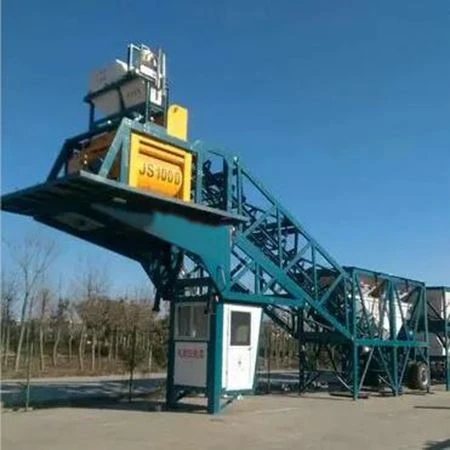
If you're interested in learning more about our Pan Mixer Batching Plant, Mini mobile concrete batching plant, or Mobile Cement Plant, please feel free to contact us for more information. We're always happy to discuss your specific needs and provide you with a customized solution.

References
- ASTM International. (2021). Standard Practice for Sampling and Testing Dry-Mix Mortars. ASTM C109/C109M-20.
- European Committee for Standardization. (2013). Mortars for masonry - Part 1: Definitions, specifications and conformity criteria for mortar. EN 998-1:2013.
- RILEM Technical Committee 276-TRM. (2019). Recommendations for the production, testing and use of dry-mix mortars. Materials and Structures, 52(6), 1-22.


