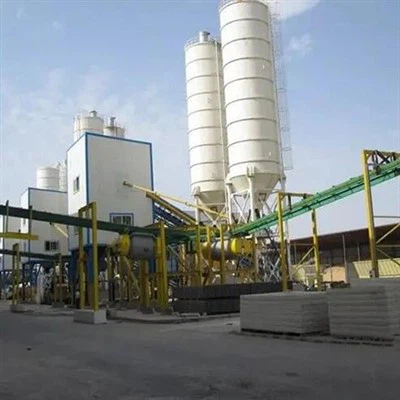
Hey there! As a supplier of cement mixing plants, I've been getting a lot of questions lately about the mixing quality index in a cement mixing plant. So, I thought I'd take some time to break it down for you and explain what it means, why it's important, and how it can impact your operations.
What Exactly is the Mixing Quality Index?
The mixing quality index in a cement mixing plant is basically a measure of how well the different components of concrete - like cement, aggregates, water, and additives - are blended together. It's not just about throwing everything into a mixer and hoping for the best. A good mixing quality index ensures that every batch of concrete you produce has a consistent composition and properties.
Think of it like baking a cake. If you don't mix the flour, sugar, eggs, and butter properly, you'll end up with a lumpy mess. The same goes for concrete. If the mixing isn't right, you could have issues like weak spots, uneven strength, and poor workability.
Why is the Mixing Quality Index So Important?
There are several reasons why the mixing quality index is crucial in a cement mixing plant.
First off, it directly affects the strength and durability of the concrete. When all the components are evenly distributed, the concrete can achieve its maximum strength potential. This is especially important for structures that need to withstand heavy loads, like bridges, high - rise buildings, and industrial floors. A low mixing quality index can lead to concrete that fails prematurely, which can be a huge safety hazard and a costly problem to fix.
Secondly, it impacts the workability of the concrete. Workability refers to how easily the concrete can be placed, compacted, and finished. Well - mixed concrete is more fluid and easier to work with, which can save time and labor on the construction site. On the other hand, poorly mixed concrete can be stiff and difficult to handle, leading to delays and a less - than - perfect finish.
Another reason is that it helps with consistency. In the construction industry, consistency is key. Every batch of concrete should have the same properties, whether it's the first batch of the day or the last. A high mixing quality index ensures that this consistency is maintained, which is essential for meeting project specifications and building codes.


Factors Affecting the Mixing Quality Index
There are several factors that can influence the mixing quality index in a cement mixing plant.
One of the most important factors is the type of mixer. There are different types of mixers available, such as twin - shaft mixers, planetary mixers, and drum mixers. Each type has its own advantages and disadvantages when it comes to mixing quality. For example, twin - shaft mixers are known for their high - intensity mixing and can achieve a very good mixing quality index in a relatively short time.
The mixing time also plays a significant role. If the mixing time is too short, the components may not be fully blended. However, if it's too long, it can lead to over - mixing, which can also affect the quality of the concrete. The optimal mixing time depends on the type of mixer, the volume of the batch, and the properties of the materials being used.
The design of the mixing plant itself is another factor. A well - designed plant will have proper feeding systems, accurate weighing equipment, and efficient mixing chambers. For instance, if the feeding system is not calibrated correctly, it can lead to an incorrect ratio of materials, which will negatively impact the mixing quality index.
Measuring the Mixing Quality Index
There are several methods to measure the mixing quality index. One common method is to take samples of the mixed concrete and perform tests to analyze its properties. For example, you can test the slump of the concrete, which is a measure of its workability. A consistent slump value across different batches indicates a good mixing quality index.
You can also conduct strength tests on the hardened concrete. By comparing the strength results of different samples, you can get an idea of how well the components were mixed. Another approach is to use imaging techniques to analyze the distribution of the aggregates in the concrete. This can provide a visual representation of the mixing quality.
Our Cement Mixing Plants and the Mixing Quality Index
At our company, we understand the importance of the mixing quality index. That's why we offer a range of high - quality cement mixing plants that are designed to achieve the best possible mixing results.
Our Concreting Plants For Transporting Concrete are equipped with advanced mixing technology. They are designed to ensure that all the components are thoroughly mixed, whether you're producing small batches for a residential project or large volumes for a commercial construction site.
Our Ready Mix Batch Plant is another great option. It's designed for efficiency and accuracy, with precise weighing systems and high - speed mixers. This helps to maintain a high mixing quality index, even when producing multiple batches in a short period of time.
If you're in the aggregate industry, our Aggregate Industries Concrete Plants are specifically tailored to your needs. They can handle different types of aggregates and ensure that they are evenly mixed with the other components of the concrete.
Conclusion
In conclusion, the mixing quality index is a critical aspect of a cement mixing plant. It affects the strength, durability, workability, and consistency of the concrete. By understanding the factors that influence it and using the right equipment, you can ensure that your concrete meets the highest standards.
If you're looking for a reliable cement mixing plant that can help you achieve a high mixing quality index, we're here to help. Whether you're a small - scale contractor or a large construction company, we have the right solution for you. Don't hesitate to get in touch with us to discuss your requirements and start a procurement negotiation. We're confident that our products will meet your needs and exceed your expectations.
References
- Neville, A. M. (1995). Properties of Concrete. Pearson Education.
- ACI Committee 211. (2009). Standard Practice for Selecting Proportions for Normal, Heavyweight, and Mass Concrete. American Concrete Institute.