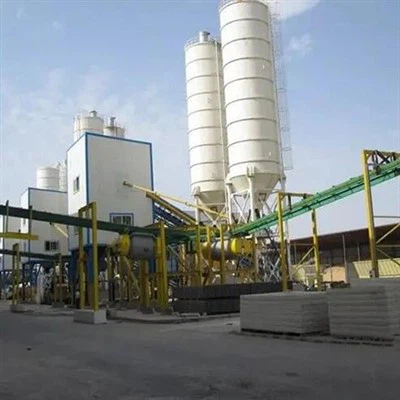
As a leading supplier in the concrete mixing plant industry, I've witnessed firsthand the challenges faced by operators when it comes to component wear. Wear is a natural consequence of the harsh operating conditions in these plants, but it can significantly impact productivity, efficiency, and ultimately, the bottom line. In this blog, I'll delve into the wear problem of components in a concrete mixing plant and share some effective strategies to reduce it.
Understanding the Wear Problem in Concrete Mixing Plants
Concrete mixing plants are complex machinery that involves various components working in tandem to produce high - quality concrete. The wear problem stems from the abrasive nature of the materials involved, such as aggregates, cement, and water, as well as the high - speed operation of the equipment.
Sources of Wear
- Abrasion: Aggregates, which are a major ingredient in concrete, are often hard and can cause significant abrasion to components during the mixing and conveying process. For example, the blades in the mixer, the belt of the conveyor, and the inner walls of the hoppers are constantly exposed to the rubbing and scraping of these hard particles.
- Erosion: The flow of concrete mixtures can lead to erosion of components. High - velocity flow of concrete slurry can wear away the surfaces of pipes, valves, and pumps over time.
- Corrosion: Cement is alkaline in nature, and when combined with water, it can create a corrosive environment. Components made of metal, such as steel frames, mixers, and storage silos, are particularly vulnerable to corrosion, which weakens the material and can lead to premature failure.
Impact on the Plant
The wear of components can have several negative impacts on a concrete mixing plant. Firstly, it reduces the efficiency of the equipment. For instance, worn - out mixer blades may not be able to mix the concrete thoroughly, resulting in inconsistent quality of the final product. Secondly, it increases maintenance costs. Frequent replacement of worn components is not only expensive but also time - consuming, which leads to downtime and loss of production.
Common Components Prone to Wear
Mixer Blades
Mixer blades are at the heart of the concrete mixing process. They are responsible for blending the aggregates, cement, and water to create a homogeneous mixture. Due to the constant contact with the abrasive concrete materials, the blades are subject to severe wear. Worn blades can lead to poor mixing performance, longer mixing times, and increased energy consumption.
Conveyor Belts
Conveyor belts are used to transport the raw materials, such as aggregates and cement, within the plant. The abrasive nature of the materials and the continuous movement of the belt cause wear on its surface. Cracks, tears, and uneven wear can occur, which may lead to material spillage and reduced conveyor efficiency.
Pumps and Valves
Pumps and valves are essential for the proper flow of concrete and other fluids in the plant. The high - pressure and abrasive nature of the concrete slurry can cause wear on the internal components of pumps and valves, such as impellers and seals. This can result in reduced flow rates, leaks, and even complete failure of the equipment.
Strategies to Reduce Component Wear
Material Selection
One of the most effective ways to reduce wear is to choose the right materials for the components. For mixer blades, materials with high hardness and wear resistance, such as high - manganese steel or carbide - tipped blades, can be used. Conveyor belts can be made of rubber compounds with enhanced abrasion resistance. For pumps and valves, stainless steel or other corrosion - resistant materials can be selected to withstand the harsh environment.


Regular Maintenance and Inspection
Regular maintenance and inspection are crucial for detecting and addressing wear issues early. This includes cleaning the components regularly to remove any built - up concrete or debris, which can accelerate wear. Inspecting the components for signs of wear, such as cracks, dents, or uneven surfaces, can help identify potential problems before they become major failures. For example, checking the tension of conveyor belts and the alignment of mixer blades can prevent premature wear.
Lubrication
Proper lubrication can reduce friction and wear between moving parts. In the case of pumps and valves, lubricating the seals and bearings can extend their lifespan. For conveyor belts, applying lubricant to the pulleys can reduce the wear on the belt surface.
Operational Optimization
Optimizing the operation of the concrete mixing plant can also reduce component wear. This includes adjusting the mixing time and speed to ensure that the concrete is mixed efficiently without over - stressing the components. Controlling the flow rate of the materials can prevent excessive wear on pumps and valves.
Our Solutions as a Concrete Mixing Plant Supplier
As a supplier of [link text="Concrete Batch Plant Equipment" url="/concrete-batching-plant/concrete-batch-plant-equipment.html"], we offer high - quality components that are designed to withstand the wear and tear of concrete production. Our [link text="Ultratech Rmc Plant" url="/concrete-batching-plant/ultratech-rmc-plant.html"] is equipped with advanced features to minimize wear. For example, the mixer blades are made of special alloys that provide excellent abrasion resistance, and the conveyor belts are engineered to have a long service life.
We also provide comprehensive after - sales services, including maintenance training and technical support. Our team of experts can help you optimize the operation of your plant and develop a maintenance schedule to ensure that your components are in good condition.
In addition, we offer [link text="Mini Batch Mix Plant" url="/concrete-batching-plant/mini-batch-mix-plant.html"] solutions that are ideal for small - scale concrete production. These plants are designed with the same focus on reducing wear and improving efficiency, making them a cost - effective option for many customers.
Conclusion
The wear problem of components in a concrete mixing plant is a significant challenge, but with the right strategies and solutions, it can be effectively managed. By understanding the sources of wear, selecting the appropriate materials, conducting regular maintenance, and optimizing the operation of the plant, operators can reduce component wear, improve productivity, and extend the lifespan of their equipment.
As a reliable supplier in the concrete mixing plant industry, we are committed to providing high - quality products and services that help our customers overcome the wear problem. If you are interested in learning more about our solutions or have any questions regarding wear reduction in your concrete mixing plant, we encourage you to contact us to initiate a procurement discussion. We are here to help you find the best solutions for your specific needs.
References
- Smith, J. (2018). Wear Mechanisms in Industrial Concrete Mixing Facilities. Journal of Construction Equipment Management, 25(3), 123 - 135.
- Brown, A. (2020). Strategies for Reducing Component Wear in Concrete Production. International Journal of Concrete Technology, 30(2), 45 - 58.
- Green, C. (2019). Maintenance Best Practices for Concrete Mixing Plant Components. Proceedings of the Annual Concrete Industry Conference, 2019, 78 - 85.