Special Solutions

productcate-680-485


Jinheng Machinery: Your Premier Special Solutions Manufacturer

Our company was established in 1998, and we have been committed to the concrete mixing station and concrete mixer industry. Finally, we have 15 years of OEM concrete mixing plant experience.

Company Advantages

Many Devices

We have sandblasting machines, laser CNC machine tools, drilling machines, automatic welding robots, electronic CNC rolling machines, and other machining equipment.

High-Quality Supporting Suppliers

Our company has BHS, SICOMA, WAM, Siemens, Schneider, Toledo, Airtac, ABB and other suppliers.

Rich Experience

We have 15 years of experience in OEM concrete mixing plants. Strict quality control and refined cost control have resulted in high-quality, low-priced concrete production lines.

Many Production Lines

We have designed more than 20 concrete production lines, including new generation concrete mixing plants, mixing plants, and precast concrete mixing plants.

First 12 Last 1/2
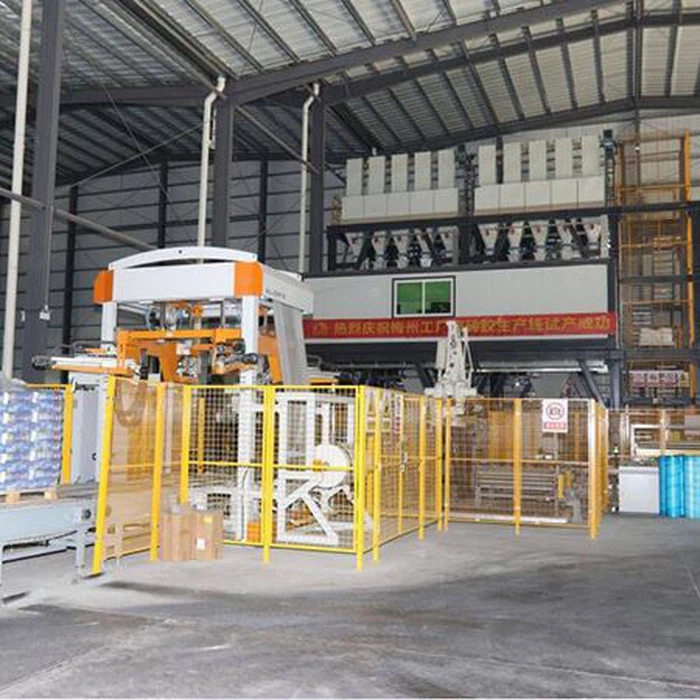
Ceramic Tile Adhesive Production Line

Introduction to Special Solutions


The mortar production line is one of the core equipment in the mortar production process, and its production efficiency and quality directly affect the effectiveness and economic benefits of the entire mortar production.

Mortar Mixer

The mortar mixer is one of the core equipment of the production line. Its main function is to mix sand, water, glue, and other raw materials in a certain proportion, and perform operations such as stirring and grinding to make the raw materials reach a certain degree of uniformity and fluidity.


Conveyor

The conveyor is an important part of the mortar production line. Its main function is to transport the mixed mortar to the packaging machine or storage tank to complete the automatic delivery process. Conveyors are usually divided into screw conveyors, belt conveyors, pneumatic conveyors, and other types.


Packing Machine

The packaging machine is one of the important components of the mortar production line. Its main function is to automatically package and seal the mortar delivered to the packaging machine and to measure and mark it to realize the automatic packaging process. Packaging machines are generally divided into three types: manual, semi-automatic, and fully automatic.

Control System

The control system is one of the essential components of the mortar production line. Its main function is to automatically control and monitor the entire production process, to realize the intelligence and automation of mortar production, and to record, analyze and manage data during the production process.


Common Types of Special Solutions


Concrete Spraying Truck

A truck equipped with a concrete mixer is also known as a transmixer. In underground mining, due to the small-section galleries and harsh conditions of the terrain, low-profile truck mixers with compact dimensions and powerful engines are used, which allow good maneuverability and mobility. The truck mixer’s role in underground mining is to transport the shotcrete mix to the spraying area. The need for equipment quantities varies depending on the traveling distances and logistics of the mine. 

Advantages
Hydraulic Splitting Rod

Improved Efficiency and Productivity

One of the most significant advantages of using a concrete mixer truck is improved efficiency and productivity. With a mixer truck on site, you can save time and effort by eliminating the need for manual mixing methods. The truck can mix large amounts of concrete in a single load, which means you can get the job done quicker and move on to the next project faster. This can help you complete more projects in less time, increasing your overall productivity and profitability.
Construction Waste Brick Production Line

Consistent Concrete Quality

Another major advantage of using a concrete mixer truck is that it helps ensure consistent concrete quality. The mixer blades inside the drum rotate at a set speed, which ensures that all of the ingredients are evenly mixed. This means you'll get a consistent batch of concrete every time, which is essential when working on a large construction project where quality is vital. Consistent concrete quality can also help you avoid costly mistakes and rework, saving you time and money in the long run.

Mobile Asphalt Mix Plant

Reduced Labor Costs

Using a concrete mixer truck can also help reduce labor costs. By eliminating the need for manual mixing and transporting the concrete, your crew can focus on other tasks, allowing you to get more done with the same number of workers. This can lead to cost savings and increased profitability for your business. Additionally, the use of a concrete mixer truck can help reduce the risk of worker injuries, which can result in costly medical bills and lost productivity.
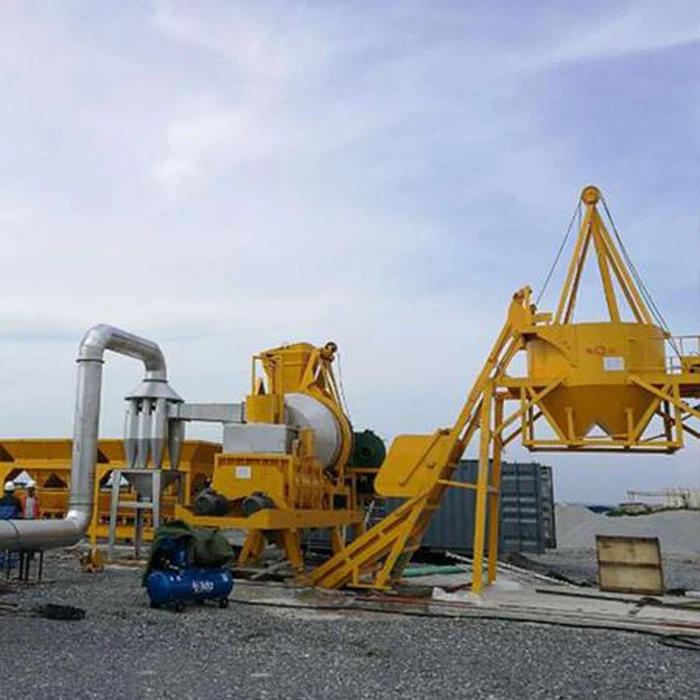
Continuous Asphalt Mixing Plant

Enhanced Jobsite Safety

Concrete mixer trucks also offer enhanced jobsite safety. With the concrete being mixed and transported in a single vehicle, there's less risk of accidents or injuries that can occur when manually transporting the material. Additionally, a concrete mixer truck helps limit the amount of dust and debris on the job site, which can lead to a safer and more comfortable work environment. The use of a mixer truck can also help reduce noise pollution, which can be a concern in residential areas.

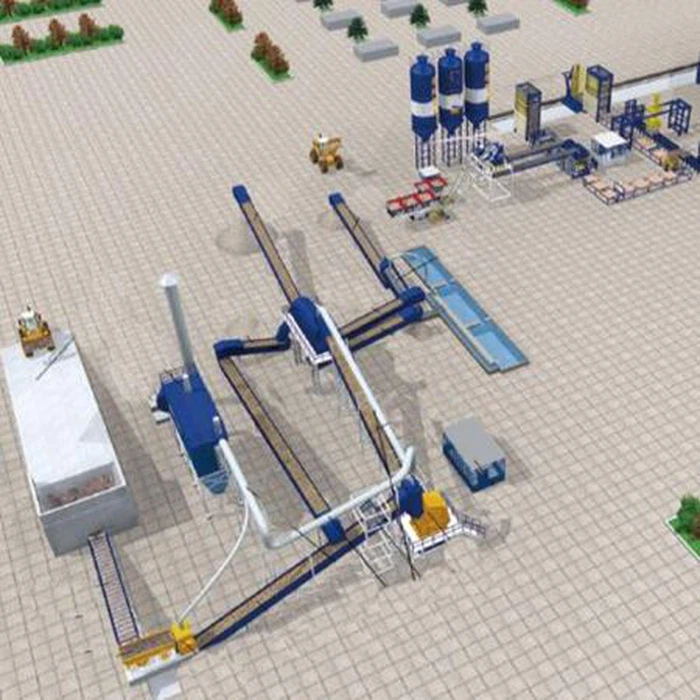
Construction Waste Brick Production Line


Construction waste brick making production line recycles waste building materials to produce various raw and auxiliary building materials after process treatment, such as gravel, sand, rock ballast, powder and so on. These raw and auxiliary building materials can be used for the reconstruction of buildings or the production of various building materials. They can reduce the impact on the environment due to the accumulation of waste and garbage. Meanwhile, the situation of taking stones from mountains and sand from rivers for raw materials due to construction needs can be reduced. 

Advantages
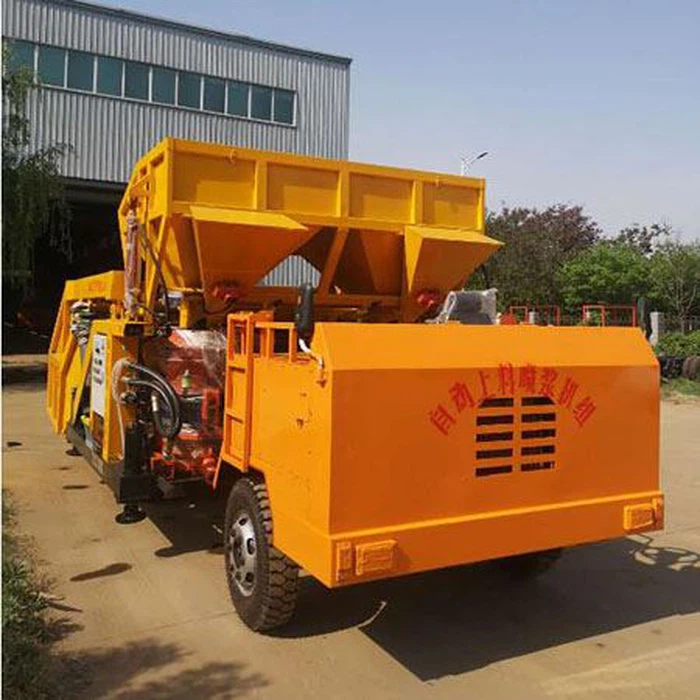


Concrete Spraying Truck

Energy Efficient

Using recycled materials in your project either entirely or partly will greatly reduce its energy consumption. This is because the energy required to process reclaimed materials is far lower than that which is needed to harvest or manufacture new ones.
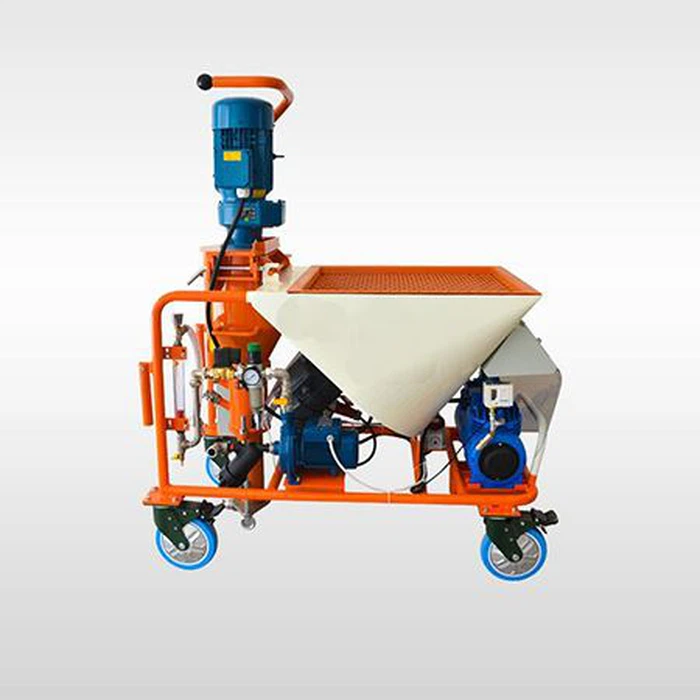
Fully Automatic Mortar Spraying Machine

Reduces Emissions

If your project is using less energy, it will naturally be emitting fewer greenhouse gases. In fact, it is estimated that 11% of global carbon emissions come from construction (source).
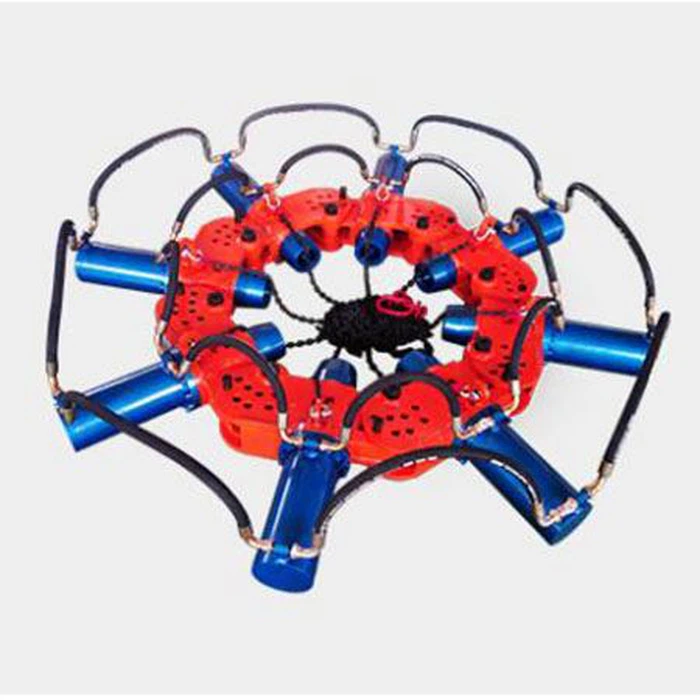
Hydraulic Pile Breaking Machine

Cost Effective

We have already discussed how reduced landfill use necessarily means reduced landfill tax. But, did you know, recycled building materials actually tend to be cheaper to purchase too.
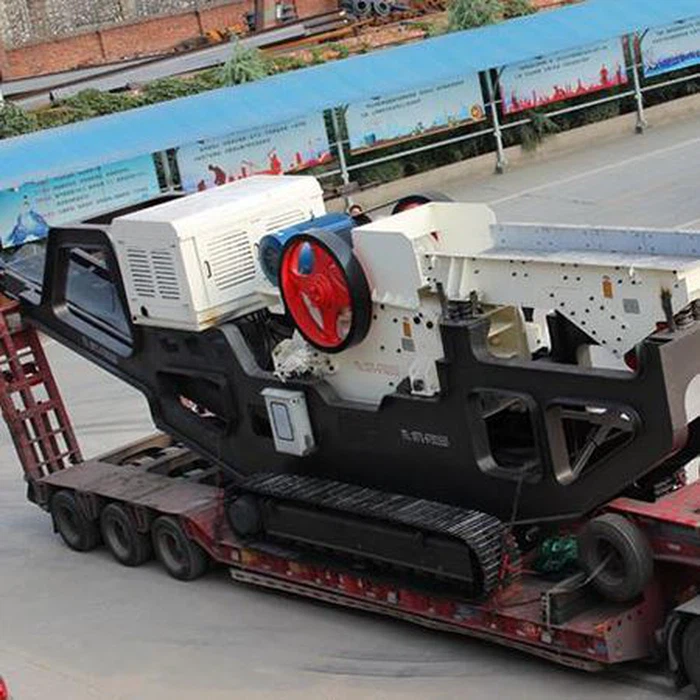
Tracked Jaw Crusher

High Performing

Recycled aggregates and other materials can be just as durable as their non-recyclable counterparts. That means making an eco-friendly, cost effective choice doesn’t have to come with a sacrifice of quality or integrity.

Mortar Spraying Machine


Concrete sprayers, also known as concrete pumps, are powerful tools that revolutionize the process of concrete placement. These machines allow for efficient and accurate distribution of concrete, making them indispensable in various construction projects. Whether you're working on a residential foundation, a commercial building, or an infrastructure project, mastering the use of concrete sprayers is essential for achieving smooth, precise, and timely concrete placement. 

 
Advantages


Time Efficiency

Mortar spraying machines significantly reduce application time compared to traditional manual methods. The automated spraying process covers large areas quickly, expediting project timelines.

 
Uniform Application

These machines ensure a consistent and uniform application of mortar on surfaces, eliminating the variations often associated with manual application. This consistency enhances the overall quality of the finished product.

 
Reduced Labor Costs

Automation reduces the need for a large workforce, leading to substantial savings in labor costs. Fewer personnel are required to operate the machine, allowing for reallocation of resources to other aspects of the project.

 
Versatility

Mortar spraying machines are versatile and suitable for various applications, including rendering, plastering, and coating. They can adapt to different mortar mixtures and are effective on diverse surfaces.

 
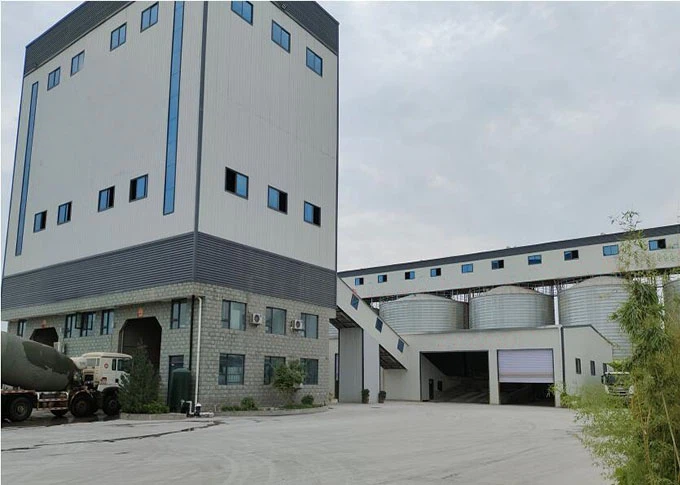
RMC Plant


The ready mix concrete plant is used to manufacture ready-mix concrete which is used in all construction projects. RMC (ready mix concrete) commonly refers to concrete that is freshly pre-mixed and delivered in the unhardened state which can form any shape. It is prepared by mixing cement, gravel, crushed stone, sand, water, etc., which depends on the type of the construction project. After the preparation of ready mix concrete, it is then delivered to the construction site through a truck or transit mixer which is capable of mixing the ingredients of the concrete while traveling. 

Advantages
 

Quality and Consistency

Assured quality as standardized methods are used at an RMC plant. Variables such as compressive strength, ingredients proportions, water-cement ratio, workability, and slump can be controlled and molded as per the requirement of the project. Strict quality control and process parameters have significantly increased the pace and the quality standards of today’s structures, unlike the old times.


Efficiency and Speed

The traditional method of mixing concrete involved a lot of labor and a longer duration for the completion of projects. However, most of the process of making RMC is machine operated. With the advent of technology, the construction industry is moving towards reduced manual labor and higher efficiency. Currently, concreting can be done at a rate of 45-60 cubic meters in concrete plants compared to 15-20 cubic meters per hour previously done conventionally.


High Versatility

RMC has repeatedly proved to be a versatile construction material. It is manufactured to ensure functionality in a variety of demanding environments including indoor or outdoor, exposed or concealed, dry or wet locations. This tailor-made procedure is versatile as per the methods used by the site contractor, from its use to the method of placing it.


Reduced Wastage

Ready mix concrete makes use of bulk cement instead of bags of cement, thereby saving cement and reducing the dust caused. Cement saving also conserves energy and resources. Better handling and a proper mixing practice reduces the consumption of cement by 66%. Additionally, it reduces the storage space for the basic materials at the construction site. Hence, overall RMC assists in avoiding wastage of raw materials related to the construction process.


Environmental Friendly

In the modern world, conserving our environment has become a top priority. Creating the right concrete mix on-site involves emitting a lot of dust and risk. It not only reduces dust pollution caused by making the mixture on site but also prevents noise pollution. Petrol and diesel consumed is less thus noise and air pollution are reduced, hence minimal impact on environment.


Optimizes Lifestyle Cost

RMC is more durable and increases the service life and saves repair costs. With the guarantee of structural durability, and reliable strength, it is promising for all construction projects, housing as well as commercial. With no demand for storing the raw materials, no equipment to hire, no depreciation of costs; such customized features of RMC make it a favorable option over site mixed concrete, in most cases.


Maintenance Tips for Special Solutions


Concrete Spraying Truck

Hydraulic oil is a working medium that requires a high degree of cleanliness. The upper cover

1

The maintenance method of the concrete pump truck should be in accordance with the corresponding requirements and methods in the maintenance manual. During daily use, check the relevant items of the pump truck before and after use.

2

According to the corresponding requirements and methods in the operation and maintenance manual, refer to the lubrication table, and timely and adequately lubricate each part of the pump truck.


3

According to the corresponding requirements and methods in the operation and maintenance manual, select the specified type of hydraulic oil, and regularly replace the hydraulic system oil.


4

According to the maintenance methods and requirements of the concrete pump truck in the user manual, regularly check the water tank, concrete cylinder and concrete delivery pipe of the pumping system.


5

In accordance with the corresponding requirements and methods in the operation and maintenance manual, regularly check and adjust the torque of the fixing bolt of the rotating base of the boom.


6

In accordance with the maintenance method of the concrete pump truck in the user manual, regularly check and adjust the components of the boom, rotating base, legs, support structure, reducer and so on.


7

According to the corresponding requirements and methods in the maintenance manual, regularly check the working status of the hydraulic system and components, electrical system and components.


8

For cold weather, concrete pump truck maintenance methods should be adopted.

Construction Waste Brick Production Line

Check whether the injector hole in the air ring sleeve is blocked before each startup, and clean the concrete residue in each small hole.

The equipment has seven grease nipples, which must be filled with butter before each operation of the equipment.

The water tank of the pump cylinder needs to be filled with water before starting the machine.

Always observe the hydraulic oil level, and pay attention to ensure the cooling of the hydraulic oil when working.

RMC Plant


Cleanliness

The plant should be kept clean at all times to improve its lifespan. The mixer should be cleaned every day by running it with stones and water. The weighing unit should be cleaned regularly to maintain correct calibration.


Safety Measures

Batching plant safety checklist should be followed diligently ensuring the safety of the workers as well as the machinery. This checklist includes the following.

★ Every worker should wear protective gear all the time during operation hours. These include safety helmets, aprons, and gloves among others.

★ Ladders, stairs, and upper floor levels should have mandatory handrails installed.

★ Batching plant should necessarily have emergency shutdown switches and safety disconnects on turn head motors and conveyor.

★ Only permitted personnel to be provided access to manholes of cement and aggregate compartments.

★ Regular inspection of electrical wiring or any other dangerous or inflammable installations.

★ Before starting the maintenance of the concrete mixer the operator should cut off the power supply and lock the power distribution cabinet. A warning sign should be placed on the operation console before the maintenance starts.

★ Before starting the maintenance of the belt conveyor system, cut the power supply, lock the power distribution cabinet with keys in proper custody. This is the job of two people and never be done by a single worker alone.

★ Working on upper levels should always be done with a belt and a fastener. Welding equipment should not be dissembled and a welder should wear protective gear and glasses while performing his work.

★ During repair and maintenance of vehicles and loaders of the plant, lay the wheel rafters. Also, take suitable measures to prevent the jacks from collapsing and vehicles from slipping.


Overmixing Control

★ The ingredients required for manufacturing concrete should be mixed and discharged to the mixing compartment at optimum speed.

★ Check and lubricate the conveyor belts carrying ingredients or mix regularly.

★ Avoid stopping the batching plant while mixing and discharging the mix.

★ Update and check the batching software periodically if used.


Transportation Control

Transportation should always be on time to receive the product or concrete mix. Delivery at the right time is necessary. Mix trucks should be properly serviced and function well for mixed transport. The delay has adverse effects on the mix.


Ultimate FAQ Guide to Special Solutions
 

Q: What does a concrete sprayer do?

A: Concrete sprayers are machines designed to transport and distribute concrete from a source to the desired location.

Q: What are RMC plants?

A: The ready mix concrete plant is used to manufacture ready-mix concrete which is used in all construction projects. The ready-mix concrete, also known as RMC, is a mixture of cement, water, sand, and aggregates. It is manufactured in a batching plant as per the required specifications of a construction project.

Q: How heavy is a fully loaded concrete truck?

A: A concrete truck with 10 cubic yards will weigh upwards of 66,000 lbs. or 33 ton.

Q: How far can a concrete truck reach without a pump?

A: Most ready mix trucks carry three to four chutes that, when attached, can reach a horizontal distance of about 20 feet from the tires to the point of discharge. If you can position the truck within 20 feet of the point of deposit, then concrete can usually be placed directly from the truck.

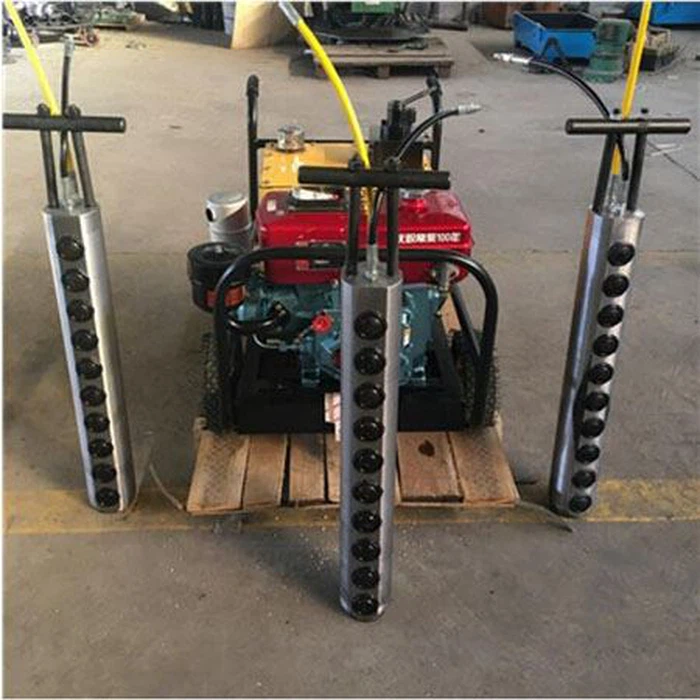
Q: What is a hydraulic pile breaker?

A: The hydraulic pile breaker is an advanced, efficient, and time-saving system for trimming concrete outcrops and foundation piles. The pile breaker produces a perfect horizontal pile cutting finish, it doesn't damage the reinforcement or leave cracks below the cut-off level.

Q: How does a hydraulic breaker work?

A: Breakers are driven by a hydraulic piston that exerts pressure on the head of the attachment to provide a powerful and consistent thrust into the obstruction. In simplest terms, it's just a really really big jackhammer.

Q: What is adhesive material for tiling?

A: One type of adhesive material is thin-set. It is made from a mixture of cement, water, and fine sand.

Q: What is the process of dry mortar production?

A: The whole process of dry-mixed mortar mainly involves 5 systems: raw material pretreatment system, metering central control system, mixing system, packaging system, and dust collection system.

Q: What are the advantages of using ready-mixed concrete over site-mixed concrete?

A: The ready mixed concrete does not need to be stored on site, either, so storage costs are totally eliminated. Less labour is required as there is no on-site mixing needed, and the casting of the concrete does not need as much manpower.

Q: What is the difference between site mix and ready mix concrete?

A: As the concrete is available readily, Ready-Mix concrete requires skilled labor only to pour and compact the concrete, which does not require more workers. Whereas. Site-mixed concrete needs more workforce as it has to be prepared at the project site itself.

Q: How is ready mix concrete made?

A: Water and cement are formed into a paste, which is then used to coat and bind together the aggregates (including rocks and sand) – this creates the mass that is known as concrete. These proportions will need to be perfectly balanced to achieve a durable product that still has the right amount of workability. Generally, the cement will be batch created in a plant before being mixed in transit to the site.

Q: How do I prepare for working with ready mix concrete?

A: Even though ready mix concrete is pre-prepared on your behalf, it’s still important to prepare your site for its arrival. Ensure there is a place for it to be stored before the project commences. Also make sure you have all the necessary tools and safety clothing needed to work with ready mix concrete, helping you use the concrete with professionalism and in an entirely safe manner.

Q: What types of RMC are there?

A: There are three types of Ready Mixed Concrete (RMC) based on the mix of different ingredients as given below:
Transit mixed concrete:
In transit mix concrete, all of the raw materials like cement, fine aggregate, coarse aggregate, admixture and water are loaded directly into the truck and mixed. No batching plant mixer is involved.
Shrink mixed concrete:
Shrink mix concrete is partially mixed in a central mixer or a batching plant and then charged into a truck mixer, where the mixing is completed.
Central mixed concrete:
It is also called as Central Batching Plant where concrete is mixed thoroughly before loading in truck mixer. The main advantages of central mixing truck mixers include faster batching and less wear of the drum. However, a central mix plant can be more expensive to purchase and maintain than a transit mix plant.

Q: What are the components of the RMC plant?

A: A concrete plant can have a variety of parts and accessories, including mixers (either tilt drum or horizontal, or in some cases both), cement batchers, aggregate batchers, conveyors, radial stackers, aggregate bins, cement bins, heaters, chillers, cement silos, batch plant controls, and dust collectors.

Q: What is the material of the RMC plant?

A: The raw materials required for the preparation of RMC are coarse aggregate, fine aggregate (river sand/ m-sand), Cement/fly ash, and Water. The coarse aggregate is normally granite stone jelly of various sizes (6 mm to 50 mm) and the fine aggregate is river sand/ m-sand and quarry dust.

Q: What is the maximum capacity of the RMC plant?

A: Available in various capacities 30 cubic meter to 60 cubic meter per hour of compacted concrete output.

Q: What is a concrete batching plant?

A: A concrete plant, also known as a batch plant or batching plant or a concrete batching plant, is equipment that combines various ingredients to form concrete. Some of these inputs include water, air, admixtures, sand, aggregate (rocks, gravel, etc.), fly ash, silica fume, slag, and cement.

Q: What is the difference between ready-mix concrete and batching plant?

A: Site batch mixing is actually more time-consuming because there are many steps and formulas to use setting the concrete. On the other hand, Ready mix concrete will be delivered to you ready to use. This means that you can have the concrete mix right when you need it.

Q: What are the main components of concrete batching plant?

A: According to the production process and system function, the concrete batching plant can usually be divided into several main systems: material storage system, material weighing system, material conveying system, mixing system, control system, pneumatic system, dust removal system, etc.

Q: What are the two methods of batching concrete?

A: Volume batching and weigh batching are the two most used methods for concrete batching. The batching method chosen is entirely dependent on the required criteria and the job's size.

Q: How do large enterprises choose dry mortar mix plants?

A: Large enterprises with sufficient budgets can choose a fully automatic dry mortar mixing plant. At present, the large-scale dry mortar manufacturing plants on the market all adopt the layout of the tower structure, which saves area and facilitates management. The automatic dry mix mortar manufacturing plant comprises a feeding elevator, double-shaft dry mortar mixer, finished product bin, valve bag filling machine, computerized measuring, electric control cabinet, and working platform. At the upper end of the main mixer, a pre-mixed bin can be installed to improve the working efficiency of the main machine. It has a fully automated operation system, which saves staffing to the greatest extent, and the output per hour is about 10-15 tons.

Q: How to choose a dry mix mortar manufacturing plant if you want to increase output?

A: After a production period, if you have your customers and channels and want to increase the output, how to choose a dry mix mortar plant? Engineers will add or modify the equipment according to your existing equipment to meet the requirements of large output. Still, it is worth noting that the dry mortar production line you already have must be a twin-shaft mixer machine, not a ribbon mixer. Based on the double-shaft mixer, adding ingredients in the upper warehouse, a weighing system, and improving the conveying system can significantly increase your output.

Q: How does dry mortar plant work?

A: In brief, the main function of the mortar machine is to mix dried sand and other additives like cement, fly ash in a certain proportion and finally make masonry mortar, surface mortar, and floor mortar. During the mixing process, under the movement of the spiral belt of the mixing shaft, the inner and outer spiral belts turn the raw materials in a larger range. The inner spiral belt moves the material to both sides, and the outer spiral belt moves the material inward from both sides to mix the material back and forth. The other part of the material is driven by the spiral belt to move in the axial and radial directions, thus forming a convection circulation. This kind of mixing makes the materials get fast and uniform mixing in a short time. The finished product mixed in the dry powder mixer is quickly discharged by pneumatic quick opening and put into the finished product silo for buffering and storage. There is a flexible connection between the finished product silo and the packaging machine, and the packaging machine completes the measurement and packaging. For users with relatively large output, a belt conveyor can be added to directly transport the packaged finished product to the finished product area or truck.

Q: How to select a ready-mix concrete plant for construction?

A: Determine Your Project Requirements
Before searching for a concrete plant, assess your project requirements. Consider factors such as the project size, timeline, and specific concrete mix designs needed. Some projects may require specialty mixes or certain performance characteristics, so understanding your needs will help you narrow down your options.
Evaluate Plant Location
Proximity plays a crucial role in determining the suitability of an RMC batching plant. Look for a plant that is conveniently located near your construction site. Transporting concrete over long distances can lead to delays, increased costs, and potential quality issues. A nearby plant will ensure timely delivery and reduce logistical challenges.
Assess Production Capacity
The production capacity of the concrete plant should align with the demands of your project. Consider the volume of concrete required daily or weekly and ensure that the plant can meet your production needs. Avoid choosing a plant that may struggle to keep up with your project's pace, as it can lead to delays and hinder progress.
Quality Control Measures
High-quality concrete is crucial for the structural integrity and durability of your project. Inquire about the plant's quality control measures. A reputable concrete plant should have rigorous testing procedures in place to ensure consistency, strength, and adherence to specifications. Ask about their testing protocols, certifications, and compliance with industry standards.
Equipment and Technology
Evaluate the plant's equipment and technology. Modern plants equipped with advanced batching systems and computer-controlled operations tend to offer more accurate and efficient concrete production. State-of-the-art equipment can ensure consistent mix proportions, reduce wastage, and improve overall quality.
Environmental Considerations
Sustainable construction practices are gaining prominence. Consider the environmental impact of the RMC plant you choose. Look for plants that prioritize recycling and minimize waste generation. Ask about their water and energy conservation practices, as well as their efforts to reduce carbon emissions.

Q: What’s in ready mix concrete?

A: RMC is a mixture of cement, water, and aggregates. Cement, the most important element of the mix, is the ingredient that lends concrete its resistance. Water is the vital fluid of the mix. It sets off a chemical reaction when it comes in contact with the cement. Aggregates, which make up the most abundant part of the mix—roughly 60 to 70 percent of the volume—are sand, gravel, and crushed stones obtained from quarries or aggregate banks. Lastly, solid or liquid additives are introduced to ready mix concrete before or during preparation. These increase concrete’s durability or shorten its setting time. All of these ingredients are procured individually, then mixed in specific proportions as dictated by the needs of the job. During the mixing phase, the components are brought together into a uniform concrete mass. Care is taken to precisely measure the mixing time, which begins the moment the water and other material are poured into the cement mixer and the mixer begins rotating. While it’s on the way to a site, the mixer never stops rotating, and it goes at a speed of two to six rotations per minute. Because of its ability to be mixed precisely off-site to exact specifications by specialized equipment, ready mix concrete remains the most popular form of concrete.

Q: What are the different categories of ready mix concrete plants?

A: There are primarily three categories of ready-mix concrete plants: Shrink concrete mix plants, Central mix concrete, and transit mix concrete plants. Central mix concrete is made at a concrete plant manufacturing unit. Whereas shrink-mix concrete plants are partially ready-mix concrete plants that shrink their volume as needed. The mixing process is carried out inside the rotating drum of the mixer.

Q: How to start a batching plant/ RMC plant?

A: First Step
The first step in starting a batching plant is to obtain the necessary permits from the local government. Once the permits are obtained, the next step is to purchase the land. The land should be large enough to accommodate the batching plant, the office, and the storage area. After the land is purchased, the next step is to purchase the equipment. The type of equipment needed will depend on the type of batching plant being used.
Second Step
Once the equipment is purchased, the next step is to build the office and storage area. The office should be large enough to accommodate the office staff and the storage area should be large enough to accommodate the equipment and materials. After the office and storage area are built, the next step is to install the batching plant. The batching plant should be installed near the office and storage area.
Final Step
After the batching plant is installed, the final step is to test the equipment. The equipment should be tested to ensure that it is working properly. After the equipment is tested, the next step is to train the staff. The staff should be trained in how to operate the equipment and how to mix the ingredients. After the staff is trained, the batching plant is ready to start production.

Q: What is the material delivery system of the RMC factory?

A: This product is comprised of multiple modules depending upon the configuration of your plant. To move the powdered ingredients, a screw conveyor system is used. Large concrete mixing plants have pneumatic conveying systems. For aggregate delivery, belt transporting systems and hopper delivery systems can be found. Plants with hopper aggregate delivery systems have a smaller footprint and therefore are thus more regularly seen in mobile concrete batch plants. In contrast, belt aggregate transportation systems have the advantage of higher efficiency, long transportable distances, and lower fault rates. The benefits of concrete batch plants with auger delivery systems are that the systems have a simple structure, increased operational safety, and reduced costs. Water and liquid additives are generally transported using pumps.
We're well-known as one of the leading special solutions manufacturers and suppliers in China. We warmly welcome you to buy cost-efficient special solutions for sale here from our factory. For price consultation, contact us.hzs150, , cement ceramsite lightweight wallboard production line

whatsapp

Phone

E-mail

Inquiry