


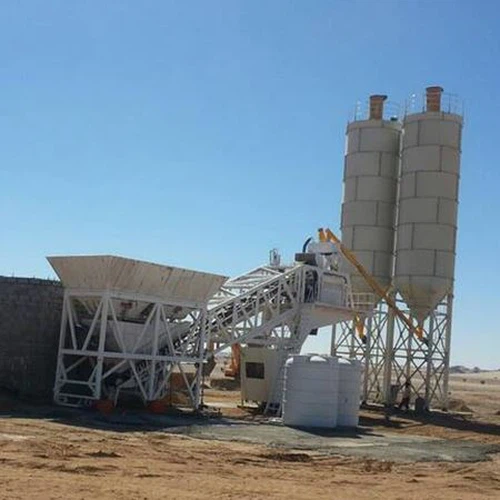
Cement production equipment
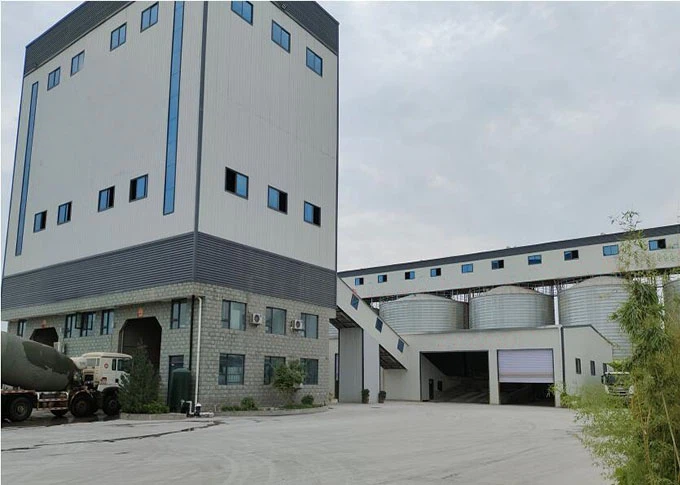
Our company was established in 1998, and we have been committed to the concrete mixing station and concrete mixer industry. Finally, we have 15 years of OEM concrete mixing plant experience.
Company Advantages
Many Devices
We have sandblasting machines, laser CNC machine tools, drilling machines, automatic welding robots, electronic CNC rolling machines, and other machining equipment.
High-Quality Supporting Suppliers
Our company has BHS, SICOMA, WAM, Siemens, Schneider, Toledo, Airtac, ABB and other suppliers.
Rich Experience
We have 15 years of experience in OEM concrete mixing plants. Strict quality control and refined cost control have resulted in high-quality, low-priced concrete production lines.
Many Production Lines
We have designed more than 20 concrete production lines, including new generation concrete mixing plants, mixing plants, and precast concrete mixing plants.


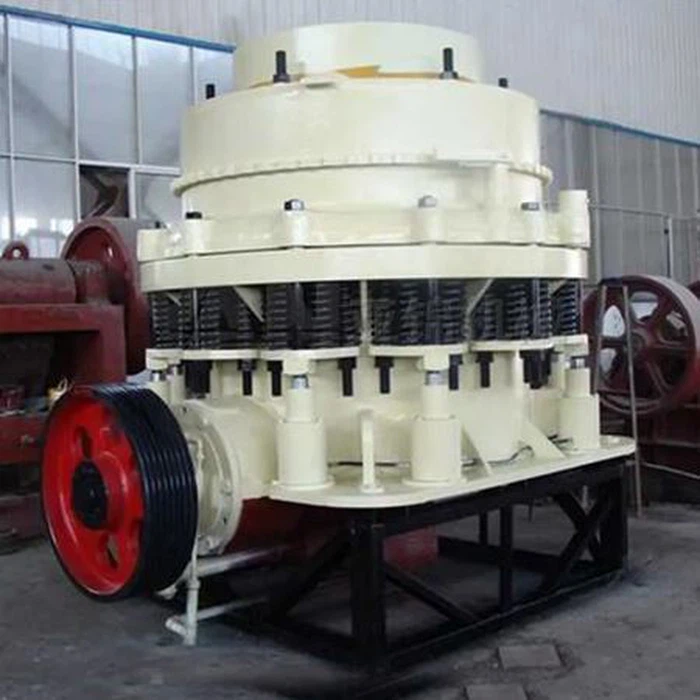
Introduction to Crushing Machine
Crushers may be used to reduce the size, or change the form, of waste materials so they can be more easily disposed of or recycled, or to reduce the size of a solid mix of raw materials (as in rock ore), so that pieces of different composition can be differentiated. They are often utilized in aggregate production, construction material recycling, and mining operations.
Common Types of Crushers
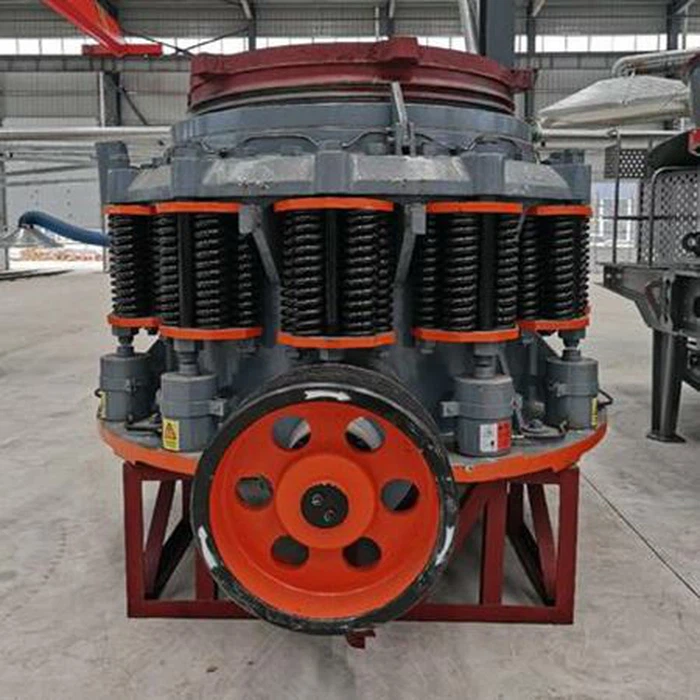
Jaw Crushers
Large amounts of material are fed into the “V-shaped” jaw of this crusher and are reduced using compressive force. One side of the V remains stationary while the other side of the V swings against it. The material is forced from the wide opening of the V to the narrowest point of the V creating a crushing motion. Jaw crushers are large-scale, heavy-duty machinery typically constructed with cast iron and/or steel. Often considered a basic machine, jaw crushers have their place in the industry. They are often used to reduce rock into non-uniformed gravel. To find out more about primary jaw crusher check out our blog.
Gyratory Crushers
Run of mine material is transferred into a gyratory crusher’s upper-level hopper. The walls of the gyratory crusher’s hopper are lined with “V-shaped” pieces, the mantle and the concave, like a jaw crusher but shaped like a cone. The ore is discharged through the smaller bottom output hole of the cone. While the cone does not move, an interior crushing movement is created by a revolving shaft on a vertical rod. Continuous action is created making it faster than the jaw crusher with less power usage. Often smaller and more expensive than a jaw crusher, gyratory crushers are suitable for larger amounts of materials when a more uniform shape is desired.
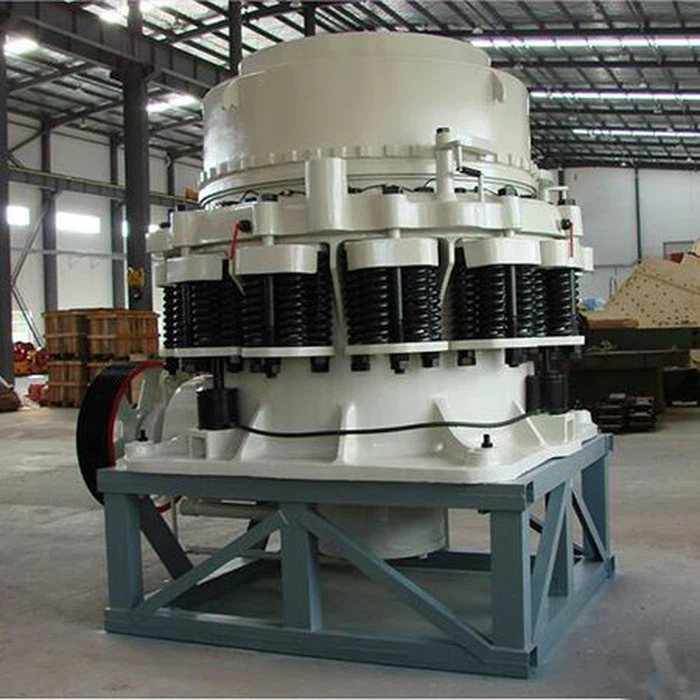
Cone Crushers
Cone crushers are one of the main choices for secondary crushing. A cone crusher is a powerful machine that is used in large-scale industries for crushing various types of materials into smaller sizes. It works by applying pressure onto the material and squeezing it against a rotating mantle to create compression and force. The crushed material is first broken down at the top of the cone where they then fall down into a lower part of the cone that is more narrow. At this point the cone crusher crushes the material again into an even smaller size. This continues until the material is small enough to fall out of the bottom opening. Material from a cone crusher can be used for lots of different projects including road base on construction projects, asphalt pavement resurfacing, or in gravel pits for road construction. Cone crushers are suitable for medium-hard and hard materials - like virgin rock from quarries.
Roller Crushers
A roller crusher reduces material by compressing it between two turning cylinders, parallel to each other. The cylinders are mounted horizontally with one resting on strong springs and the other framed permanently. Material is then fed between the two. Changing the distance between the rollers allows you to control the desired material output size. Each cylinder is easily adjusted and lined with manganese for maximum long-term wear. Roller crushers typically deliver fine material output and are not suitable for hard or abrasive materials.
Benefits of Crushers
Increased Efficiency and Productivity
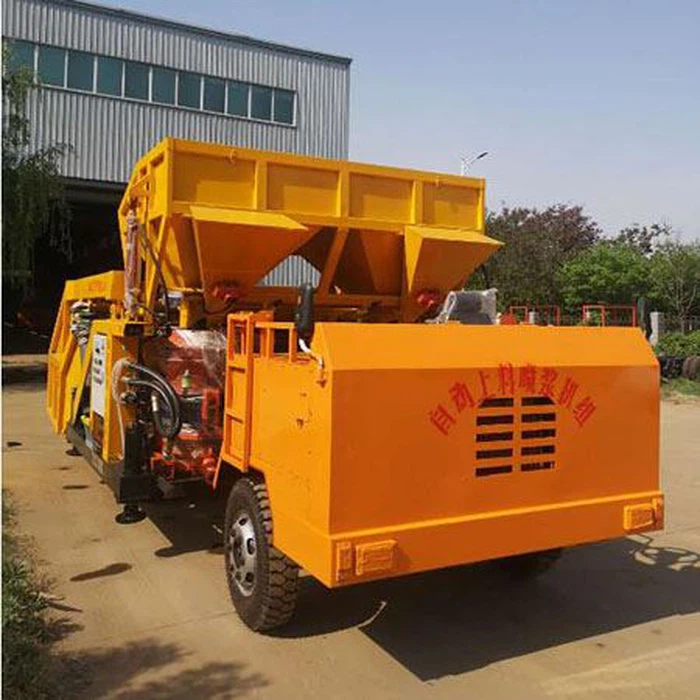
When you use a rock crusher, you can crush large rocks into smaller pieces quickly and easily. This allows you to get more work done in less time, increasing your overall efficiency. In addition, if you choose the proper equipment, you will be able to complete the aggregate production process much more quickly and cost-efficiently.
Reduced Labor Costs
With the proper rock crusher for your project’s needs, you can get projects done with more speed. Be sure to understand the unique needs of your project and obtain the machinery that is best suited for the job to keep labor costs down.
Improved Product Quality
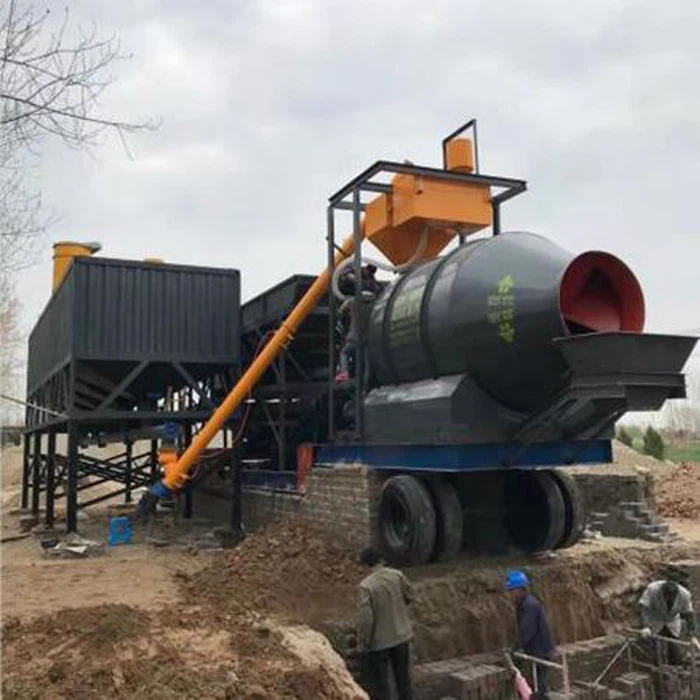
By crushing rocks into smaller pieces, you create a more uniform product that meets your exact specifications. This improves the quality of your product and helps you stand out from the competition. Certain types of rock crushers are better at handling this type of task than others.
Increased Production Capacity
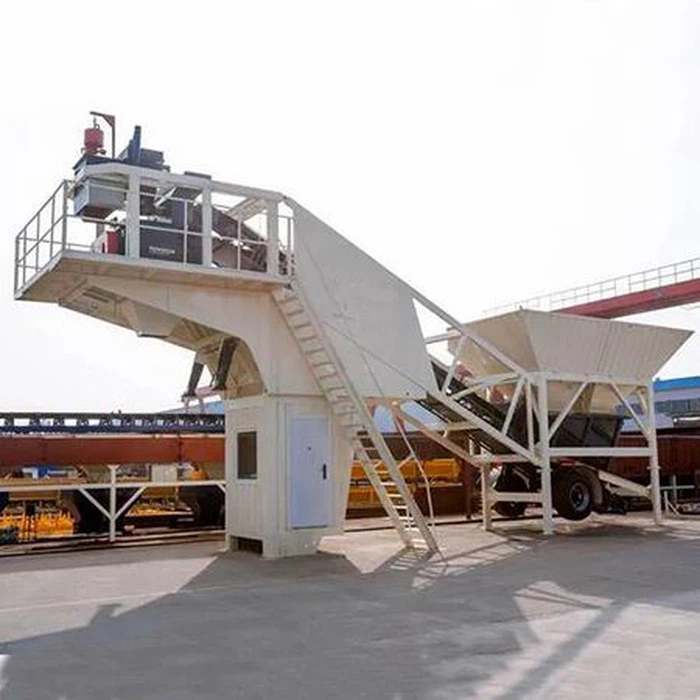
The production capacity of your business will increase when you use rock-crushing equipment. This is because the equipment will enable you to handle more rock volume quickly, which means that you can produce more in a shorter amount of time.
Application of Crushing Machines in Concrete
Concrete crusher in a quarry with multiple conveyor belts used to place materials in transportation vehicles Concrete crushers are heavy-duty machines that can be used for recycling old concrete into new, usable concrete. By using a concrete crusher, you can recycle old concrete into aggregate for use in new concrete projects. Additionally, using recycled concrete can help reduce the amount of waste sent to landfills and improve any project’s environmental footprint.
The main use of concrete crushers is to reduce bigger chunks of aggregate materials into more workable blends of materials. Concrete crushers can do this in a variety of different ways. Depending on the unique details of your project, you may need to opt for a certain type of crusher based on the specifics of your project deliverables.
Reducing the size of construction debris is important for a few reasons. First, smaller debris is easier and safer to handle, which can lead to less time and money spent on labor. Second, smaller debris takes up less space, which can be important when trying to fit a demolition project into a tight area, timeline or budget. Finally, smaller debris is easier and quicker to recycle, which can help divert waste from landfills.
Concrete crushers are often used for pulverizing large pieces of concrete into gravel or sand. This is often done at quarries, where there is a need to break down the large pieces of concrete into smaller pieces that can be easily transported. When there are buildups of extra materials at quarries that are not being used, concrete crushers are often brought in to reduce these bigger pieces into sand or gravel aggregate that can be used in landscaping, construction, or other types of projects.
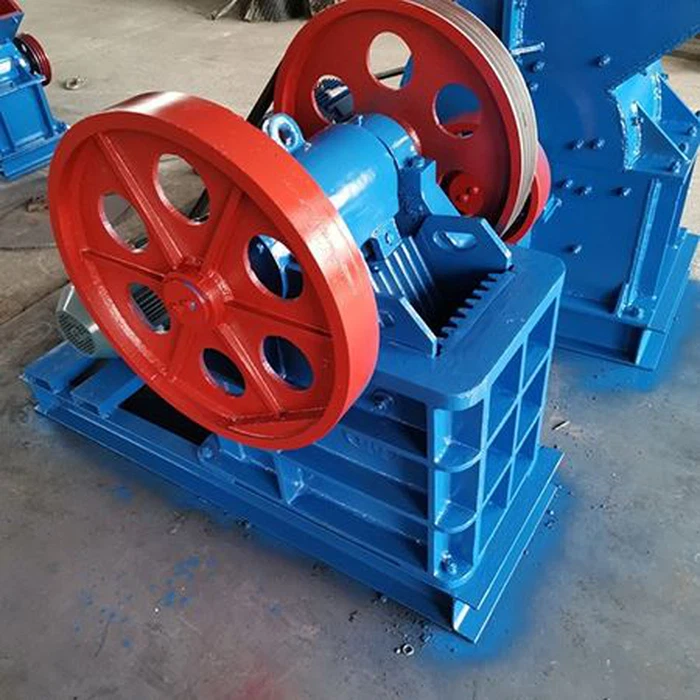
Jaw Crusher
A jaw crusher mainly consists of a frame, an eccentric shaft, a large pulley, a flywheel, a movable jaw, a side guard plate, a toggle plate, a toggle plate rear seat, a clearance adjustment screw, a return spring, a fixed jaw plate, and a movable jaw plate. And the bracket also plays a role in insurance. The crushing method of the jaw crusher is a curved extrusion type. The motor drives the belt and pulley to make the movable jaw move up and down through the eccentric shaft. When the movable jaw rises, the angle between the toggle plate and the movable jaw increases, thereby pushing the movable jaw plate approaching to the fixed jaw, at the same time, the material is crushed. When the movable jaw descends, the angle between the toggle plate and the movable jaw becomes smaller, and the movable jaw leaves the fixed jaw under the action of the pull rod and spring. The jaw plate, at this time, the crushed materials are discharged from the lower mouth of the crushing cavity. With the continuous rotation of the motor, the crushing mobile jaw is periodically crushed and discharged to realize mass production.

Cone Crusher
When the cone crusher is working, the motor drives the eccentric sleeve to rotate through the transmission device. The moving cone rotates and swings under the forced movement of the eccentric shaft sleeve. The section of the moving cone close to the static cone becomes the crushing cavity. The material is crushed by multiple extrusions and impacts of the moving cone and the static cone. When the moving cone leaves this section, the material that has been crushed to the required size will fall under its own gravity and be discharged from the bottom of the cone.
Tips for Crushing Machines
Aside from having manuals, it is also imperative to train crusher operators about safety. Not just anyone can handle heavy equipment so you can’t just assign a new person this job. There are hazards and risks that a user has to be aware of which can result in injury. Make sure that new hires have the proper education regarding crusher safety. Even a person who is a professional in operating cone crushers needs to be trained in the specifics of using jaw crushers. Aside from personnel safety, this training would ensure that heavy equipment is used properly to prevent breakage and early repairs. A safe environment for working will lead to more productive work which will benefit you in the long run. Make sure that you conduct refresher training regularly to remind your staff about these safety instructions.
Manuals are important because they contain helpful information like how to operate a crusher, safety tips to avoid accidents, directions to fix minor problems, and maintenance recommendations. If you follow them to the letter, your crusher will rarely face any problems in the future.
Make copies so everyone who needs to operate a crusher has a personal guide. Keep it near the operation premises at all times so you can consult it when needed from time to time.
Even before operating a crusher, workers in a hazardous job site need to wear the appropriate work-wear. Many people do not wear their personal protective equipment properly because they have become complacent while operating for a long time. For this, it is a good idea to assign a person to check if your personnel is following the safety dress code. With the right training, this problem could be overcome easily. Just be sure to always remind your staff that this is for their own safety. It is simple to do and it can prevent a lot of injuries. For example, an eye shield can deflect any flying rocks that result from the crushing process. A safety belt can also keep you safe from falling in.
Not all crushers can handle the same types of rocks. Primary crushers can break bigger rocks while secondary crushers will grind the resulting material to smaller and finer pieces. If you feed a larger raw material than it can handle, it could lead to blockages which can damage the equipment and halt productivity. Be Consistent with Crusher Maintenance Just like all heavy equipment, a crusher will also go through normal wear and tear. You can prolong the need for repairs and upgrades if you train your people to operate it within capacity. Another useful thing is also to conduct regular maintenance to spot problems and fix them early.
When doing maintenance work, it is useful to have another person aside from the operator to inspect the crusher. This new set of fresh eyes can help you see problems that usually go unnoticed because of complacency which results from repetitive tasks such as crushing.
Cleanliness is a good trait everyone should have in their job site. This habit will help prevent accidents that are caused by a dirty environment. For example, slips and trips could happen because of greasy ladders, neglected debris, and muddy platforms. This could lead to major injuries which could leave your personnel in hospital beds for a long time.
Make it a goal to always have time for cleanups at the end of a working day. This can make the housekeeping light if you do it consistently as opposed to doing it weekly or monthly. Hazards and risks are already there as long as you have to work with heavy equipment. Having an unsanitary and dirty environment can double this risk.
Factors to Consider Before Selecting a Crushing Solution
Crushing Capacity
Determine the required crushing capacity based on the volume and type of material you need to process. Consider both the maximum and average production rates to ensure the stone crusher can handle your desired output.
Feed Size
Evaluate the maximum feed size of the material that the crusher can accept. This will help you determine if the stone crusher is suitable for processing the size and hardness of the materials you intend to crush.
Crushing Efficiency
Look for a stone crusher that offers high crushing efficiency. Efficient crushers can reduce the amount of energy and time required to break down the materials, resulting in increased productivity and lower operating costs.
Adjustable Output Size
Consider whether the stone crusher offers adjustable output size options. This feature allows you to produce different sizes of crushed materials, which can be crucial for various applications or end products.
Power Source
Determine the power source that best suits your requirements. Stone crushers can be powered by electricity, diesel fuel, or even a combination of both. Consider factors such as availability, cost, and environmental impact when choosing the power source.
Mobility and Portability
If you require mobility and portability, look for stone crushers that are designed for easy transportation. Mobile crushers or portable crushing plants can be moved to different job sites, providing flexibility and convenience.
Maintenance and Serviceability
Assess the ease of maintenance and availability of spare parts for the stone crusher. Look for features that simplify maintenance tasks, such as accessible inspection points, easy access to wear parts, and user-friendly control systems.
Safety Features
Prioritize safety by considering the presence of safety features in the stone crusher. Look for features such as safety guards, emergency stop buttons, and advanced automation systems that enhance operator safety and protect the equipment from damage.
Noise and Dust Suppression
If noise and dust emissions are a concern in your operating environment, choose a stone crusher equipped with effective noise and dust suppression mechanisms. This helps to create a safer and more environmentally friendly working environment.
Reputation and Support
Consider the reputation and track record of the manufacturer or supplier. Look for a reliable company that offers good customer support, technical assistance, and after-sales service.