


Components
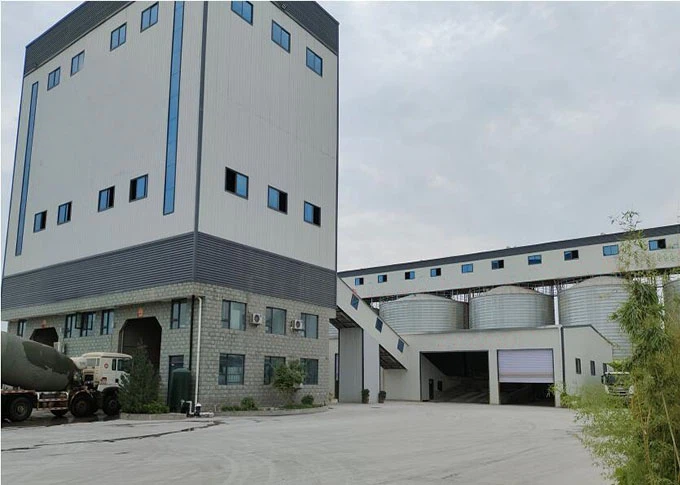
Our company was established in 1998, and we have been committed to the concrete mixing station and concrete mixer industry. Finally, we have 15 years of OEM concrete mixing plant experience.
Company Advantages
Many Devices
We have sandblasting machines, laser CNC machine tools, drilling machines, automatic welding robots, electronic CNC rolling machines, and other machining equipment.
High-Quality Supporting Suppliers
Our company has BHS, SICOMA, WAM, Siemens, Schneider, Toledo, Airtac, ABB and other suppliers.
Rich Experience
We have 15 years of experience in OEM concrete mixing plants. Strict quality control and refined cost control have resulted in high-quality, low-priced concrete production lines.
Many Production Lines
We have designed more than 20 concrete production lines, including new generation concrete mixing plants, mixing plants, and precast concrete mixing plants.


Introduction to Concrete Mixing Plant Components
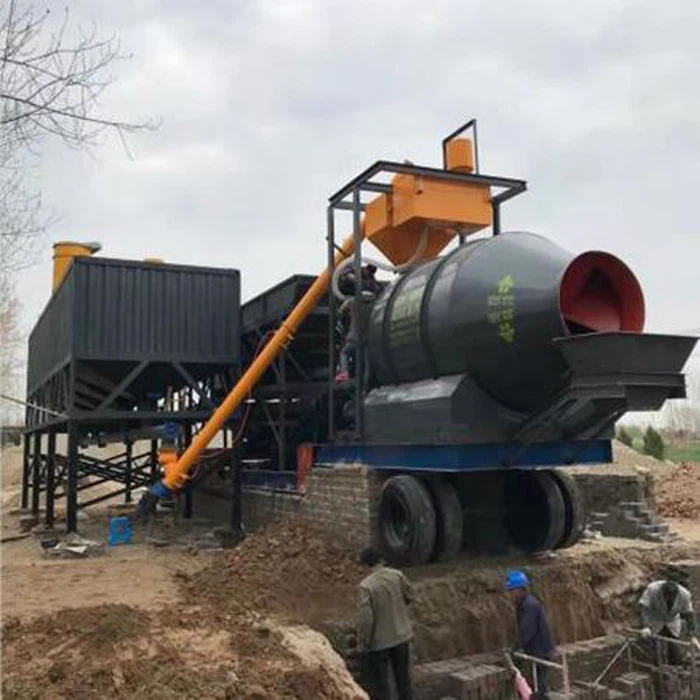
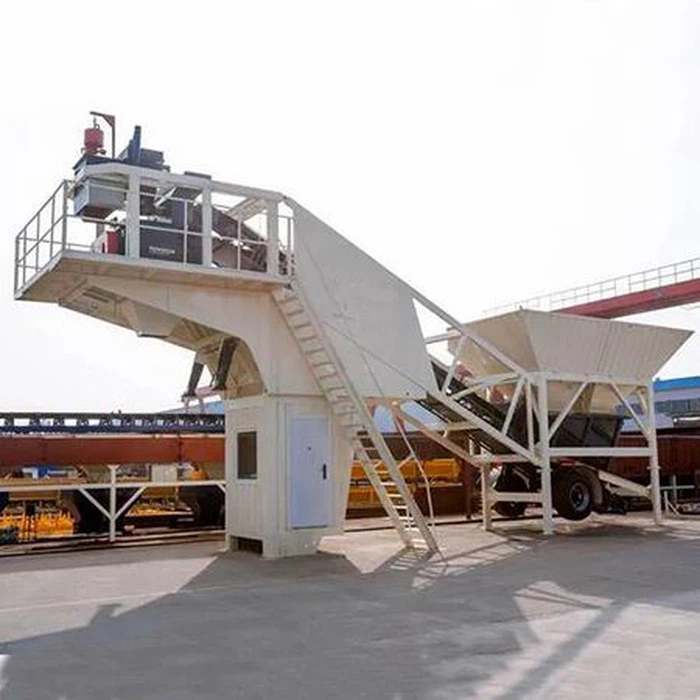
The use of commercial mixing is very large, so the construction of a commercial concrete batching plant has become a very good investment project. The commercial concrete mixing plant is an enterprise whose main purpose is to produce and sell concrete raw materials. The composition and basics of the commercial mixing plant and the engineering mixing plant are the same, and batching plant components are divided into mixing systems, batching systems, conveying systems, weighing systems, cement silos, and other parts.
Boom Concrete Pump
Different from the traditional way of conveying concrete, a concrete pump is a device that uses pressure to pump concrete along the conveying pipelines. When the concrete mixer truck transports the mixed concrete to the construction site, how to transport it to the designated construction location? At this time, it is necessary to play the role of a concrete pump. A boom pump is a concrete pump that you mount on a truck (hence it is sometimes called a “truck-mounted pump”) and that uses an arm (the “boom”) that you control remotely to deliver the cement where you need it.
Advantages

Increased Efficiency and Productivity
Concrete boom pump significantly improve construction efficiency by streamlining the concrete placement process. With their extended reach and maneuverability, they can deliver concrete directly to the desired location, eliminating the need for manual labor-intensive methods like wheelbarrows or cranes. This saves time, reduces labor costs, and accelerates project timelines.

Precision Placement
One of the key advantages of concrete boom pumps is their ability to precisely place concrete in hard-to-reach or complex areas. With the boom’s articulating sections and flexible movements, operators can navigate obstacles, pour concrete at varying heights and angles, and even reach over structures. This level of precision ensures that concrete is placed exactly where it is needed, reducing material waste and improving the overall quality of construction.

Improved Safety
Safety is of utmost importance in the construction industry, and concrete boom pumps contribute to a safer work environment. By eliminating the need for manual labor in concrete placement, the risk of worker injuries and strain-related issues is significantly reduced. Additionally, boom pumps provide better visibility for operators, allowing them to closely monitor the entire placement process and ensure adherence to safety protocols.

Versatility in Construction Applications
Concrete boom pumps offer versatility in various construction applications. They can be used in a wide range of projects, from residential and commercial buildings to bridges, tunnels, and high-rise constructions. The ability to reach significant heights and pour concrete in challenging locations makes them invaluable for complex construction projects.Application
Because of its flexibility and lower-volume capacity, you will more commonly use a concrete line pump for pouring concrete on smaller residential jobs, like building a swimming pool or repaving a driveway. You may also find yourself using a line pump as opposed to a boom pump in smaller areas or areas with more obstacles where a boom pump wouldn’t fit.
A concrete trailer pump is a kind of concrete pumping equipment used to pump mixed liquid concrete to the construction site. Usually, the position of the drag pump needs to be fixed before construction, and the pipeline should be laid in advance. Concrete pump truck is used either in the jobsites where the concrete is difficult to reach or where there is a large quantity of concrete requirement.
Advantages
Reliable Performance
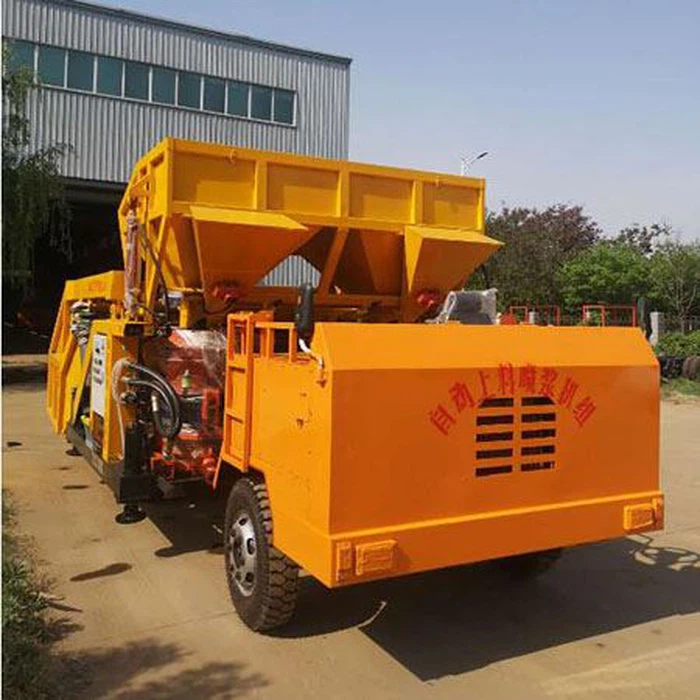
Concrete pumping will always give you a hassle free and reliable experience. It consumes less time in comparison to different other methods used in construction to transfer concrete to the required place. But Concrete Trailer Pump makes it handy and make the concrete reachable to the desirable area in the best condition. For this consistent service it has enabled different technology which ensure the proficiency in the work. Concrete Trailer Pump has hydraulic system, and the electric components which make sure the reliable performance and safe operation.
Quality and Strengthen Mix
It is very difficult to make the liquid concrete mixture accessible to various projects site. When you’re mixing it on the ground then you can find some soils or debris mixed with the mixture. Quality concrete mixture is necessary for a high standard and durable construction. This trouble is solved by the Concrete Trailer Pump. It makes the liquid concrete reach its place at time uniformly and simultaneously which also strengthen the mixture.
Easy to Operate
Assume getting the concrete mixture with aggregate and making it access to the required site. This will need a lot of man power, planning, costing and efficiency. It will not make it easily operative and there will be lot of hassle, because of involvement of a number of people. Yes, it will raise per head cost also. Concrete Trailer Pump is easily operational, no prior planning, no man power (just an operator for it), no more hassle and get your work done in an efficient and reliable way.
Fast
Concrete pumping speed matters, as the speed of project relies on it. Concrete Trailer Pumps does this, it provides handy and fast using operation with safety. The high-speed experience we have with it, due to the hydraulic system enabled in it. The hydraulic system is accompanied with high speed commutation mode it can rise pump commutation efficiency upsurge by 12 percent.
Shuttle conveyors are framework or channel-type belt conveyors mounted on trolleys with wheels that travel on rails. They can be equipped with their own drive which gives them the ability to move along the rails in both directions. This movement can be fully automated or controlled by an operator.
Advantages

01
Convenience
The shuttle conveyor can be used to place products in specific ways in specific intervals, for further transport in the conveyor system, or to place products in trays for packing. In the case of the latter, it's possible to construct a complete solution with an integrated indexer conveyor for the trays.

02
Automating Human Operations
Shuttle Belt Conveyors would be used to aid and replace some of the workloads from your workforce. Likewise, they are installed to automate the transportation of products or goods around your workplace. Thus, reducing the length and complexity of task completion for your workforce. Meanwhile, the amount of time saved will ensure a higher level of productivity.

03
Eliminate Risks and Injuries to Your Workforce
Following on from the previous benefit, eliminating risks in your workplace is very important. Making your employees’ tasks easier, by reducing the lifting and carrying of potentially heavy and awkwardly shaped goods will provide your workplace with fewer risks than before. In the same vein, creating a safer environment for your workforce will increase productivity and employee satisfaction for your workforce.

04
Higher Levels of Control
Shuttle Belt Conveyors allow for higher levels of control. By reducing the possibility of human error as much as before, your new installation would give you a higher level of control. Higher levels of control will allow you to concentrate on improving efficiency, rather than worrying as much about safety and human errors as much.
Cement Silo
A silo is a structure for storing bulk materials. A cement silo is an essential piece of equipment used for ready-mix concrete batching plants and for concrete products making machines. The ready-concrete mixing process cannot be done without a cement storage silo. It is also necessary for block making machines.
Efficient Storage
Cement silos provide an effective solution for storing bulk cement, helping keep it dry and protected from the elements.
Easy Accessibility
Having cement on-site in a silo ensures that it is readily available whenever needed, increasing work efficiency.
Cost-Effective
Bulk storage reduces the cost per unit of cement. Also, mobile or skid frame silos can decrease transportation costs.
Better Quality Control
Silos allow for consistent, high-quality cement to be used throughout the project.
Maintenance Tips for Components
Concrete Pump
Hydraulic Oil:Hydraulic oil is a working medium that requires a high degree of cleanliness. The upper cover of the hydraulic oil tank cannot be opened casually, so as to prevent impurities from mixing into the hydraulic oil. It should be reminded that the hydraulic oil should be replaced after 300 hours of work for the first time, and the hydraulic oil should be replaced every 600 hours after the work.
High-Pressure Oil Filter:When the prismatic pointer on the oil filter points to the green mark, it means that the work is normal and the filter element is not blocked; when the pointer points to the yellow color mark, it means that the filter element is blocked, but it can continue to work; when the pointer points to the red mark, indicating that the filter element is seriously blocked and cannot continue to work, and the filter element must be replaced immediately, and the filter element should be replaced at the same time every time the hydraulic oil is replaced.
Oil Level Gauge:The oil level gauge can generally be used to observe the amount of oil in the oil tank. Usually, the oil level of the oil level gauge must be located above the specified scale during operation. If it is missing, add hydraulic oil immediately.
Drain Valve:The use of drain valve can generally be used to open the tank when cleaning, usually, the drain valve is closed. The drain valve can be opened once a week after 24 hours of the shutdown to remove the water deposited at the bottom of the fuel tank.
Air Filter:The air filter can prevent foreign debris from mixing in and filtering the air, and it is recommended to replace it every six months.
Thermometer:Under normal circumstances, the thermometer usually displays the oil temperature of the hydraulic oil, and the normal working temperature of the hydraulic oil is generally 30℃-60℃, and the highest oil temperature generally does not exceed 70℃.
Shuttle Belt Conveyors
Keep It Clean
Proper maintenance of conveyor belts, pulleys, and rollers is crucial to their long-term viability and preventing excessive wear and tear. Dirt, dust, and debris accumulation can increase friction which causes overheating or failure of components if left alone for too long. Use cleaning solutions compatible with your belt material instead of harsh chemicals that could potentially cause irreparable harm.
Regular Check for Wear and Tear: Routine inspection of a conveyor belt’s condition for signs of wear and tear is vital for early identification of issues before they become more significant issues. Cracks, frayed edges and worn-out pulleys and rollers may lead to costly repairs and downtime requiring costly replacement components immediately.
Proper Tension
Establishing and maintaining the appropriate tension on a conveyor belt is paramount to safe and efficient operation. A loose belt could cause products being transported to spill over, become misalign or become misalignments; while an overly tight one could result in excessive wear and tear; proper tension can reduce slippage to ensure product delivery smoothly and reduce slippage during transportation.
Lubrication: Lubricating conveyor belts, pulleys and rollers appropriately is crucial to minimizing friction and wear on these components. Use only recommended lubricants designed for your belt material; excessively lubricated parts could attract dirt and cause slippage. Plus, proper lubrication reduces noise and increases efficiency – not only saving money.
Alignment
Aligning conveyor belts correctly is critical for minimizing wear and tear as well as avoiding product spillage or misalignment, and costly repairs or downtime. Regular checks and adjustments of this aspect of conveyor operation should be conducted to ensure efficient performance.
Checking Tension and Tracking: Regular checks of belt tension and tracking are crucial for ensuring optimal alignment and tension, which could result in costly repairs and downtime due to improper tensioning and tracking. Regular adjustments can help identify issues early and identify them before becoming major problems.
Cement Silo

Cement Silo Cleaning Should be Left to the Pros
Although cement storage silo maintenance might seem simple enough, it carries its share of risks. Untrained crew members who attempt to clear clogs from beneath a silo using broom handles or similar tools risk injury or death due to falling debris. Additionally, an untrained team member approaching the work from the top of a cement storage silo faces fall hazards — either toppling into the silo, where he or she could become buried, or down to the ground. Asphyxiation concerns also pose a very real threat. Put simply, you should never trust silo cleaning work to anyone who isn’t specifically trained to do it.

Incorporate Inspections into Your Day-to-Day Operations
Yes, daily silo inspections might be yet another thing on your company’s expansive to-do list. The good news is, they don’t take much time at all. Make it a point to carry out a quick walk-through among your silos at the start of your shift. While you’re out there, look for leaking products, cracks or corrosion that might allow moisture inside and even issues such as loose screws or shaky foundations that could lead to collapse. Don’t forget to give your vents and fans a quick once-over to ensure everything is doing its job. If you do spot a potential issue, make a note so your team can address it later on.

Make Minor Repairs When You Spot Issues
If we’ve said it once, we’ve said it a million times — carrying out smaller repair work when you notice trouble is the best way to ward off more extensive (and costly) repairs and replacements. Set aside a day each week or two to address worries spotted during those inspections. Tighten screws, treat areas that look to be forming rust and patch up any cracked or corroded spots that might put your silo’s airtight nature in question. Luckily, such work shouldn’t take too much time out of your busy day.