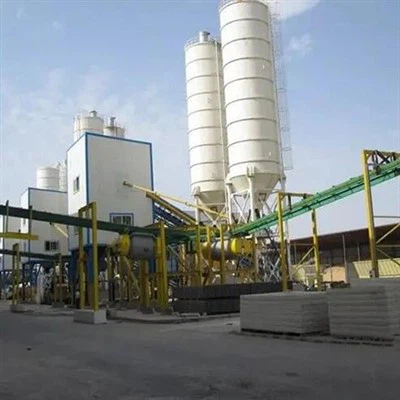
As a supplier of Cement Batching Plants, I've witnessed firsthand the crucial role ventilation systems play in these facilities. In this blog, I'll delve into what a ventilation system in a cement batching plant is, its significance, components, and how it impacts the overall operation of the plant.
Understanding the Ventilation System in a Cement Batching Plant
A ventilation system in a cement batching plant is a comprehensive setup designed to control the air quality, temperature, and humidity within the plant environment. Its primary function is to remove dust, fumes, and other harmful pollutants generated during the cement batching process, ensuring a safe and healthy working environment for the plant operators.
The cement batching process involves several stages, including the storage, handling, and mixing of cement, aggregates, and other additives. Each of these stages can generate significant amounts of dust and airborne particles, which can pose serious health risks to the workers if inhaled over an extended period. Additionally, the heat generated during the mixing process can lead to high temperatures and humidity levels within the plant, which can affect the quality of the concrete produced and the performance of the equipment.
Significance of a Ventilation System
The importance of a ventilation system in a cement batching plant cannot be overstated. Here are some of the key reasons why a well-designed ventilation system is essential:
Health and Safety
The most critical aspect of a ventilation system is to protect the health and safety of the plant workers. By removing dust and fumes from the air, the system reduces the risk of respiratory diseases, such as silicosis, which is a common occupational hazard in the cement industry. It also helps to prevent the accumulation of combustible dust, which can pose a fire and explosion hazard.
Equipment Protection
Dust and dirt can cause significant damage to the plant equipment, such as conveyors, mixers, and crushers. A ventilation system helps to keep the equipment clean and free from dust, reducing the risk of breakdowns and extending the lifespan of the machinery.
Product Quality
The quality of the concrete produced in a cement batching plant is highly dependent on the environmental conditions within the plant. High temperatures and humidity levels can affect the setting time and strength of the concrete, leading to substandard products. A ventilation system helps to maintain optimal temperature and humidity levels, ensuring consistent product quality.
Regulatory Compliance
Cement batching plants are subject to strict environmental regulations regarding air quality and worker safety. A well-designed ventilation system helps the plant to comply with these regulations, avoiding potential fines and legal issues.
Components of a Ventilation System
A typical ventilation system in a cement batching plant consists of several components, each playing a specific role in the overall operation of the system. Here are the main components:
Air Intake
The air intake is the point where fresh air enters the ventilation system. It is usually located in a clean area outside the plant to ensure that the incoming air is free from contaminants. The air intake may be equipped with filters to remove large particles and debris from the air.
Ductwork
The ductwork is a network of pipes or channels that carry the air throughout the plant. It is designed to transport the air from the air intake to the various areas of the plant where ventilation is required, such as the mixing area, storage silos, and loading bays. The ductwork may be made of various materials, such as galvanized steel, aluminum, or fiberglass, depending on the specific requirements of the plant.
Fans
Fans are used to create the necessary airflow within the ventilation system. They are typically located at strategic points along the ductwork to draw the air in and push it through the system. There are different types of fans available, including centrifugal fans, axial fans, and mixed-flow fans, each with its own advantages and disadvantages. The choice of fan depends on factors such as the required airflow rate, pressure, and noise level.
Dust Collectors
Dust collectors are an essential component of the ventilation system in a cement batching plant. They are used to remove the dust and particulate matter from the air before it is discharged into the atmosphere. There are several types of dust collectors available, including bag filters, cyclones, and electrostatic precipitators. Bag filters are the most commonly used type in cement batching plants due to their high efficiency and reliability.
Exhaust Stack
The exhaust stack is the final point of the ventilation system where the treated air is discharged into the atmosphere. It is usually located on the roof of the plant or at a high point to ensure that the pollutants are dispersed safely and do not pose a risk to the surrounding environment. The exhaust stack may be equipped with monitoring devices to measure the air quality and ensure compliance with environmental regulations.
Types of Ventilation Systems
There are two main types of ventilation systems commonly used in cement batching plants: natural ventilation and mechanical ventilation.
Natural Ventilation
Natural ventilation relies on the natural movement of air due to differences in temperature and pressure. It is a simple and cost-effective way to ventilate a cement batching plant, especially in areas with favorable climatic conditions. Natural ventilation systems typically use openings, such as windows, vents, and louvers, to allow the air to flow in and out of the plant. However, natural ventilation may not be sufficient to remove all the dust and fumes generated during the cement batching process, especially in large plants or in areas with high levels of pollution.
Mechanical Ventilation
Mechanical ventilation uses fans and ductwork to create a controlled airflow within the plant. It is more effective than natural ventilation in removing dust and fumes and can be designed to meet the specific requirements of the plant. Mechanical ventilation systems can be further classified into two types: exhaust ventilation and supply ventilation.
- Exhaust Ventilation: In an exhaust ventilation system, the fans are used to draw the contaminated air out of the plant and discharge it into the atmosphere. This type of system is commonly used in areas where the source of pollution is concentrated, such as the mixing area or the loading bays.
- Supply Ventilation: In a supply ventilation system, the fans are used to supply fresh air into the plant. This type of system is often used in combination with exhaust ventilation to create a balanced airflow and maintain a comfortable working environment.
Impact on the Overall Operation of the Plant
A well-designed ventilation system can have a significant impact on the overall operation of a cement batching plant. Here are some of the ways in which the ventilation system affects the plant:
Productivity
By providing a clean and comfortable working environment, a ventilation system helps to improve the productivity of the plant workers. Workers are more likely to be motivated and efficient when they are working in a healthy and safe environment.
Equipment Performance
As mentioned earlier, a ventilation system helps to protect the plant equipment from dust and dirt, reducing the risk of breakdowns and extending the lifespan of the machinery. This, in turn, helps to improve the overall performance of the plant and reduce maintenance costs.
Energy Efficiency
A properly designed ventilation system can also help to improve the energy efficiency of the plant. By using energy-efficient fans and motors and optimizing the airflow within the system, the plant can reduce its energy consumption and operating costs.
Conclusion
In conclusion, a ventilation system is an essential component of a cement batching plant. It plays a crucial role in protecting the health and safety of the plant workers, ensuring product quality, and complying with environmental regulations. A well-designed ventilation system can also have a positive impact on the overall operation of the plant, improving productivity, equipment performance, and energy efficiency.


If you are in the market for a Concrete Batch Plant, Ready Mix Plant And Central Mix Plant, or Volumetric Concrete Plant, and are interested in learning more about the ventilation systems we offer, please feel free to contact us for a consultation. Our team of experts will be happy to assist you in finding the right solution for your specific needs.
References
- "Cement Plant Operations Handbook" by C. L. Manjunath
- "Industrial Ventilation: A Manual of Recommended Practice" by the American Conference of Governmental Industrial Hygienists (ACGIH)
- "Air Pollution Control Engineering" by David A. Vallero