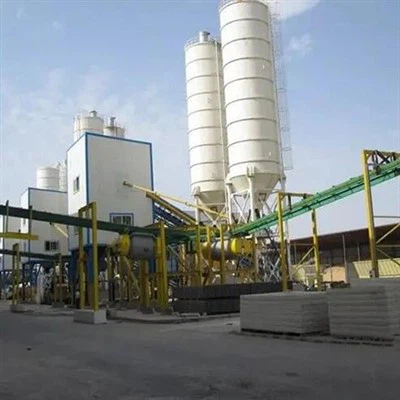
In the realm of modern industrial automation, Programmable Logic Controllers (PLCs) have emerged as the cornerstone of efficient and precise control systems. As a dedicated PLC batching plant supplier, I've witnessed firsthand the transformative impact of PLCs on the batching process. One of the most critical components of a PLC is its memory, which plays a multifaceted and indispensable role in the operation of a batching plant.
Storage of Programs and Recipes
At the heart of a PLC's functionality lies its ability to store and execute programs. The memory of a PLC serves as the repository for the control logic that governs the entire batching process. This program includes a series of instructions that dictate how the various components of the batching plant, such as conveyors, mixers, and weighing systems, should operate. For instance, the program can specify the sequence in which different raw materials are added to the mixer, the duration of mixing, and the precise amount of each ingredient to be used.
In addition to the control program, the PLC memory also stores recipes. Recipes are pre - defined sets of instructions that detail the specific composition and proportions of the batch to be produced. In a concrete batching plant, for example, a recipe might specify the amount of cement, sand, gravel, and water required to produce a particular grade of concrete. The ability to store multiple recipes in the PLC memory allows for quick and easy switching between different batch types, enhancing the flexibility and efficiency of the batching plant. This is particularly useful in industries where a variety of products need to be manufactured, such as in the production of different types of concrete for various construction projects.
Data Logging and Monitoring
Another crucial function of the PLC's memory is data logging. During the batching process, a vast amount of data is generated, including the weight of each ingredient, the operating time of the equipment, and the temperature and humidity in the plant. The PLC memory stores this data, which can be used for a variety of purposes.
Firstly, data logging enables real - time monitoring of the batching process. Operators can access the stored data to check the status of the plant at any given moment. For example, they can monitor the weight of the ingredients being added to the mixer to ensure that they are within the specified tolerances. If there is a deviation from the set values, the operator can take immediate corrective action, such as adjusting the flow rate of the ingredients or stopping the process if necessary.
Secondly, the logged data can be used for quality control purposes. By analyzing the historical data, plant managers can identify trends and patterns in the batching process. They can determine if there are any recurring issues, such as inconsistent ingredient weights or equipment malfunctions, and take steps to address them. This helps to ensure that the batches produced are of consistent quality, which is essential for customer satisfaction and compliance with industry standards.
Moreover, data logging can also be used for maintenance planning. By tracking the operating time and performance of the equipment, maintenance teams can schedule preventive maintenance tasks more effectively. This reduces the likelihood of unexpected breakdowns and extends the lifespan of the equipment, ultimately saving costs for the plant.
Communication and Integration
In today's interconnected industrial environment, PLCs need to communicate with other devices and systems. The memory of the PLC plays a vital role in facilitating this communication. It stores the necessary protocols and data required for communication with other components of the batching plant, such as sensors, actuators, and human - machine interfaces (HMIs).
For example, the PLC memory stores the communication protocols used to exchange data with the weighing sensors. These sensors measure the weight of the ingredients and send the data to the PLC. The PLC then processes this data and uses it to control the batching process. Similarly, the PLC communicates with the actuators, such as valves and motors, to control the flow of ingredients and the operation of the equipment.


In addition to communicating with local devices, PLCs can also be integrated with higher - level systems, such as enterprise resource planning (ERP) systems. The PLC memory stores the data that needs to be transferred to these systems, such as production reports and inventory levels. This integration allows for seamless coordination between different departments within the organization, improving overall efficiency and decision - making.
Fault Diagnosis and Troubleshooting
The memory of the PLC also plays a crucial role in fault diagnosis and troubleshooting. When a fault occurs in the batching plant, the PLC records information about the event, such as the time of the fault, the components involved, and the status of the system at the time of the fault. This information is stored in the PLC memory and can be used by technicians to diagnose the problem.
For example, if a weighing system malfunctions, the PLC can provide data on the weight readings before and after the fault occurred, as well as the status of the related sensors and actuators. This data can help technicians identify the root cause of the problem, such as a faulty sensor or a broken wire. By quickly diagnosing the fault, technicians can reduce the downtime of the batching plant and minimize the impact on production.
Impact on Batching Plant Efficiency and Productivity
The functions of the PLC's memory have a profound impact on the efficiency and productivity of a batching plant. By storing programs and recipes, the PLC enables quick and easy setup of the batching process, reducing the time required to change between different batch types. This results in higher production rates and increased throughput.
Data logging and monitoring ensure that the batching process is carried out accurately and consistently. By detecting and correcting deviations in real - time, the quality of the batches is improved, reducing the number of rejected products. This not only saves costs associated with rework but also enhances the reputation of the plant.
Effective communication and integration facilitated by the PLC memory allow for better coordination between different components of the batching plant and with higher - level systems. This streamlines the overall production process, reducing bottlenecks and improving resource utilization.
Fault diagnosis and troubleshooting capabilities provided by the PLC memory minimize downtime in case of equipment failures. By quickly identifying and resolving problems, the plant can resume normal operation, ensuring continuous production and meeting customer demands.
Conclusion
In conclusion, the memory of a PLC is a critical component in a batching plant. It serves multiple functions, including storing programs and recipes, data logging and monitoring, communication and integration, and fault diagnosis and troubleshooting. These functions contribute to the efficiency, productivity, and quality of the batching process.
As a PLC batching plant supplier, I understand the importance of providing high - quality PLCs with reliable memory systems. Our products are designed to meet the diverse needs of different batching plants, offering large memory capacities, fast data processing speeds, and robust communication capabilities.
If you are in the market for a PLC batching plant or looking to upgrade your existing system, we invite you to contact us for a detailed discussion. Our team of experts can provide you with customized solutions based on your specific requirements. We are committed to helping you achieve optimal performance and efficiency in your batching operations.
References
- "Industrial Automation Handbook" by Peter Nachtwey
- "Programmable Logic Controllers: Principles and Applications" by Timothy W. Simpson
- "Concrete Technology: Theory and Practice" by David Neville