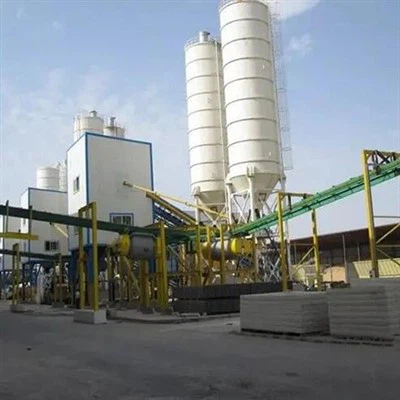
As a supplier of Mixer Batching Plants, I've had the privilege of witnessing firsthand the many benefits these plants bring to the construction industry. They are essential for producing high - quality concrete efficiently, ensuring that large - scale construction projects can be completed on time. However, like any piece of industrial equipment, Mixer Batching Plants also come with their fair share of disadvantages. In this blog, I'll delve into some of these drawbacks to provide a comprehensive view for potential buyers.
High Initial Investment
One of the most significant disadvantages of a Mixer Batching Plant is the high initial investment required. These plants are complex systems that consist of multiple components such as mixers, conveyors, storage silos, and control systems. Each of these components needs to be of high quality to ensure the proper functioning of the plant. For example, a 120m³/H concrete batching plant equipment is a large - scale setup that demands a substantial amount of capital for purchase, installation, and commissioning.
The cost of land acquisition for the plant is another factor. A Mixer Batching Plant needs a significant amount of space to accommodate all its components, as well as areas for raw material storage and vehicle movement. This means that the cost of purchasing or leasing a suitable plot of land can be quite high, especially in urban or industrial areas where land prices are steep.
High Operating Costs
Once the Mixer Batching Plant is up and running, the operating costs can be a burden. Energy consumption is a major expense. The mixers, conveyors, and other machinery in the plant require a large amount of electricity to operate. Continuous operation of these power - hungry components can lead to high electricity bills. Additionally, the cost of fuel for the vehicles used to transport raw materials to the plant and the finished concrete to the construction sites also adds up.
Maintenance is another aspect that contributes to the operating costs. The various mechanical and electrical components of the plant are subject to wear and tear over time. Regular maintenance is essential to ensure the smooth operation of the plant and to prevent breakdowns. This includes tasks such as lubricating moving parts, replacing worn - out belts and bearings, and calibrating sensors. The cost of spare parts and the labor required for maintenance can be significant, especially for larger and more complex plants.
Environmental Impact
Mixer Batching Plants can have a negative impact on the environment. Dust pollution is a major concern. During the handling and mixing of raw materials such as cement, sand, and gravel, a large amount of dust is generated. If not properly controlled, this dust can spread into the surrounding environment, causing air pollution. Inhalation of this dust can be harmful to human health, leading to respiratory problems such as asthma and lung diseases.
Noise pollution is also an issue. The operation of the mixers, conveyors, and other machinery in the plant produces a lot of noise. This can be a nuisance to nearby residents and wildlife. The constant noise can disrupt the daily lives of people living in the vicinity of the plant and can also have a negative impact on the behavior and well - being of animals in the area.

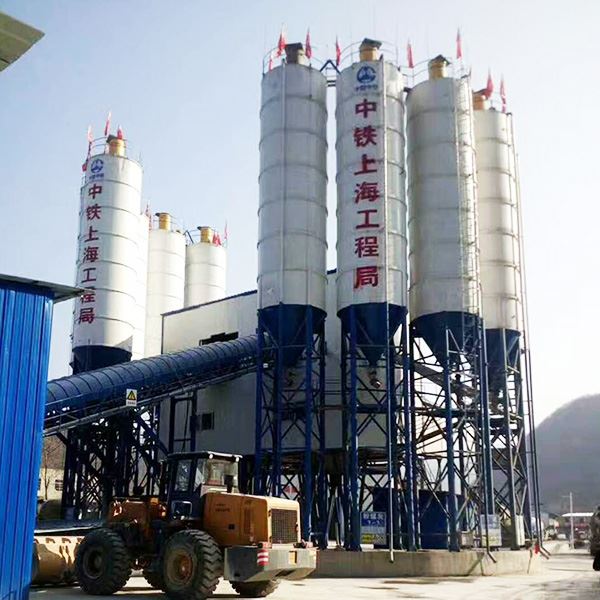
In addition, the disposal of waste materials from the plant, such as leftover concrete and packaging materials, can pose an environmental challenge. If not managed properly, these waste materials can contaminate soil and water sources.
Limited Mobility
Most Mixer Batching Plants are large and stationary structures. Once installed, they are difficult to move or relocate. This lack of mobility can be a disadvantage in certain situations. For example, if a construction project is completed and there is a need to move the plant to a new location for a different project, it can be a complex and costly process. The plant may need to be disassembled, transported, and then reassembled at the new site, which requires a significant amount of time, labor, and resources.
Dependence on Skilled Labor
Operating a Mixer Batching Plant requires a certain level of skill and expertise. The plant operators need to be trained to understand the complex control systems, the proper operation of the machinery, and the quality control procedures. Finding and hiring skilled labor can be a challenge, especially in areas where there is a shortage of trained personnel.
Moreover, the training of new employees can be time - consuming and expensive. The company needs to invest in training programs to ensure that the operators are proficient in all aspects of plant operation. If there is a high turnover of employees, the company may face continuous challenges in maintaining a skilled workforce.
Quality Control Challenges
Ensuring consistent quality of the concrete produced by the Mixer Batching Plant can be a challenge. There are many factors that can affect the quality of the concrete, such as the quality of the raw materials, the mixing time, and the water - cement ratio. Even small variations in these factors can lead to significant differences in the properties of the concrete, such as its strength, durability, and workability.
Monitoring and controlling these factors require sophisticated testing equipment and trained personnel. Regular sampling and testing of the concrete are necessary to ensure that it meets the required standards. However, these testing procedures can be time - consuming and costly, and there is always a risk of human error in the testing process.
Market Competition
The market for Mixer Batching Plants is highly competitive. There are many suppliers in the market, offering a wide range of products with different features and price points. This means that it can be difficult for a supplier to stand out and attract customers.
Customers are often looking for the best value for their money, which includes factors such as the price of the plant, its performance, and the after - sales service provided by the supplier. To compete effectively, suppliers need to invest in research and development to improve the performance and features of their plants, as well as in marketing and customer service.
Limited Customization
While some Mixer Batching Plants can be customized to a certain extent, there are limitations. The basic design and functionality of the plant are often determined by the manufacturer. This means that customers may not be able to get a plant that exactly meets their specific requirements.
For example, if a customer has unique requirements regarding the capacity, the type of mixer, or the layout of the plant, they may find it difficult to find a supplier who can provide a fully customized solution. This can be a drawback, especially for large - scale construction projects with specific needs.
Despite these disadvantages, Mixer Batching Plants remain an important part of the construction industry. They offer many benefits in terms of efficiency, quality control, and the ability to produce large quantities of concrete. If you are considering purchasing a Mixer Batching Plant, it's important to carefully weigh the advantages and disadvantages and to choose a plant that best suits your needs. Whether you are interested in a Wet Mix Batching Plant or a Universal Batching Plant, our team of experts can provide you with detailed information and help you make an informed decision. We are here to assist you throughout the purchasing process and to provide excellent after - sales service. If you have any questions or would like to discuss your requirements further, please feel free to reach out to us for a purchase consultation.
References
- Concrete Technology: Principles, Properties, and Materials by P. Kumar Mehta and Paulo J. M. Monteiro
- Construction Equipment Management by John A. Schexnayder
- Environmental Impact Assessment of Industrial Plants by David A. Vallero