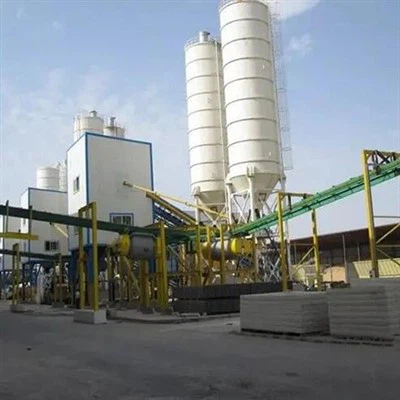
Hey there! I'm a supplier of PLC Batching Plants, and today I wanna dive deep into the role of a PLC in the pre - batching process in a batching plant.
First off, let's understand what pre - batching is. Pre - batching is the initial step in a batching plant where different raw materials like aggregates, cement, and water are measured and prepared before they're fully mixed to form the final product, like concrete. This is a crucial stage because the accuracy of pre - batching directly affects the quality of the end product.
So, what's a PLC? A Programmable Logic Controller, or PLC for short, is like the brain of the pre - batching process. It's a specialized computer that can be programmed to control various industrial processes, and in a batching plant, it plays a super important role.
One of the main functions of a PLC in pre - batching is accurate measurement. In a batching plant, getting the right amount of each raw material is key. For example, if you're making concrete, the ratio of cement, aggregates, and water has to be just right. A PLC can control the feeding mechanisms of different raw materials. It can precisely measure the amount of aggregates being loaded into the weighing hopper by controlling the conveyor belts or screw feeders. This ensures that the quantity of each material meets the set recipe. With its high - precision sensors and control algorithms, a PLC can achieve an accuracy that's hard to match manually.
Another vital role of a PLC is process automation. In a pre - batching process, there are multiple steps that need to be carried out in a specific sequence. The PLC can be programmed to start and stop different equipment at the right time. For instance, it can start the cement feeder after the aggregates have been properly weighed, and then initiate the water injection once the cement is in place. This automation not only speeds up the pre - batching process but also reduces the chances of human error. Workers don't have to constantly monitor and operate each piece of equipment; the PLC takes care of it all.
Moreover, a PLC provides real - time monitoring. It can display the status of each stage of the pre - batching process on a control panel. Operators can see the current weight of each raw material in the weighing hoppers, the speed of the conveyors, and whether all the equipment is working properly. If there's an issue, like a blockage in the feeder or a malfunction in the weighing system, the PLC can immediately send an alarm. This allows for quick troubleshooting and minimizes downtime.
In addition, a PLC can store multiple recipes. Different projects may require different types of concrete or other mixed products. With a PLC, you can easily switch between recipes. You just select the desired recipe on the control panel, and the PLC will adjust the pre - batching process accordingly. This flexibility is really useful for batching plants that handle a variety of projects.
Now, let's talk about some of the benefits of using a PLC in the pre - batching process for batching plant operators.
For one thing, it improves product quality. As I mentioned earlier, accurate measurement and process automation ensure that the raw materials are mixed in the right proportions. This leads to a more consistent and high - quality end product. Whether you're producing Mobile Concrete Batching Plant for on - site construction or Mini Portable Concrete Batch Plant for smaller projects, the quality of the pre - batched materials is crucial.
Secondly, it increases productivity. The automation provided by the PLC speeds up the pre - batching process. Less time is wasted on manual operations and waiting for each step to be completed. More batches can be produced in a given time, which means higher output and potentially more profits for the batching plant.
Cost - effectiveness is also a significant advantage. Although the initial investment in a PLC system may seem high, in the long run, it saves money. It reduces the need for a large number of manual workers, and the reduction in errors means less waste of raw materials. You're not over - using or under - using any of the materials, which helps cut down on costs.
However, there are also some challenges when using a PLC in the pre - batching process. One of the main challenges is the need for proper programming. A poorly programmed PLC can lead to inaccurate measurements and process disruptions. So, it's essential to have skilled technicians who can program and maintain the PLC system.
Another challenge is the potential for technical failures. Like any electronic device, a PLC can malfunction. Power outages, sensor failures, or software glitches can all cause problems. But with proper backup systems and regular maintenance, these risks can be minimized.
In conclusion, a PLC is an indispensable part of the pre - batching process in a batching plant. Its ability to provide accurate measurement, process automation, real - time monitoring, and recipe storage makes it a game - changer. Whether you're involved in Batching Of Concrete or other batching operations, a good PLC system can significantly improve the efficiency and quality of your pre - batching process.
If you're looking to upgrade your batching plant or start a new one, and you're interested in a reliable PLC Batching Plant, don't hesitate to reach out. We can have a detailed discussion about your specific needs and how our products can meet them. Contact us for more information and let's get your batching process running smoothly!


References
- Industrial Automation Handbook: Covers general knowledge about PLCs and their applications in industrial processes.
- Concrete Technology Textbooks: Provide information on the importance of accurate pre - batching in concrete production.