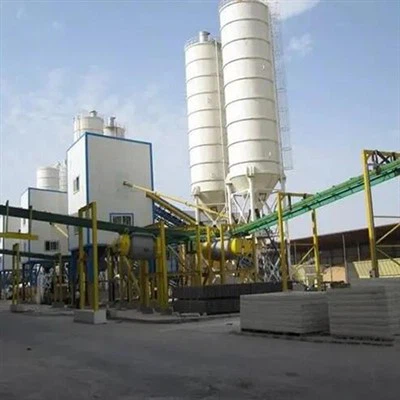
Hey there! I'm a supplier for a Ready Mix Plant, and I've been in this game for quite a while. Adjusting the mix design in a ready - mix plant is no easy feat, but it's super important to get it right. In this blog, I'll share some tips on how to do just that.
Understanding the Basics of Mix Design
First off, let's talk about what mix design is. It's all about figuring out the right proportions of cement, aggregates (like sand and gravel), water, and additives to create concrete that meets specific requirements. These requirements can include things like strength, workability, durability, and cost - effectiveness.
When you're starting out, you need to know the job specifications. For example, if you're making concrete for a high - rise building foundation, it'll need to have high strength. On the other hand, if it's for a sidewalk, workability might be more of a priority.
Factors Affecting Mix Design
There are several factors that can mess with your mix design. One of the biggies is the quality of the raw materials. Aggregates can vary in size, shape, and moisture content. If the aggregates are too wet or too dry, it can throw off the water - cement ratio, which is crucial for the strength of the concrete.


The type of cement also matters. Different cements have different setting times and strengths. For instance, Portland cement is a common choice, but there are also other types like blended cements that can offer specific benefits.
Another factor is the environmental conditions. Hot weather can cause the concrete to dry out too quickly, while cold weather can slow down the curing process. You might need to adjust the mix design accordingly. For example, in hot weather, you might add more water - reducing agents to keep the concrete workable.
Adjusting the Mix Design
Okay, so how do you actually adjust the mix design? Well, it all starts with testing. You should regularly test your raw materials to make sure they meet the standards. You can use things like sieve analysis to check the particle size distribution of the aggregates and moisture meters to measure the moisture content.
If you find that the aggregates are too wet, you can either dry them out or reduce the amount of water in the mix. Conversely, if they're too dry, you might need to add a bit more water, but be careful not to go overboard as it can weaken the concrete.
When it comes to the cement, if you need to increase the strength of the concrete, you can increase the amount of cement in the mix. However, this can also increase the cost, so you need to find a balance. You might also consider using additives to enhance the properties of the concrete without adding too much cement.
Additives can be a game - changer. There are water - reducing agents that can help you use less water while maintaining workability. There are also air - entraining agents that can improve the durability of the concrete, especially in freeze - thaw conditions.
Using Technology to Your Advantage
In today's world, technology can really help with mix design adjustment. There are software programs available that can simulate different mix designs and predict the properties of the concrete. These programs take into account factors like the type of materials, environmental conditions, and job requirements.
You can also use automated batching systems in your New Concrete Plant. These systems can accurately measure and dispense the raw materials, reducing the chances of human error. They can also be programmed to adjust the mix design based on real - time data.
Case Studies
Let me share a couple of real - life examples. Once, we had a project where the concrete was being used for a bridge deck. The client wanted a high - strength concrete with good workability. We started with a standard mix design, but during the testing phase, we found that the aggregates had a higher moisture content than expected.
We adjusted the mix design by reducing the amount of water and adding a water - reducing agent. This helped us maintain the workability while still achieving the desired strength. The project was a success, and the client was really happy with the results.
Another time, we were working on a project in a very cold climate. The original mix design wasn't curing properly due to the low temperatures. We added an accelerator to the mix, which sped up the curing process. We also increased the amount of cement slightly to ensure the long - term strength of the concrete.
Importance of Communication
Communication is key in a ready - mix plant. You need to work closely with your customers to understand their needs. They might have specific requirements that you need to take into account. For example, if they're using the concrete for a decorative purpose, they might want a certain color or finish.
You also need to communicate with your suppliers. They can provide you with information about the quality of the raw materials and any changes in the supply. If there are any issues with the materials, you can work together to find a solution.
Different Types of Plants
Depending on your needs, you might consider different types of plants. A Portable concrete batch plant is great for small - scale projects or projects in remote locations. It's easy to transport and set up.
On the other hand, a Cement mixing plant is more suitable for large - scale operations. It can produce a large volume of concrete consistently.
Conclusion
Adjusting the mix design in a ready - mix plant is a complex but essential process. By understanding the factors that affect the mix design, regularly testing your raw materials, using technology, and communicating effectively, you can create high - quality concrete that meets the needs of your customers.
If you're in the market for a new concrete plant or need advice on mix design adjustment, don't hesitate to reach out. We're here to help you make the best decisions for your projects.
References
- Neville, A. M. (1995). Properties of Concrete. Pearson Education.
- Mindess, S., Young, J. F., & Darwin, D. (2003). Concrete, Microstructure, Properties, and Materials. Prentice Hall.