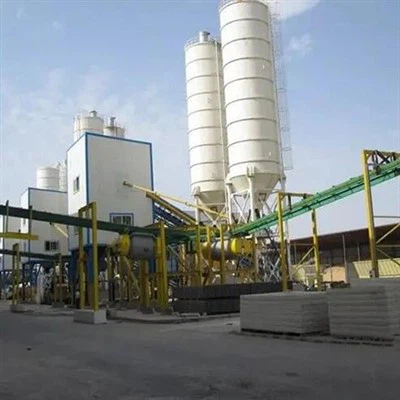
As a supplier of Batching Plant Silos, I've witnessed firsthand the crucial role that the location of these silos plays in the overall efficiency and success of a concrete production operation. In this blog post, I'll delve into the key requirements for the location of a batching plant silo, offering insights based on years of experience in the industry.
Accessibility and Transportation
One of the primary considerations when choosing a location for a batching plant silo is accessibility. The site should be easily reachable by trucks and other transportation vehicles that will be delivering raw materials and transporting the finished concrete. A well - connected location near major roads or highways reduces transportation time and costs, which in turn improves the overall profitability of the operation.
For instance, if the silo is located far from a main road, trucks may have to navigate through narrow or poorly maintained streets, leading to delays and potential damage to the vehicles. Moreover, easy access to the site ensures that deliveries can be made promptly, minimizing downtime at the batching plant.
Another aspect of transportation to consider is the proximity to the construction sites where the concrete will be used. Cement Concrete Batching Plant operations are often time - sensitive, and having the silo located close to the end - users can significantly reduce the time it takes to transport the concrete, ensuring that it arrives at the construction site in optimal condition.
Site Topography and Drainage
The topography of the site where the batching plant silo will be installed is also of utmost importance. The area should be relatively flat to ensure the stability of the silo structure. Uneven ground can cause stress on the silo walls, leading to potential structural failures over time.
In addition to flatness, proper drainage is essential. Silos store various materials such as cement, fly ash, and aggregates, which can be damaged by water. A site with good natural drainage or one that can be engineered to have effective drainage systems will prevent water from pooling around the silo. Standing water can not only corrode the silo structure but also contaminate the stored materials, affecting the quality of the concrete produced.
For example, if the site is in a low - lying area with poor drainage, heavy rainfall can lead to flooding, which may force the shutdown of the batching plant and cause significant losses. Therefore, it is advisable to conduct a detailed topographical survey of the site before installation to identify any potential drainage issues and develop appropriate solutions.
Proximity to Raw Material Sources
The location of the batching plant silo should be in close proximity to the sources of raw materials. This reduces the cost of transporting materials such as cement, sand, gravel, and water to the silo. For Central Batching Plant operations, having a reliable and nearby supply of raw materials is crucial for maintaining a consistent production rate.
If the silo is located far from the cement factory, for example, the transportation costs of cement will increase, which will ultimately be reflected in the price of the concrete. Additionally, long - distance transportation of raw materials may lead to delays in the supply chain, causing production disruptions at the batching plant.
Water is another essential raw material for concrete production. The silo site should be close to a reliable water source, whether it's a river, a well, or a municipal water supply. This ensures a continuous supply of water for the mixing process and reduces the need for costly water transportation.
Environmental Considerations
Environmental factors play a significant role in determining the location of a batching plant silo. The site should be located away from residential areas to minimize the impact of noise and dust pollution. Batching plants can generate significant noise during the operation of equipment such as mixers and conveyors, and the handling of dry materials like cement can produce dust.
Moreover, the silo should be situated in an area where there are no significant environmental hazards. For example, it should not be located in a flood - prone area, a seismic zone with high earthquake risk, or an area with high levels of air pollution that could contaminate the stored materials.
Compliance with local environmental regulations is also a must. Before choosing a location, it is necessary to consult with local environmental authorities to ensure that the proposed site meets all the necessary environmental standards. This may involve obtaining permits for construction and operation, as well as implementing measures to control pollution, such as installing dust collectors and noise - reducing equipment.
Space Requirements
Adequate space is required for the installation and operation of a batching plant silo. In addition to the space occupied by the silo itself, there should be enough room for the installation of associated equipment such as conveyors, mixers, and storage areas for spare parts.
There also needs to be sufficient space for the movement of trucks and other vehicles. This includes areas for loading and unloading raw materials, as well as turning areas for large trucks. A cramped site can lead to inefficiencies in the operation, as vehicles may have difficulty maneuvering, causing delays and potentially increasing the risk of accidents.
For a 150m³/H cement concrete batching plant, which is a relatively large - scale operation, the space requirements are even more significant. The layout of the site should be carefully planned to ensure that all the equipment and vehicles can operate smoothly and safely.
Utility Access
The location of the batching plant silo should have easy access to utilities such as electricity, water, and gas. Electricity is required to power the equipment in the batching plant, including mixers, conveyors, and control systems. A reliable power supply is essential to ensure continuous operation and prevent production disruptions.
Water is not only needed for the concrete mixing process but also for cleaning the equipment and maintaining a dust - free environment. The site should be connected to a water supply with sufficient capacity to meet the demands of the batching plant.
In some cases, gas may be used for heating or other processes in the batching plant. Having access to a gas supply, if required, simplifies the operation and reduces the cost of energy compared to using alternative fuels.
Security and Safety
Security is an important consideration when choosing the location of a batching plant silo. The site should be in an area where there is a low risk of theft and vandalism. This may involve choosing a location with good visibility, installing security fences, and having security personnel or surveillance systems in place.
Safety is also paramount. The silo should be located away from potential sources of danger, such as high - traffic areas, industrial sites with hazardous materials, or areas prone to natural disasters. Additionally, the site should be designed to comply with all relevant safety standards, including fire safety regulations, to protect the workers and the equipment.
Conclusion
In conclusion, the location of a batching plant silo is a critical decision that can have a profound impact on the efficiency, profitability, and safety of a concrete production operation. By considering factors such as accessibility, topography, proximity to raw material sources, environmental impact, space requirements, utility access, and security, you can choose a site that meets all the necessary requirements.
If you are in the market for a high - quality batching plant silo and need expert advice on location selection and installation, we are here to help. Our team of experienced professionals can provide you with comprehensive solutions tailored to your specific needs. Contact us today to start a discussion about your project and explore how our products can enhance your concrete production capabilities.


References
- Concrete Plant Handbook, [Publisher Name], [Year of Publication]
- Environmental Guidelines for Batching Plants, [Author Name], [Year of Publication]
- Transportation and Logistics in the Construction Industry, [Author Name], [Year of Publication]