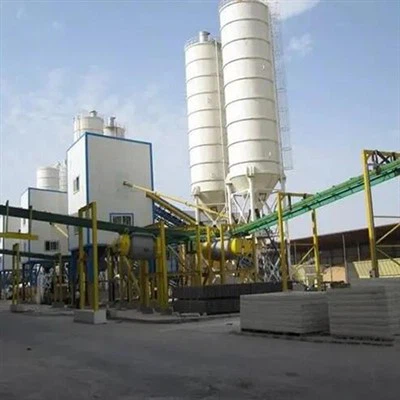
In today's rapidly evolving construction industry, dry mix batching plants play a crucial role in providing high - quality dry mix products for various construction projects. As a supplier of dry mix batching plants, it is essential for us to understand and adapt to the future development trends of this field to stay competitive and meet the changing needs of our customers. This blog will discuss several key aspects of adapting to the future development of dry mix batching plants.


Technological Advancements
Automation and Digitalization
The future of dry mix batching plants lies in increased automation and digitalization. Automation can significantly improve the efficiency and accuracy of the batching process. For example, automated conveyor systems can precisely transport raw materials to the mixing unit, reducing human error and increasing the speed of production. Digital control systems allow for real - time monitoring and adjustment of the batching process. Operators can use touch - screen interfaces to set parameters such as the amount of each raw material, mixing time, and discharge rate.
Moreover, the integration of the Internet of Things (IoT) technology enables the collection and analysis of data from different parts of the plant. This data can be used to optimize the performance of the plant, predict maintenance needs, and improve overall productivity. For instance, sensors installed on the mixers can monitor factors like temperature, vibration, and power consumption, providing valuable insights into the equipment's health.
Energy Efficiency
With the growing emphasis on environmental protection and sustainable development, energy - efficient technologies will be increasingly important for dry mix batching plants. Newer models of batching plants are being designed with energy - saving features. For example, high - efficiency motors can reduce power consumption during the operation of conveyors, mixers, and other equipment. Additionally, advanced insulation materials can be used to minimize heat loss in the mixing unit, reducing the energy required for heating.
Some plants are also exploring the use of renewable energy sources, such as solar panels, to power part of their operations. This not only reduces the carbon footprint of the plant but also helps to cut down on energy costs in the long run. As a supplier, we need to invest in research and development to incorporate these energy - efficient technologies into our products, making them more attractive to environmentally - conscious customers.
Market Trends and Customer Demands
Customization
Customers in the construction industry are now seeking more customized solutions for their dry mix batching needs. Different construction projects may require specific types of dry mix products with unique properties, such as high - strength, water - resistant, or early - setting dry mixes. As a supplier, we need to be able to offer a wide range of options and be flexible in customizing our batching plants to meet these specific requirements.
This may involve modifying the design of the plant to accommodate different types and quantities of raw materials, as well as adjusting the mixing process to achieve the desired product characteristics. For example, some customers may need a plant that can produce dry mixes with a high proportion of additives, and we should be able to configure the dosing system accordingly.
Expansion into New Markets
The global demand for dry mix products is constantly growing, and there are emerging markets in developing countries. These markets often have different construction requirements and regulatory environments. As a supplier, we need to conduct market research to understand the needs of these new markets and adapt our products and marketing strategies accordingly.
In some regions, there may be a preference for smaller - scale dry mix batching plants due to limited space or lower production requirements. In other areas, there may be a greater demand for plants that can produce dry mixes suitable for specific types of construction, such as low - rise housing or infrastructure projects. We should also be aware of local regulations regarding environmental protection, safety standards, and product quality, and ensure that our products comply with these regulations.
Competition and Collaboration
Staying Competitive
The market for dry mix batching plants is highly competitive. There are many suppliers offering similar products, and to stay ahead, we need to focus on product quality, price - performance ratio, and after - sales service. We should continuously invest in improving the quality of our plants by using high - quality materials and advanced manufacturing processes.
In terms of price - performance ratio, we need to find a balance between offering competitive prices and providing value - added features. For example, we can offer additional functions or longer - lasting components at a reasonable cost. Excellent after - sales service is also crucial. This includes providing prompt technical support, spare parts availability, and maintenance services. Customers are more likely to choose a supplier who can ensure the long - term reliable operation of their batching plants.
Collaboration
Collaboration can also be an effective strategy for adaptation. We can collaborate with other industry players, such as raw material suppliers, construction companies, and research institutions. Collaborating with raw material suppliers can ensure a stable supply of high - quality raw materials at a reasonable price. It can also lead to joint research and development efforts to improve the quality of dry mix products.
Working with construction companies allows us to better understand their on - site needs and challenges, and tailor our products accordingly. Research institutions can provide us with the latest technological knowledge and innovation, helping us to develop more advanced and efficient dry mix batching plants.
Industry Standards and Regulations
Compliance
As governments around the world are increasingly concerned about environmental protection, safety, and product quality, compliance with industry standards and regulations is a must. We need to keep ourselves updated on the latest standards and regulations regarding the design, manufacture, and operation of dry mix batching plants.
These regulations may cover aspects such as emissions control, noise reduction, worker safety, and product quality control. For example, there may be limits on the amount of dust and pollutants that a batching plant can emit into the environment. We need to ensure that our plants are equipped with appropriate dust collection and purification systems to meet these requirements.
Influence on Product Development
Industry standards and regulations also have a significant impact on product development. They can drive the innovation of new technologies and features in dry mix batching plants. For example, stricter safety regulations may lead to the development of more advanced safety devices, such as emergency stop buttons and safety interlocks. Higher product quality standards may require us to improve the mixing process and quality control systems of our plants.
In conclusion, as a supplier of dry mix batching plants, adapting to the future development involves embracing technological advancements, responding to market trends and customer demands, dealing with competition and collaboration, and complying with industry standards and regulations. By doing so, we can ensure the long - term success of our business and continue to provide high - quality solutions to our customers.
If you are interested in our dry mix batching plants or have any specific requirements, please feel free to contact us for further discussion and purchase negotiation. We are committed to providing you with the best products and services in the industry.
References
- Smith, J. (2020). Trends in the Dry Mix Batching Plant Industry. Construction Technology Review.
- Brown, A. (2021). Energy - Efficient Solutions for Dry Mix Batching Plants. Environmental Engineering Journal.
- Green, C. (2022). The Future of Customized Dry Mix Production. Construction Materials Magazine.