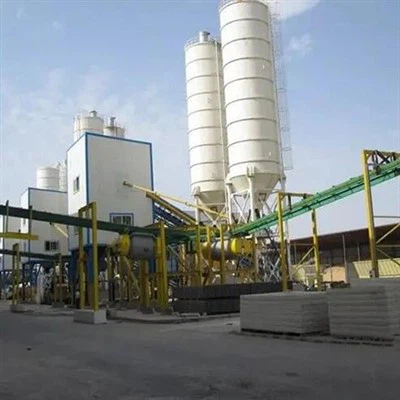
In the realm of construction, the accuracy of batching in a small batching plant is a topic of paramount importance. As a supplier of small batching plants, I've witnessed firsthand the impact that precise batching can have on construction projects. In this blog, we'll delve into the factors that affect the accuracy of batching in a small batching plant and explore how we can ensure high - quality results.
The Basics of Batching in Small Batching Plants
Batching is the process of measuring and combining various materials, such as cement, aggregates, water, and additives, in specific proportions to produce concrete or other construction materials. In a small batching plant, the scale of operations may be smaller compared to large - scale industrial plants, but the need for accuracy remains just as crucial.
Accurate batching is essential for several reasons. Firstly, it ensures the quality and consistency of the final product. If the proportions of materials are not correct, the concrete may have poor strength, durability, or workability, which can compromise the integrity of the entire construction project. Secondly, accurate batching helps in cost control. Over - or under - dosing of materials can lead to unnecessary waste or sub - standard products, both of which can increase project costs.
Factors Affecting Batching Accuracy
1. Equipment Precision
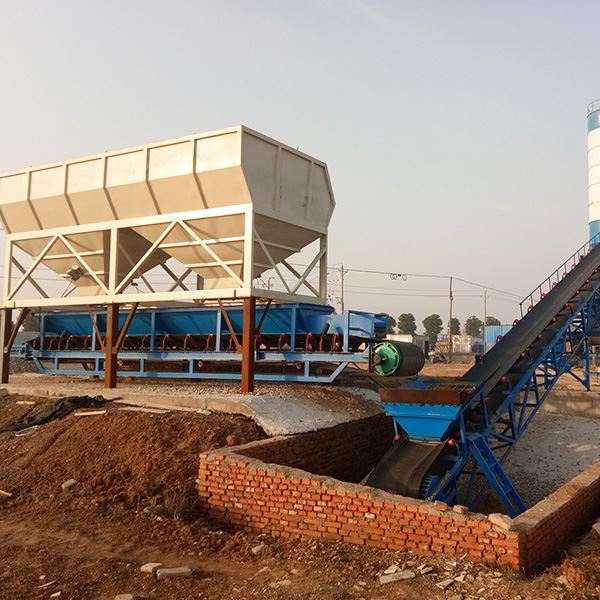
The quality and precision of the batching equipment play a significant role in determining the accuracy of the batching process. In a small batching plant, components such as weigh hoppers, conveyors, and dispensers need to be calibrated regularly to ensure accurate measurement of materials. For example, a poorly calibrated weigh hopper may over - or under - measure the amount of cement or aggregates, leading to inconsistent batch quality. At our company, we offer high - quality equipment that is designed to provide precise measurements. Our 60m³/H ready mix concrete batching plant is equipped with advanced weighing systems that can accurately measure materials within a narrow margin of error.
2. Material Characteristics
The physical and chemical properties of the materials being batched can also affect accuracy. Aggregates, for instance, can vary in moisture content, particle size, and shape. Moisture in aggregates can add to the total water content in the batch, which can throw off the water - to - cement ratio and affect the strength of the concrete. To address this issue, we recommend using moisture sensors in the batching process. These sensors can measure the moisture content of aggregates in real - time and adjust the amount of water added to the batch accordingly.
3. Operator Skills
The skills and experience of the operators in a small batching plant are crucial for accurate batching. Operators need to understand the batching process, be able to operate the equipment correctly, and make adjustments when necessary. Proper training is essential to ensure that operators are familiar with the equipment, calibration procedures, and quality control measures. At our company, we provide comprehensive training programs for operators of our batching plants, including our 90m³/H concrete batching plant, to ensure that they can operate the equipment with maximum accuracy.
4. Environmental Conditions
Environmental factors such as temperature, humidity, and wind can also impact batching accuracy. High temperatures can cause water evaporation during the batching process, which can change the water - to - cement ratio. Humidity can affect the flowability of materials, especially powdery substances like cement. Wind can blow away lightweight materials or cause uneven distribution of aggregates. To mitigate these effects, batching plants should be located in a sheltered area, and appropriate environmental control measures can be implemented, such as using covers for material storage and adjusting the batching process based on weather conditions.
Measuring and Ensuring Batching Accuracy
1. Regular Calibration
Regular calibration of the batching equipment is essential for maintaining accuracy. Calibration involves comparing the actual measurements of the equipment with a known standard and making adjustments as needed. This should be done at regular intervals, preferably daily or weekly, depending on the frequency of use. Our technical support team can assist customers in calibrating their batching plants, including our Rcc Batching Plant, to ensure optimal performance.
2. Quality Control Checks
In addition to calibration, quality control checks should be performed on the batches produced. This can involve taking samples of the concrete or other construction materials and testing them for various properties such as strength, workability, and density. By comparing the test results with the desired specifications, any issues with batching accuracy can be identified and corrected. We offer on - site testing services and provide guidance on setting up a comprehensive quality control program for our customers.
3. Use of Automation
Automation can significantly improve batching accuracy by reducing the potential for human error. Automated batching systems can precisely control the flow of materials, measure the amounts accurately, and adjust the process in real - time based on pre - set parameters. Our small batching plants are available with advanced automation options that can streamline the batching process and enhance accuracy.

The Importance of Accurate Batching for Construction Projects
Accurate batching in a small batching plant has a direct impact on the success of construction projects. In residential construction, for example, accurate batching ensures that the concrete used for foundations, walls, and slabs has the right strength and durability to withstand the loads and environmental conditions. In commercial and industrial construction, where large - scale structures are built, the quality of the concrete produced by the batching plant is even more critical. Poor batching can lead to structural failures, which can have serious safety implications and result in costly repairs or reconstruction.
Conclusion
In conclusion, the accuracy of batching in a small batching plant is a complex issue that is influenced by multiple factors, including equipment precision, material characteristics, operator skills, and environmental conditions. As a supplier of small batching plants, we are committed to providing high - quality equipment, comprehensive training, and technical support to our customers to ensure accurate batching. Our range of products, including the 60m³/H ready mix concrete batching plant, 90m³/H concrete batching plant, and Rcc Batching Plant, are designed to meet the diverse needs of construction projects and provide reliable and accurate batching solutions.
If you are in the market for a small batching plant and are looking for a reliable supplier that can offer high - quality equipment and excellent support, we invite you to contact us for a detailed discussion. We are ready to assist you in choosing the right batching plant for your project and helping you achieve accurate and consistent batching results.
References
- Neville, A. M. (2011). Properties of Concrete. Pearson Education.
- Kosmatka, S. H., Kerkhoff, B. H., & Panarese, W. C. (2002). Design and Control of Concrete Mixtures. Portland Cement Association.