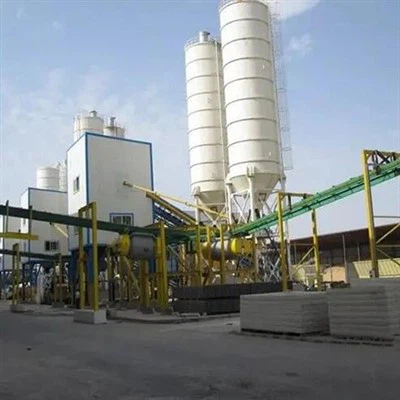
Hey there! As a supplier of Dry Batching Plants, I'm super stoked to walk you through the installation process of these amazing machines. Whether you're a seasoned pro in the construction game or just starting out, understanding how to install a dry batching plant is crucial for getting your concrete production up and running smoothly.
Pre - installation Preparations
Before we even start lifting any equipment, there are a bunch of things we need to take care of. First off, site selection is key. You want to pick a spot that's flat, well - drained, and close to the source of raw materials like aggregates, cement, and water. Also, make sure it's easily accessible for trucks to come in and out.
Next, we need to check the ground conditions. A solid foundation is the backbone of any dry batching plant. If the ground is soft or uneven, we might need to do some groundwork like compacting the soil or building a concrete pad. This will prevent any future settling or shifting of the plant, which could cause all sorts of problems down the line.
We also have to gather all the necessary tools and equipment for the installation. This includes things like cranes, forklifts, wrenches, and hoists. Having everything ready before we start will save us a ton of time and headaches.
Unloading and Inspection
Once we've got the site ready, it's time to unload the dry batching plant components. The plant usually comes in several parts, such as the aggregate bins, cement silos, conveyor belts, and the mixing unit. When we unload these parts, we need to be extra careful not to damage them.
After unloading, we conduct a thorough inspection of all the components. We check for any signs of damage during transportation, like dents, cracks, or missing parts. If we find anything wrong, we need to report it right away to make sure we can get replacements or repairs done quickly. This step is really important because using damaged parts can lead to safety hazards and poor performance of the plant.
Foundation Installation
Now, let's talk about the foundation. We start by marking the exact location where the plant will be installed on the prepared ground. Then, we use the foundation bolts and plates that come with the plant. These are crucial for securing the plant to the ground.
We place the foundation bolts in the pre - drilled holes on the concrete pad (if we've built one). Then, we carefully lower the main frame of the dry batching plant onto the foundation bolts. We use a level to make sure the frame is perfectly horizontal. Once it's in place, we tighten the nuts on the foundation bolts to secure the frame firmly.


Aggregate Bin and Conveyor Belt Installation
The aggregate bin is where we store the different types of aggregates like sand, gravel, and crushed stone. We lift the aggregate bin using a crane and position it on the designated area of the plant frame. We make sure it's level and properly aligned with the conveyor belts.
The conveyor belts are used to transport the aggregates from the bin to the mixing unit. We install the conveyor belts by first attaching the belt frames to the plant structure. Then, we thread the belt through the rollers and pulleys. We adjust the tension of the belt to make sure it runs smoothly without slipping.
Cement Silo Installation
Cement is a key ingredient in concrete production, so the cement silo is an important part of the dry batching plant. We use a crane to lift the cement silo into position. It's usually a tall, cylindrical structure that needs to be placed vertically and securely.
We connect the cement silo to the plant's weighing system using pipes. This allows us to accurately measure the amount of cement that goes into the mixing process. We also install the dust collection system on the top of the silo to prevent cement dust from escaping into the environment.
Mixing Unit Installation
The mixing unit is the heart of the dry batching plant. It's where all the ingredients come together to form concrete. We lift the mixing unit and place it on the plant frame, making sure it's properly aligned with the conveyor belts and the weighing systems.
We connect all the pipes and electrical cables to the mixing unit. The pipes are used to supply water, cement, and aggregates, while the electrical cables provide power to the motor and other components of the mixing unit. We test the mixing unit to make sure it rotates smoothly and that all the blades are in good condition.
Electrical and Control System Installation
The electrical and control system is what allows us to operate the dry batching plant efficiently. We install the electrical panels, motors, sensors, and control consoles. We connect all the electrical components according to the wiring diagram provided by the manufacturer.
The control system is programmed to regulate the flow of materials, the mixing time, and other important parameters. We test the control system to make sure it can accurately control all the functions of the plant. This includes setting the batch sizes, adjusting the mixing speeds, and monitoring the levels of materials in the bins and silos.
Testing and Commissioning
Once all the components are installed, it's time for testing and commissioning. We start by running a dry test, which means we operate the plant without any materials. We check the movement of all the parts, the functioning of the conveyor belts, the rotation of the mixing unit, and the operation of the control system.
After the dry test, we conduct a wet test. We load the aggregates, cement, and water into the plant and start the mixing process. We check the quality of the concrete produced, making sure it meets the required specifications in terms of consistency, strength, and other properties.
If any issues are found during the testing, we troubleshoot and fix them immediately. Once we're satisfied with the test results, the dry batching plant is ready for full - scale production.
Why Choose Our Dry Batching Plants
Our dry batching plants are top - notch. They're designed with the latest technology to ensure high - quality concrete production. We offer a range of models to suit different production needs, whether you're working on a small - scale construction project or a large - scale infrastructure development.
If you're in the market for a dry batching plant, you might also be interested in our Portable Concrete Plant For Sale. These portable plants are great for projects where you need to move the plant from one location to another.
We also have Concrete ready mix plant options that can produce ready - to - use concrete quickly and efficiently. And for those who need a more advanced mixing solution, our Central mix concrete batch plant is a great choice.
If you're thinking about purchasing a dry batching plant, don't hesitate to reach out to us. We have a team of experts who can help you choose the right plant for your needs and guide you through the installation process. Let's work together to take your concrete production to the next level!
References
- Concrete Plant Manufacturer's Manuals
- Industry Standards for Dry Batching Plant Installation