


Wet Batch Concrete Plant
Why Choose Us?
Fully Equipped
Excellent equipment production lines and stable quality supporting parts are guaranteed. JHT has processing equipment such as rust removal sandblasting machines, laser CNC machines, CNC laser cutting, boring machines, drilling machines, automatic welding robots, and electronic CNC rolling machines.
Rich Experience
Jinheng Machinery has 15 years of experience in OEM concrete mixing plants. Strict quality control and refined cost control have achieved high-quality and low-priced concrete production lines.
Broad Market
20 years of experience in designing and manufacturing concrete mixing plants, long-term cooperation, and collaboration with BHS, SICOMA, WAM, ABB, IBM, SIEMENS Established a good friendship.
Professional Service
We have created an intelligent concrete mixing plant that combines the Internet of Things and digitization. Provide customers with simple, safe, environmentally friendly, efficient, and intelligent green mixing overall solutions and services.
What is Wet Batch Concrete Plant?
Wet batch concrete plants are an all-in-one solution, as they come installed with an integrated mixer as part of the mixing console. This enables the aggregates, cement, additives and water to be mixed by the plant and then dispatched directly into the concrete truck mixer. Providing an all-in-one batching and mixing product May come at a higher price in terms of initial investment, and maintenance costs, when compared to dry batching plants. However, this can be offset and justified by the quality of the concrete produced. Wet batching plants are able to provide a higher level of homogeneity and quality of concrete compared to their dry batching plant counterparts.
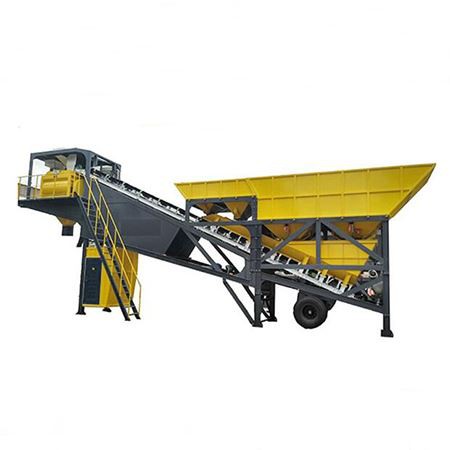
A mobile concrete batch plant, also known simply as a mobile batching plant or a mobile concrete mixing plant.

A readymix concrete plant, also known as a readymix concrete plant, is a facility where various ingredients are combined to produce concrete in a fixed location.
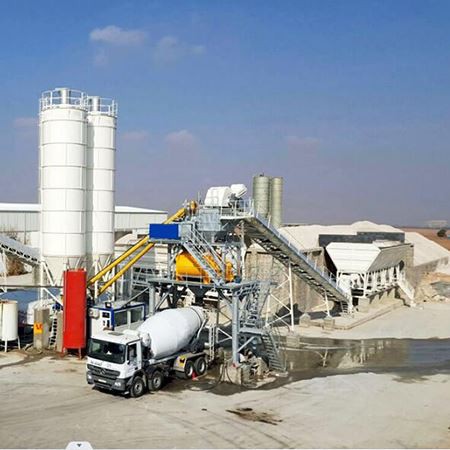
Schwing Stetter is a German-based company that specializes in manufacturing concrete construction equipment, including concrete batching plants.

A tower batching plant, also known as a vertical concrete batching plant or tower-type concrete batching plant.

Ready-mix concrete (RMC) plant machinery refers to the equipment and machinery used in the production of ready-mix concrete.

A concrete mixer plant, also known as a concrete batching plant or simply a batch plant, is a specialized facility used in construction for the production of concrete.

A small concrete batch plant is a compact and portable facility designed for producing concrete in small quantities.

A silo batching plant refers to a concrete batching plant that incorporates cement silos for the storage of cement.

A wet batch concrete plant, also known as a central mix concrete plant, is a type of concrete batching plant where all the concrete ingredients.
Benefits of Wet Batch Concrete Plant
Portability
The foremost advantage of mobile concrete batching plants is their exceptional portability. Small businesses often grapple with the need to execute multiple projects at various locations, which can pose a logistical challenge. These portable plants avoid this issue with ease, as they can be effortlessly towed to the construction site, eliminating the necessity for multiple plants or reliance on concrete deliveries from off-site suppliers. This mobility saves time and guarantees a consistent and high-quality supply of concrete wherever your projects may take you.
Cost-Effectiveness
For small businesses, cost-efficiency is paramount in remaining competitive. Mobile concrete plants are renowned for their cost-effective nature. They demand lower initial investments than stationary plants, which can be a game-changer for businesses with limited capital. Moreover, the ability to produce concrete on-site substantially reduces transportation expenses and mitigates the risk of project delays due to traffic or other external factors.
Improved Efficiency
Efficiency stands as the cornerstone of success in any construction project, and mobile concrete batch plants have the potential to enhance it significantly. They offer rapid and straightforward setup, reducing downtime and facilitating swift concrete production. With sophisticated batching controls and technology, you can make real-time adjustments to the mix design and production rate, ensuring a precise concrete supply as and when required. This adaptability is pivotal for small businesses that must swiftly respond to the constantly evolving demands of construction projects.
Versatility
Small businesses often undertake diverse construction projects, ranging from residential to commercial and infrastructure. Mobile plants stand out as versatile machines capable of handling various types of concrete, including ready-mix, precast, and speciality mixes. Their flexibility empowers you to deploy them on different projects, a significant advantage for small businesses looking to diversify their services and expand their project portfolio.
Precision
Precision in concrete production is non-negotiable when ensuring the structural integrity of buildings and infrastructure. Mobile concrete batching plants offer precise control over the mix design, enabling the accurate batching of materials. This results in consistent and high-quality concrete that consistently meets the required specifications. Maintaining such precision empowers small businesses to deliver reliable results, bolstering their reputation and gaining clients' trust.
Reduced Waste
Waste is a common concern for businesses of all sizes, but its impact is disproportionately significant for smaller enterprises. Mobile plants play a pivotal role in waste reduction by producing only the necessary quantity of concrete for a particular project. With the flexibility to adjust production rates, overordering and wastage are minimised, saving money and excelling sustainability by reducing the environmental impact associated with concrete production.
Lower Labor Costs
Labour costs form a substantial component of any construction project's budget. Mobile concrete batch plants require less labour to operate in comparison to traditional stationary plants. The automation and efficiency of these machines mean that a smaller team can effectively handle the batching and mixing process, resulting in substantial reductions in labour expenses for small businesses.
Increased Production Capacity
While mobile plants are typically compact and portable, they do not compromise production capacity. Many models are designed to handle a substantial volume of concrete production. This augmented capacity empowers small businesses to take on more substantial projects and meet the diverse demands of their clients, ultimately facilitating the expansion of their business operations.
Environmental Benefits
In today's construction landscape, environmental concerns have risen to the forefront of industry considerations. Mobile concrete batching plants are designed with environmental consciousness in mind. They consume less energy and generate less waste, contributing to a reduced carbon footprint. Furthermore, producing concrete on-site reduces emissions associated with concrete transportation from a central batch plant. Small businesses with a commitment to sustainability can reap the environmental benefits of mobile plants, reinforcing their eco-friendly practices and appealing to environmentally conscious clients.
Quality Assurance
Consistency and quality are paramount in the construction industry. Mobile plants provide the necessary tools to uphold stringent quality control standards. You can meticulously monitor the entire batching and mixing process through automated controls, ensuring that every batch of concrete aligns with the required specifications. This quality assurance benefits your business and guarantees the safety and durability of the structures you construct, enhancing your reputation in the industry.
Maintenance Tips for Wet Batch Concrete Plant
Proper maintenance and clean-up is essential for ensuring the smooth operation, production and performance of an concrete batch mix plant. Here are some maintenance tips to keep in mind:
Purchase from a Quality Manufacturer
The quality of equipment is of prime importance to a quality manufacturer. He will understand the value of delivering a quality product and back it up by top notch service. It is very important that you will discuss your in-depth requirement with the manufacturer and check if they understand your requirement. It is very important to go with a manufacturer who understands your listed requirements and is able to solve your needs. Once you invest in a quality equipment, the first important step is done correctly. A quality machine manufacturer will charge more but they will also deliver the correct specified goods.
Role of Operator
The operator's role cannot be considered less in the maintenance and performance of a concrete batch mix plant. An experienced person will ensure that minimum downtime is observed and the plant is kept running to its maximum potential. A well trained and motivated operator will add value. He should follow manufacturer's guidelines and best practices. It is also important that the operator will be well versed with all the components and their regular maintenance process.
Regular Maintenance Day
A maintenance day should be scheduled for maintenance of the batch plant. It will keep the plant in top conditions as it will allow cleaning and maintenance in one go. Any parts that are causing problem or may cause problem can be identified and an immediate solution can be brought. Timely cleaning and lubrication will do wonders for all the equipment. Any parts that are causing trouble or can cause trouble can be rectified at a very early stage. Such a regular maintenance schedule will prevent major breakdown and allow longer life span of the components.
Watch for Abnormal Movements
Abnormal movements in the plant can be indicative of potential issues. It is highly dangerous to continue the operation of the plant when abnormality is observed. The plant should be stopped and rectified. It is crucial to routinely check the plant for any unusual movements, sounds, or vibrations and to take immediate action in order to prevent this. These may indicate worn-out parts, loose bolts, or misaligned components. Prompt identification and resolution of these problems can avert more harm and guarantee seamless functioning.
Daily Inspection
Daily inspections are crucial for identifying and addressing any issues or potential problems in your batching plant. Inspect all the components, including the conveyor belts, mixer, electrical system, and other parts, for signs of wear, damage, or malfunction. Address any issues immediately to prevent further damage and downtime. Daily maintenance can also incorporate proper cleaning of the batch plant when it is shut down. This will allow the plant to be free and clean before the start of the operation on next day.
Plan in Advance
Effective maintenance planning involves proactive measures. Follow the manufacturer's recommended plan for maintenance. Arrange maintenance activities ahead of time, plan them for times when output isn't as high, and assign the required personnel and resources. Get the equipment checked with the manufacturer's technician. This enables to address maintenance and repairs in a timely manner.
Stock of Spares
Having a stock of spare parts readily available is crucial for the smooth operation. It is highly recommended to purchase genuine spare parts from the manufacturer or authorized dealers and keep them in stock to quickly replace any damaged spare immediately.

Concrete batching plant parts name, as crucial information of concrete batching plant, is the important knowledge that can help people do better with concrete batching plant investment, using and maintaining.
The composition of concrete batching plants is different depending on various plants types. According to the production process and system function, the concrete batching plant can usually be divided into several main systems: material storage system, material weighing system, material conveying system, mixing system, control system, pneumatic system, dust removal system, etc.
Next, we will recognize these concrete batching plant parts names according to different fuctional systems.
Important components of the plant include the cement batchers, aggregate batchers, conveyors, aggregate bins, heaters, chillers, cement silos, batch control panels and dust collectors.
At the center of the batching plant is the mixer, which is a key component of the equipment. The mixer can be; tilt drum, Planetary, pan, single shaft and the twin shaft mixers. Each type of mixer orientation has its special advantages.
The only two broad categories of batching plants that matter is the dry mix batching concrete plant and the wet batching concrete plant. Each of these kinds of machines is used to produce concrete but the key difference lies in the way that wet batching plants can produce concrete without help. Dry machines, however, need to work with a mixer first. Stay tuned for more aspects that separate these two batching categories.
●Technical Differences
Aside from the different appearances that wet and dry concrete batching machines have, the only difference in configuration is that wet plants have a mixing engine-twin shaft concrete mixer. Whereas, dry plants do not.
When it comes to dry plants, they are made up of the batching machine, storage silos, the belt conveyor, etc. This makes its structure a compact one.
Wet batching plants can be further divided into the belt conveyor batch plant and the skip hoist concrete plant. Both these types of wet batch plants have aggregate batching machines, weighing systems, cement silos, screw conveyors and twin shaft concrete mixers. The differences between these two sub-groups are minimal.
Something that is worth noting when it comes to wet concrete batch plants is that they can either be stationary or mobile. The configuration of each of these types is relatively the same the difference being that one can be moved freely and the other cannot.
●Different Perks
The advantage of having a wet batching plant on the job is that you'll have good quality concrete produced. Paired with this, these machines are also pretty efficient as twin shaft concrete mixers are used, as well as, other high-productivity features. This impacts the high production quality, the low investment and long service life positively.
Now, when referring to the advantages that dry plants bring, there are just as many. These machines are known to be highly efficient in operation and reliably stable during use. Additionally, these machines can be customised depending on what your project needs. These machines are also time savers thanks to the mixing trucks working along with these plants.
The main features include the extraction system with chains and shovels, as well as, the inclined bin walls that are covered in special material. These two characteristics allow for the correct extraction and descent of sticky and difficult materials.
Manufactured for both batch and continuous mixing, the storage hoppers can also be customised as one or two depending on the materials that need to be treated and the type of mixer required.

The size of a concrete batching plant determines the capacity of the machine. The bigger the capacity, the bigger will be the size of the plant. Concrete plant capacity essentially means the quantity of concrete produced in an hour. This production of concrete is measured in terms of cubic meters. The greater number of cubic meters (of concrete) a plant produces, the higher is the capacity of batching plant.
The range of batching plants that we offer are:
●Mini Batch Plant Capacity– 8 to 13 m3/hr.
●Portable Concrete Plant type Capacity – 10 to 30 m3/hr.
●Mobile Concrete Plant type – 20 to 60 m3/hr.
●Stationary type Concrete Plant – 30 to 200 m3/hr.
How to Check Calibration of Wet Batch Concrete Plant?
A concrete mixing plant or concrete batching plant is widely used in concrete centralized stirring places. It is carried out according to different design and manufacturing requirements that meet the actual needs of the process so that each device with a distinct professional quality.
●Before checking, prepare enough standard weights and weigh materials.
●During the calibration process, a special operator, and their safety must be guaranteed.
●Conduct a visual inspection: measure management marks, explanatory marks, verification marks as well as taking into account safety measures, self-inspection procedures, and conditions of use.
●Set calibration of zero and peeling device accuracy.
●Conduct a bias load test.
●Conduct a weighing test.
●Conduct a Discrimination test.
●If the batching scale fails to reach the corresponding accuracy, it needs to be calibrated.
Our Factory

Zhengzhou Jinheng Machinery Equipment Co., Ltd Since 2015.
It is a garden type concrete mixing plant, covers an area of only 5000 square meters. No aggregate stacking yard, unattended vehicle entry and exit system, building design, aggregate vertical feeding, high efficiency, low energy, environmental protection.
●Photovoltaic power supply system (can be automatically switched with the mains)
●Stable outsourced parts (BHS/SICOMA/WAM/SIEMENS)
●Large closed bone silo (No forklift)
●Intelligent control system (concrete mixing plant)
●Concrete mixing station remote operation and maintenance system
Our Certificate

Ultimate FAQ Guide to Wet Batch Concrete Plant
Hot Tags: wet batch concrete plant, China wet batch concrete plant manufacturers, suppliers, factory, hzs90, Wet Concrete Batching Plant, special solutions, 2022 new batch concrete mixer, hzs150, concrete batching plants
You Might Also Like


Send Inquiry