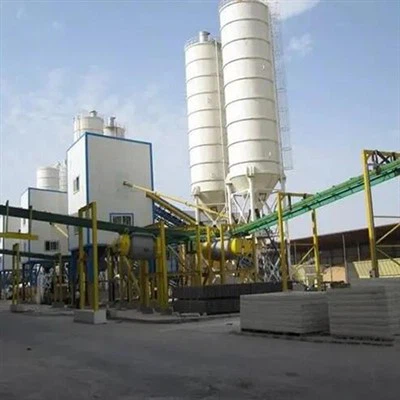
Hey there! As a supplier of concrete plants, I often get asked about the raw materials used in these plants. So, I thought I'd share some insights on what goes into making concrete and how it all works in a concrete plant.
Cement
Cement is the key ingredient in concrete. It acts as a binder, holding all the other materials together. The most common type of cement used in concrete plants is Portland cement. This is made by heating limestone and other materials in a kiln at high temperatures, then grinding the resulting clinker into a fine powder.
Portland cement comes in different types, each with its own properties and uses. For example, Type I is a general-purpose cement, while Type II is used for structures exposed to moderate sulfate attack. There are also special cements like white cement for decorative purposes and rapid-hardening cement for projects that need quick setting.
Aggregates
Aggregates are the second major component of concrete. They make up about 60 - 75% of the total volume of concrete. There are two main types of aggregates: fine and coarse.
Fine aggregates are usually sand. River sand, crushed stone sand, and manufactured sand are all commonly used. Sand fills the voids between the coarse aggregates and helps to give the concrete a smooth finish. It also affects the workability of the concrete, making it easier to mix and place.
Coarse aggregates are larger particles, typically gravel or crushed stone. They provide strength and stability to the concrete. The size of the coarse aggregates can vary depending on the application. For example, in large - scale construction projects like dams, larger aggregates may be used, while in thinner concrete slabs, smaller aggregates are more appropriate.
Water
Water is essential for the chemical reaction that causes cement to harden, known as hydration. The amount of water used in concrete is crucial. Too much water can weaken the concrete, making it more porous and less durable. On the other hand, too little water can make the concrete difficult to mix and place.
The water - cement ratio is a critical factor in determining the strength and quality of the concrete. A lower water - cement ratio generally results in stronger and more durable concrete. In addition to tap water, some concrete plants may also use recycled water, which is an environmentally friendly option.
Admixtures
Admixtures are substances added to the concrete in small amounts to modify its properties. There are several types of admixtures, each with a specific function.
Plasticizers and superplasticizers are used to increase the workability of the concrete without adding extra water. This allows for easier placement and finishing, especially in high - strength concrete or in situations where the concrete needs to flow through tight spaces.
Retarders are used to slow down the setting time of the concrete. This can be useful in hot weather or when there is a long distance between the concrete plant and the construction site, ensuring that the concrete remains workable until it reaches its destination.
Accelerators, on the contrary, speed up the setting time of the concrete. They are often used in cold weather or when a quick turnaround is required, such as in emergency repairs.
Air - entraining agents are added to create tiny air bubbles in the concrete. These bubbles improve the freeze - thaw resistance of the concrete, making it more suitable for use in cold climates.
Fly Ash and Slag
Fly ash and slag are supplementary cementitious materials (SCMs) that can be used in concrete. Fly ash is a by - product of coal - fired power plants, while slag is a by - product of the iron and steel industry.
Adding fly ash or slag to concrete can have several benefits. They can improve the workability of the concrete, reduce the heat of hydration (which is important in large - volume concrete pours), and increase the long - term strength of the concrete. They also help to reduce the environmental impact of concrete production by using industrial waste products.
How These Materials Come Together in a Concrete Plant
In a concrete plant, all these raw materials are carefully measured and mixed to produce high - quality concrete. There are different types of concrete plants available, depending on your needs. For example, a Dry Mix Batching Plant is suitable for projects where the concrete needs to be transported over long distances. In this type of plant, the dry materials are mixed first and then water is added at the construction site.
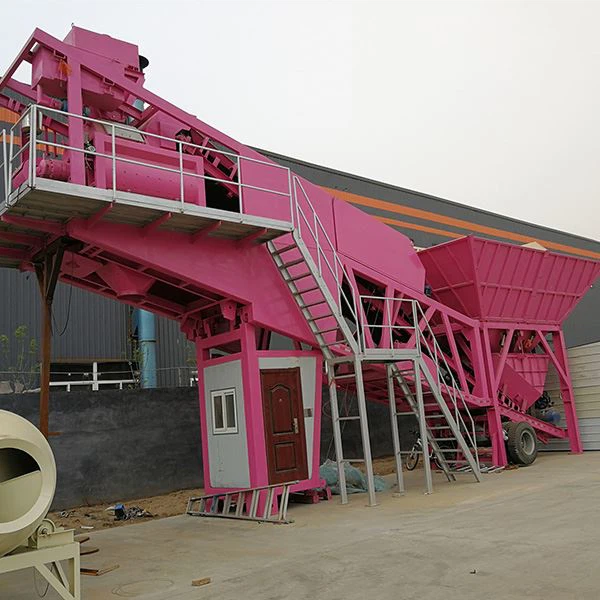
If you need a more flexible option, a Mini mobile concrete batching mixing plant or a Mobile Concrete Mixing Plant might be a better choice. These plants can be easily moved from one location to another, making them ideal for small - to - medium - sized construction projects or for sites where space is limited.

Conclusion
So, there you have it - the main raw materials used in a concrete plant. Each material plays a vital role in creating high - quality, durable concrete. Whether you're building a small house or a large skyscraper, choosing the right raw materials and the right concrete plant is essential.
If you're in the market for a concrete plant or have any questions about the raw materials or the production process, don't hesitate to reach out. We're here to help you make the best choices for your construction projects. Let's start a conversation and see how we can work together to meet your concrete needs.
References
- Neville, A. M. (1995). Properties of Concrete. Pearson Education.
- Mehta, P. K., & Monteiro, P. J. M. (2014). Concrete: Microstructure, Properties, and Materials. McGraw - Hill Education.