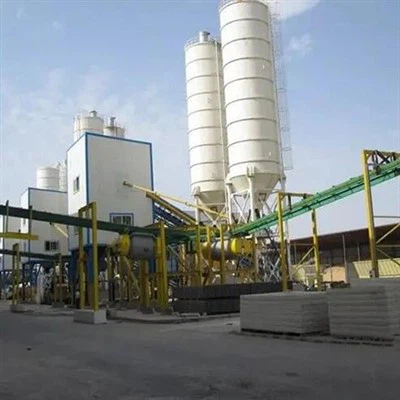
What is the mixing speed of a Central Mixing Plant?
As a supplier of Central Mixing Plants, I've often been asked about the mixing speed of these essential pieces of equipment. The mixing speed of a Central Mixing Plant is a crucial factor that directly impacts the efficiency and quality of concrete production. In this blog, I'll delve into what the mixing speed is, its significance, and how it varies in different scenarios.
Understanding Mixing Speed
The mixing speed of a Central Mixing Plant refers to the rate at which the materials - typically cement, aggregates, water, and additives - are combined to form a homogeneous concrete mixture. It is usually measured in revolutions per minute (RPM) for the mixing blades or paddles within the mixer. The goal is to achieve a uniform distribution of all components so that the resulting concrete has consistent properties throughout.
A higher mixing speed doesn't always mean better results. While it can reduce the overall mixing time, if the speed is too high, it may cause segregation of the materials, where the heavier aggregates separate from the lighter cement paste. On the other hand, a very low mixing speed may lead to an incomplete mix, with pockets of unmixed materials remaining in the batch.
Significance of Mixing Speed
1. Production Efficiency
The mixing speed directly affects the production rate of the Central Mixing Plant. A faster mixing speed allows for more batches to be produced within a given time frame. For large - scale construction projects with tight deadlines, a high - efficiency Central Mixing Plant with an optimal mixing speed can be a game - changer. It enables the timely supply of concrete, which is essential for keeping the construction process on schedule.
2. Quality of Concrete
The quality of the concrete produced is highly dependent on the mixing speed. A well - mixed concrete has better workability, strength, and durability. When the mixing speed is appropriate, all the materials are thoroughly combined, ensuring that the chemical reactions during the hydration process occur uniformly. This results in a more consistent and reliable concrete product, which is crucial for the long - term performance of the structure.
3. Cost - Effectiveness
An optimal mixing speed can also contribute to cost - effectiveness. By reducing the mixing time, less energy is consumed per batch. Additionally, a well - mixed concrete reduces the likelihood of rework due to poor quality, which can save both time and money in the long run.
Factors Affecting Mixing Speed
1. Type of Mixer
There are different types of mixers used in Central Mixing Plants, such as twin - shaft mixers and planetary mixers. Twin - shaft mixers generally have a higher mixing speed compared to planetary mixers. Twin - shaft mixers use two parallel shafts with blades that rotate in opposite directions, providing a more intense and rapid mixing action. Planetary mixers, on the other hand, have a mixing arm that rotates around a central axis while also spinning on its own axis, which can result in a slower but more gentle mixing process.
2. Material Characteristics
The properties of the materials being mixed also play a role in determining the appropriate mixing speed. For example, if the aggregates are larger or have a rough surface, a higher mixing speed may be required to ensure proper coating with the cement paste. Similarly, the type of cement and the amount of additives can affect the mixing speed. Some additives may require a longer mixing time or a specific mixing speed to be fully incorporated into the mixture.
3. Batch Size
The size of the batch being mixed is another important factor. Larger batches generally require a longer mixing time and may need a different mixing speed compared to smaller batches. A larger volume of materials takes more time to mix thoroughly, and the mixing speed may need to be adjusted to ensure that all parts of the batch are properly mixed.
Mixing Speed in Different Types of Central Mixing Plants
1. Wet Batch Concrete Plant
In a Wet Batch Concrete Plant, all the materials are mixed with water before being transported to the construction site. The mixing speed in these plants is often optimized for a quick and efficient mix. Since the concrete is already in a wet state when it leaves the plant, it needs to be well - mixed to prevent segregation during transportation. The typical mixing speed for a Wet Batch Concrete Plant can range from 20 to 40 RPM, depending on the type of mixer and the batch size.
2. Universal Concrete Batching Plant
Universal Concrete Batching Plants are designed to be versatile and can produce different types of concrete. They usually have adjustable mixing speeds to accommodate various materials and batch sizes. The mixing speed in a Universal Concrete Batching Plant can be adjusted according to the specific requirements of the project. For general - purpose concrete production, the mixing speed may be set between 25 and 35 RPM.
3. Concreting Plants For Transporting Concrete
These plants are focused on producing concrete that can be easily transported to the construction site. The mixing speed is carefully calibrated to ensure that the concrete remains homogeneous during transportation. A slightly lower mixing speed may be used to prevent excessive agitation that could cause segregation. The mixing speed in Concreting Plants For Transporting Concrete typically ranges from 15 to 30 RPM.


Determining the Optimal Mixing Speed
To determine the optimal mixing speed for a Central Mixing Plant, several tests and considerations are necessary.
1. Laboratory Testing
Before starting large - scale production, laboratory tests should be conducted to evaluate the mixing performance at different speeds. Samples of the concrete mixture can be taken at various time intervals and analyzed for workability, strength, and other properties. This allows for the identification of the mixing speed that produces the best - quality concrete.
2. Field Experience
Field experience also plays a vital role in determining the optimal mixing speed. Observing the performance of the Central Mixing Plant on actual construction sites can provide valuable insights. Feedback from the construction team, such as the ease of placing and finishing the concrete, can help in fine - tuning the mixing speed.
Conclusion
The mixing speed of a Central Mixing Plant is a complex but critical aspect of concrete production. It impacts production efficiency, the quality of the concrete, and cost - effectiveness. As a supplier, we understand the importance of providing Central Mixing Plants with adjustable mixing speeds to meet the diverse needs of our customers. Whether you are working on a small - scale residential project or a large - scale infrastructure development, choosing the right mixing speed is essential for the success of your project.
If you are in the market for a Central Mixing Plant and want to learn more about how our products can meet your specific requirements, we invite you to contact us for a detailed discussion. Our team of experts is ready to assist you in selecting the most suitable plant and optimizing its performance.
References
- Neville, A. M. (1995). Properties of Concrete. Pearson Education.
- ACI Committee 211. (2014). Standard Practice for Selecting Proportions for Normal, Heavyweight, and Mass Concrete. American Concrete Institute.