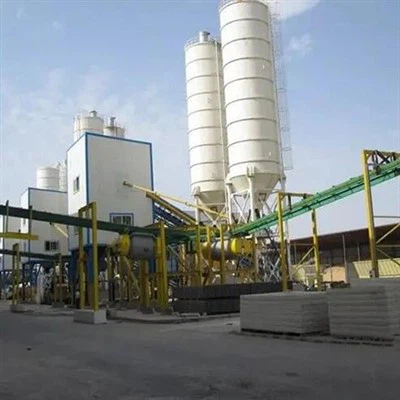
In the dynamic landscape of the construction industry, the role of mixer batching plants cannot be overstated. As a seasoned supplier of mixer batching plants, I've witnessed firsthand the evolving market demand for these essential pieces of equipment. In this blog post, I'll delve into the factors driving the market demand for mixer batching plants, explore the different types available, and discuss the future prospects of this industry.
Factors Driving the Market Demand
Infrastructure Development
One of the primary drivers of the market demand for mixer batching plants is infrastructure development. Governments around the world are investing heavily in building and upgrading roads, bridges, airports, and other public facilities. These large - scale infrastructure projects require a continuous supply of high - quality concrete, which can only be efficiently produced by mixer batching plants. For instance, the construction of a new highway may need thousands of cubic meters of concrete, and a reliable batching plant can ensure that the concrete is produced in a timely and consistent manner.


Urbanization
The rapid pace of urbanization is another significant factor. As more people move to cities, there is a growing need for housing, commercial buildings, and other urban infrastructure. This has led to a surge in construction activities in urban areas. Mixer batching plants are crucial in meeting the concrete requirements for these construction projects. They can be set up near construction sites, reducing the transportation time and cost of concrete, and ensuring that the fresh concrete reaches the construction site in the best possible condition.
Technological Advancements
Advancements in technology have also contributed to the increased demand for mixer batching plants. Modern batching plants are equipped with advanced control systems that can accurately measure and mix different ingredients, such as cement, aggregates, and water. This results in a more consistent and high - quality concrete product. Additionally, the automation of batching processes has improved the efficiency and productivity of these plants. Workers can operate the plants with greater ease, and the risk of human error is significantly reduced.
Environmental Concerns
In recent years, there has been a growing awareness of environmental issues in the construction industry. Mixer batching plants can play a role in promoting sustainable construction practices. For example, some batching plants are designed to recycle waste materials, such as old concrete and aggregates, reducing the need for virgin materials. Moreover, the use of energy - efficient equipment in batching plants helps to reduce energy consumption and carbon emissions.
Types of Mixer Batching Plants and Their Market Demand
Dry Batch Plant
A Dry Batch Plant is a type of mixer batching plant where the dry ingredients, such as cement and aggregates, are weighed and mixed in the plant, and then transported to the construction site for the addition of water and final mixing. This type of plant is often preferred for small - to medium - sized construction projects, where the concrete can be mixed on - site quickly. The market demand for dry batch plants is driven by their simplicity, low cost, and ease of transportation. They are also suitable for projects in remote areas where the availability of water may be limited.
Fully Automatic Batching Plant
The Fully Automatic Batching Plant represents the highest level of automation in the batching process. These plants are equipped with advanced sensors, control systems, and robotic arms that can perform all the tasks, from ingredient weighing to mixing and discharging, with minimal human intervention. The market demand for fully automatic batching plants is high in large - scale construction projects and in regions where labor costs are high. They offer high productivity, accuracy, and consistency, making them ideal for projects that require large volumes of high - quality concrete.
Mini Batching Plant
A Mini Batching Plant is a compact and cost - effective option for small construction projects, such as residential buildings and small commercial structures. These plants are easy to install and operate, and they can be moved from one site to another. The market demand for mini batching plants has been increasing, especially in developing countries where there is a large number of small - scale construction projects. They provide an affordable solution for local contractors who need to produce a limited amount of concrete.
Future Prospects of the Mixer Batching Plant Market
Looking ahead, the market for mixer batching plants is expected to continue growing. The ongoing infrastructure development projects in emerging economies, such as India, China, and Brazil, will drive the demand for these plants. Moreover, the increasing focus on sustainable construction and the need for more efficient and high - quality concrete production will also contribute to the market growth.
In addition, the integration of Internet of Things (IoT) technology in mixer batching plants is likely to be a significant trend in the future. IoT - enabled batching plants can collect and analyze data on various parameters, such as ingredient consumption, production rates, and equipment performance. This data can be used to optimize the operation of the plants, improve efficiency, and reduce costs.
Conclusion
In conclusion, the market demand for mixer batching plants is driven by a variety of factors, including infrastructure development, urbanization, technological advancements, and environmental concerns. Different types of batching plants, such as dry batch plants, fully automatic batching plants, and mini batching plants, cater to different market needs. As the construction industry continues to grow and evolve, the demand for mixer batching plants is expected to remain strong.
If you are involved in the construction industry and are in need of a reliable mixer batching plant, I encourage you to reach out to us. We have a wide range of batching plants to suit different project requirements, and our team of experts can provide you with professional advice and support. Contact us today to start a discussion about your concrete production needs.
References
- "The Construction Industry in the 21st Century: Trends and Challenges" by John Smith
- "Technological Advancements in Concrete Production" by Emily Davis
- "Sustainable Construction Practices and Their Impact on the Batching Plant Industry" by David Brown