Hey there! As a supplier of Rmc Batching Plants, I've gotten tons of questions about the different components of these plants. One part that often piques people's curiosity is the weighing hopper. So, let's dig into what the function of the weighing hopper in an Rmc Batching Plant is all about.
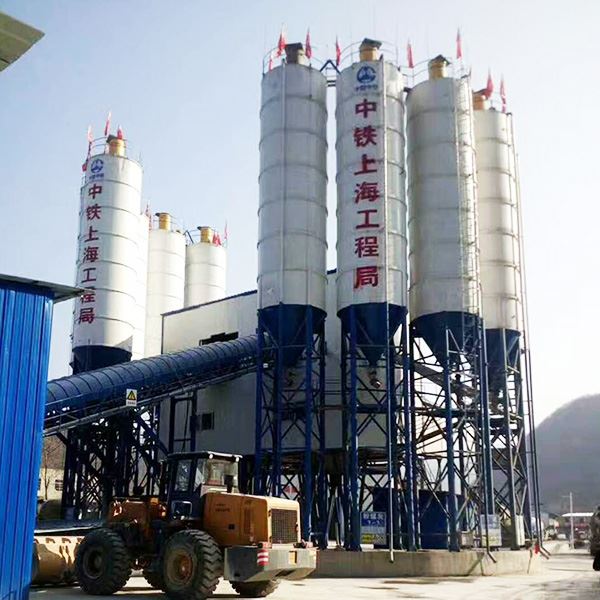
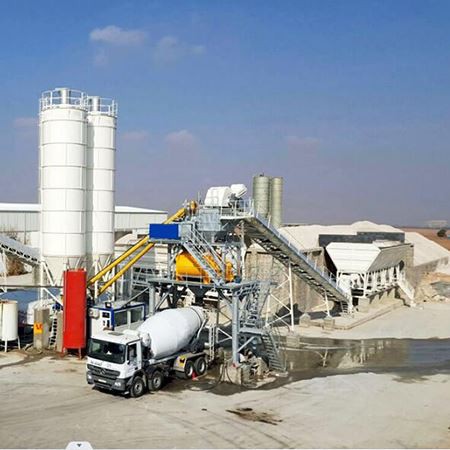
First off, what's an Rmc Batching Plant? Well, it's a crucial piece of equipment in the construction industry. RMC stands for Ready - Mixed Concrete, and these plants are designed to mix all the necessary ingredients like cement, aggregates, water, and additives in the right proportions to produce high - quality concrete. There are different types of Rmc Batching Plants, such as the Ready Mix Batch Plant and the Swing Setter Batching Plant. And if you're looking for high - capacity options, the 120m³/H concrete batching plant equipment is a great choice.
Now, let's focus on the weighing hopper. The main function of the weighing hopper in an Rmc Batching Plant is to accurately measure the various ingredients that go into making concrete. Accuracy is super important here because the quality of the concrete depends largely on the correct proportions of its components.
Measuring Aggregates
Aggregates, like sand and gravel, are one of the major ingredients in concrete. The weighing hopper ensures that the right amount of aggregates is added to the mix. Different construction projects require different grades of concrete, and the proportion of aggregates can vary significantly. For example, in a high - strength concrete mix, you might need a specific ratio of coarse to fine aggregates. The weighing hopper uses advanced weighing sensors to measure the aggregates precisely. These sensors can detect even small changes in weight, allowing for very accurate batching.
Cement Weighing
Cement is the binding agent in concrete, and getting the right amount is crucial for the strength and durability of the final product. The weighing hopper for cement is designed to handle the fine powder. It has to be sealed properly to prevent any leakage and ensure that all the cement is accounted for. The weighing system here is calibrated to measure the cement in exact quantities. A slight over - or under - addition of cement can have a big impact on the concrete's properties. Too much cement can make the concrete more expensive and may lead to cracking, while too little can result in weak concrete.
Water and Additive Measurement
Water is another essential component in the concrete - making process. The weighing hopper can also be used to measure the water accurately. The water - to - cement ratio is a critical factor in determining the workability and strength of the concrete. Additives, such as plasticizers or accelerators, are also measured using the weighing hopper. These additives can improve the performance of the concrete in various ways, like increasing its setting time or enhancing its resistance to freezing and thawing.
How the Weighing Hopper Works
The weighing hopper is usually connected to a control system. When the batching process starts, the control system sends signals to open the gates of the storage bins for the different ingredients. The ingredients then flow into the weighing hopper. As the weight of the ingredients in the hopper increases, the weighing sensors send data back to the control system. Once the desired weight is reached, the control system closes the gates to stop the flow of the ingredients.
There are different types of weighing hoppers, including single - hopper and multi - hopper systems. In a single - hopper system, all the ingredients are weighed one after another. This is a more basic and cost - effective option, suitable for smaller batching plants. In a multi - hopper system, different ingredients can be weighed simultaneously. This allows for faster batching and is often used in larger, high - capacity Rmc Batching Plants.
Ensuring Quality and Efficiency
The accurate measurement provided by the weighing hopper has a direct impact on the quality of the concrete. When the ingredients are in the right proportions, the concrete will have better workability, strength, and durability. This means fewer problems on the construction site, such as cracking or poor finishing.
In terms of efficiency, the weighing hopper helps to streamline the batching process. By accurately measuring the ingredients, there is less waste. You don't end up with too much or too little of any component, which saves both time and money. The batching process can also be completed more quickly, especially in multi - hopper systems, allowing for a higher production rate.
Maintenance of the Weighing Hopper
To keep the weighing hopper functioning properly, regular maintenance is required. The weighing sensors need to be calibrated regularly to ensure accurate measurements. Any dirt or debris that accumulates in the hopper can affect the weighing accuracy, so it should be cleaned frequently. The gates and other moving parts also need to be inspected for wear and tear and lubricated as necessary.
Impact on the Overall Rmc Batching Plant
The weighing hopper is like the heart of the Rmc Batching Plant. Without accurate weighing, the entire batching process would be unreliable. It affects every aspect of the plant's operation, from the quality of the concrete produced to the efficiency of the production line. A well - functioning weighing hopper can increase the productivity of the plant, reduce costs, and improve customer satisfaction.
If you're in the market for an Rmc Batching Plant, understanding the function of the weighing hopper is essential. It's a key component that can make or break the success of your concrete production. Whether you're a small - scale contractor or a large construction company, having a reliable weighing hopper in your batching plant is a must.
If you're interested in learning more about our Rmc Batching Plants or have any questions about the weighing hopper or other components, feel free to get in touch with us. We're here to help you make the right choice for your concrete - production needs.
References
- "Concrete Technology" by P.K. Mehta and P.J.M. Monteiro
- "Design and Construction of Concrete Batching Plants" by industry - specific technical manuals