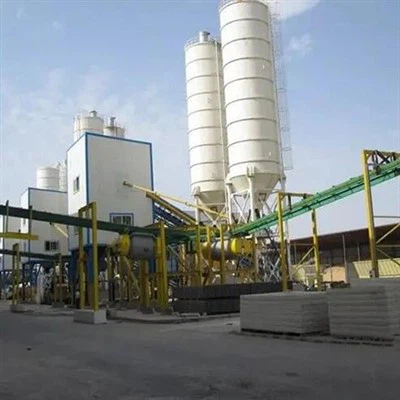
In the realm of construction, batching plant silos play a pivotal role in the efficient production of concrete. As a reputable supplier of batching plant silos, I've witnessed firsthand the significance of understanding the differences between vertical and horizontal batching plant silos. This knowledge is not only crucial for construction professionals but also for anyone involved in the concrete production process. In this blog post, I'll delve into the nuances of these two types of silos, highlighting their unique features, advantages, and applications.


Structural Design
The most apparent difference between vertical and horizontal batching plant silos lies in their structural design. Vertical silos, as the name suggests, stand upright, towering over the batching plant. They are typically cylindrical in shape and can range in height from a few meters to over 20 meters. The vertical design allows for efficient use of space, making them ideal for sites with limited footprint. On the other hand, horizontal silos are laid out horizontally, resembling large tubes or containers. They are usually shorter in height but can have a greater length, offering a larger storage capacity in a more spread - out configuration.
Storage Capacity
When it comes to storage capacity, both vertical and horizontal silos have their own advantages. Vertical silos are known for their high - density storage. Due to their tall structure, they can store a significant amount of material in a relatively small ground area. This makes them suitable for projects where space is at a premium, such as urban construction sites. For example, in a crowded city center construction project, a vertical silo can store a large quantity of cement without taking up too much valuable land.
Horizontal silos, however, offer a more flexible storage solution in terms of volume. Their longer length allows for a larger overall storage capacity compared to vertical silos of the same height. They are often used in large - scale projects where a continuous supply of large amounts of material is required. For instance, in a major infrastructure project like a highway construction, a horizontal silo can store enough aggregates and cement to meet the high - volume concrete production needs.
Material Discharge
The way materials are discharged from the silos is another key difference. In vertical silos, gravity plays a major role in the discharge process. The material stored at the top of the silo naturally flows downwards through the outlet at the bottom. This simple and efficient discharge mechanism reduces the need for additional equipment, making the operation cost - effective. However, in some cases, the flow of material can be disrupted if the material becomes compacted or forms arches inside the silo. To address this issue, additional devices such as vibrators may be installed to ensure a smooth discharge.
Horizontal silos, on the other hand, usually rely on mechanical conveyors for material discharge. These conveyors, such as screw conveyors or belt conveyors, are used to move the material from the silo to the batching plant. While this method requires more equipment and energy compared to the gravity - based discharge in vertical silos, it offers more control over the discharge rate. This is particularly useful when precise batching is required, as the conveyor can be adjusted to deliver the exact amount of material needed for each batch.
Installation and Mobility
Installation of vertical and horizontal silos also varies significantly. Vertical silos are generally more difficult to install due to their height. They require specialized equipment such as cranes to lift and position the silo in place. The installation process also needs to ensure the stability of the silo, as any imbalance can lead to safety hazards. Once installed, vertical silos are relatively permanent structures, making them less suitable for projects with short - term requirements or those that need to be relocated frequently.
Horizontal silos, on the contrary, are easier to install. They can be placed on a flat surface without the need for complex lifting equipment. Their lower height also reduces the risk of instability during installation. Moreover, horizontal silos are more mobile. Some horizontal silos are designed as Mini mobile concrete batching mixing plant, which can be easily transported from one site to another. This mobility makes them a popular choice for construction projects that move from one location to another, such as small - scale building projects or road repair works.
Cost Considerations
Cost is an important factor in any construction project. The cost of vertical and horizontal silos includes not only the initial purchase price but also installation, operation, and maintenance costs. Vertical silos typically have a higher initial cost due to their complex installation requirements and the need for specialized equipment. However, their lower energy consumption during material discharge and relatively simple maintenance can offset some of these initial expenses over the long term.
Horizontal silos, on the other hand, may have a lower initial purchase price. Their easier installation process also reduces the installation cost. But the additional cost of mechanical conveyors for material discharge and the higher energy consumption of these conveyors need to be considered. In addition, the more complex mechanical components in horizontal silos may require more frequent maintenance, which can add to the overall cost.
Applications
The choice between vertical and horizontal batching plant silos depends largely on the specific application. Vertical silos are commonly used in urban construction projects, high - rise building construction, and projects where space is limited. Their high - density storage and efficient use of space make them a practical choice for these scenarios. For example, in a downtown high - rise building project, a vertical silo can store cement and other additives close to the construction site, ensuring a quick and convenient supply for the concrete batching process.
Horizontal silos are often used in large - scale infrastructure projects, rural construction, and projects that require a high degree of mobility. Their large storage capacity and flexibility in material discharge make them suitable for projects with high - volume concrete production needs. For instance, in a rural dam construction project, a horizontal silo can store a large amount of aggregates and cement, and its mobility allows it to be easily moved to different locations within the project site as needed. Some horizontal silos are also designed as Mobile Cement Plant or On Site Concrete Batching Plant, which are very useful for on - site concrete production.
Conclusion
In conclusion, vertical and horizontal batching plant silos each have their own unique features, advantages, and applications. The choice between the two depends on various factors such as space availability, storage capacity requirements, material discharge needs, installation and mobility considerations, and cost. As a supplier of batching plant silos, I understand that every construction project has its own specific requirements. That's why we offer a wide range of silo solutions to meet the diverse needs of our customers.
If you're involved in a construction project and are considering the purchase of a batching plant silo, I encourage you to contact us for a detailed consultation. Our team of experts can help you evaluate your needs and recommend the most suitable silo solution for your project. Whether you need a high - density vertical silo for a space - constrained urban project or a mobile horizontal silo for a large - scale infrastructure project, we have the expertise and products to meet your requirements. Let's work together to ensure the success of your construction project.
References
- Concrete Construction Handbook, McGraw - Hill
- Silo Design and Operation Guide, American Concrete Institute