What are the storage capacities for raw materials in a Central Mixing Plant?
As a provider of central mixing plants, I've encountered numerous inquiries regarding the storage capacities of raw materials. Understanding these capacities is crucial for the efficient operation of any central mixing plant. In this blog, I'll delve into the key aspects of raw material storage in a central mixing plant and provide insights to help you make informed decisions.
Importance of Raw Material Storage
Before discussing the storage capacities, it's essential to understand why proper storage is so important. A central mixing plant relies on a continuous supply of high - quality raw materials to produce consistent and reliable concrete or other mixed products. Adequate storage ensures that the plant can operate without interruptions due to shortages, and it also helps in maintaining the quality of the raw materials. For example, cement, one of the most critical raw materials, can absorb moisture if not stored properly, which can lead to clumping and a decrease in its binding properties.
Types of Raw Materials and Their Storage Requirements
-
Cement
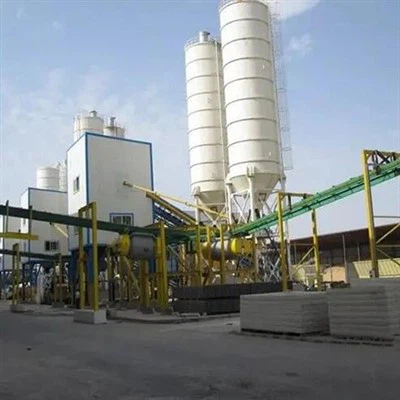
Cement is typically stored in silos. The storage capacity of cement silos can vary widely depending on the size and production requirements of the central mixing plant. Small - scale plants may have silos with a capacity ranging from 20 to 50 tons, while large - scale industrial plants can have silos that hold several hundred tons. For instance, a Small ready mixed concrete batching plant might have a 30 - ton cement silo, which is sufficient for its relatively lower production volume.
The design of cement silos is also crucial. They are usually made of steel and are equipped with features such as dust collectors to prevent the escape of cement dust into the environment. Additionally, they may have level indicators to monitor the amount of cement remaining in the silo. -
Aggregates
Aggregates, including sand, gravel, and crushed stone, are another major component of concrete. Aggregates are typically stored in open - air stockpiles or in covered bins. The storage capacity for aggregates depends on factors such as the type of aggregate, the production rate of the plant, and the availability of space.
Open - air stockpiles are a cost - effective option for large - scale storage. However, they require proper management to prevent contamination and segregation of the aggregates. Covered bins, on the other hand, offer better protection against weather conditions and can help maintain the quality of the aggregates. A Portable concrete batch plant may have smaller aggregate bins with a capacity of a few cubic meters, while a large central mixing plant could have stockpiles that hold thousands of cubic meters of aggregates. -
Water
Water is an essential ingredient in the concrete - mixing process. It is used not only for the hydration of cement but also for cleaning the equipment. Water is usually stored in tanks. The storage capacity of water tanks depends on the water requirements of the plant, which are determined by the production volume and the mix design of the concrete.
Smaller plants may have water tanks with a capacity of a few cubic meters, while larger plants can have tanks that hold tens or even hundreds of cubic meters of water. These tanks are often equipped with pumps and valves to control the flow of water into the mixing process. -
Admixtures
Admixtures are chemical additives used to modify the properties of concrete, such as its workability, setting time, and strength. Admixtures are typically stored in small - to medium - sized containers, such as drums or tanks. The storage capacity for admixtures is relatively small compared to other raw materials, as only small amounts are required in the concrete - mixing process.
The storage of admixtures requires careful consideration of their chemical properties. Some admixtures are sensitive to temperature and light, so they need to be stored in a cool, dark place.
Factors Affecting Storage Capacities
- Production Volume
The production volume of the central mixing plant is one of the most significant factors influencing the storage capacities of raw materials. A plant with a high production rate will require larger storage capacities to ensure a continuous supply of raw materials. For example, a plant that produces 100 cubic meters of concrete per hour will need more cement, aggregates, and water storage than a plant that produces only 10 cubic meters per hour. - Availability of Raw Materials
The availability of raw materials in the local area also affects the storage capacities. If raw materials are readily available and can be delivered frequently, the plant may not need to store large quantities. However, if there are supply disruptions or long lead times for raw material delivery, the plant will need to have larger storage capacities to ensure uninterrupted production. - Space Constraints
The physical space available at the plant site is another important factor. A plant located in a densely populated area or with limited land may have to optimize its storage capacities and use more compact storage solutions. In contrast, a plant with ample space can afford to have larger stockpiles and storage facilities.
Optimizing Storage Capacities
To optimize the storage capacities of raw materials in a central mixing plant, several strategies can be employed.


- Inventory Management
Implementing an effective inventory management system is crucial. This involves regularly monitoring the levels of raw materials in storage, forecasting future requirements based on production schedules, and placing orders in a timely manner. By accurately predicting the demand for raw materials, the plant can avoid over - or under - stocking. - Efficient Storage Design
The design of the storage facilities can also be optimized. For example, using multi - level silos or stacked bins can increase the storage capacity in a limited space. Additionally, proper layout planning can ensure easy access to the raw materials, reducing the time and effort required for loading and unloading. - Just - in - Time Delivery
In some cases, working closely with suppliers to implement a just - in - time (JIT) delivery system can reduce the need for large - scale storage. With JIT, raw materials are delivered to the plant exactly when they are needed, minimizing inventory costs and the risk of material spoilage.
Conclusion
In conclusion, the storage capacities for raw materials in a central mixing plant depend on a variety of factors, including the type of raw materials, production volume, availability of raw materials, and space constraints. As a supplier of central mixing plants, I understand the importance of finding the right balance between storage capacity and operational efficiency.
If you are in the market for a central mixing plant or need to optimize the storage capacities of your existing plant, I encourage you to reach out for a detailed discussion. We can work together to assess your specific requirements and provide you with the most suitable solutions. Whether you are interested in a Portable Concrete Plant For Sale or a large - scale industrial plant, we have the expertise and experience to meet your needs. Contact us today to start the procurement and negotiation process.
References
- Neville, A. M. (1995). Properties of Concrete. Pearson Education.
- ACI Committee 211. (2014). Standard Practice for Selecting Proportions for Normal, Heavyweight, and Mass Concrete. American Concrete Institute.