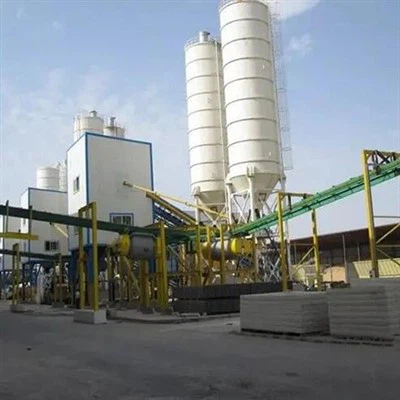
As a supplier of Central Mixing Plants, I've witnessed firsthand the pivotal role that software systems play in the efficient and effective operation of these facilities. In this blog post, I'll delve into the various software systems used in a Central Mixing Plant, exploring their functionalities, benefits, and how they contribute to the overall success of the plant.
Batching Control Software
At the heart of any Central Mixing Plant is the batching control software. This software is responsible for managing the entire batching process, from weighing the raw materials to mixing them in the correct proportions. It ensures that each batch of concrete or other mixtures meets the specified quality standards and production requirements.
One of the key features of batching control software is its ability to precisely measure and control the quantity of each raw material. It uses load cells and other sensors to accurately weigh aggregates, cement, water, and additives, ensuring that the mix design is followed precisely. This not only improves the quality of the final product but also reduces waste and cost.
Another important function of batching control software is its ability to automate the batching process. It can be programmed to start and stop the batching cycle, control the flow of materials, and monitor the mixing process. This reduces the need for manual intervention, increasing efficiency and productivity.
In addition, batching control software often includes features for recipe management, production reporting, and quality control. It allows operators to store and manage different mix designs, track production data, and generate reports on batch quantities, production rates, and quality parameters. This information is invaluable for plant managers, who can use it to optimize production processes, improve quality control, and make informed decisions.
Plant Management Software
In addition to batching control software, Central Mixing Plants also rely on plant management software to oversee the day-to-day operations of the facility. This software provides a comprehensive view of the plant's activities, including production, inventory, maintenance, and quality control.
One of the main functions of plant management software is production scheduling. It allows plant managers to plan and schedule production based on customer orders, available resources, and production capacity. This ensures that the plant operates at maximum efficiency, minimizing downtime and maximizing output.
Plant management software also includes features for inventory management. It tracks the quantity and location of raw materials, finished products, and equipment, allowing managers to optimize inventory levels and reduce waste. It can also generate alerts when inventory levels are low, ensuring that the plant has sufficient supplies to meet production demands.
Another important aspect of plant management software is maintenance management. It schedules and tracks maintenance tasks, such as equipment inspections, repairs, and replacements. This helps to prevent breakdowns and ensure that the plant's equipment is operating at peak performance.
In addition, plant management software often includes features for quality control and compliance. It monitors and records quality parameters, such as strength, slump, and air content, and generates reports on compliance with industry standards and customer specifications. This helps to ensure that the plant produces high-quality products that meet or exceed customer expectations.
Fleet Management Software
For Central Mixing Plants that operate a fleet of trucks or other vehicles, fleet management software is essential. This software helps to manage and optimize the movement of vehicles, ensuring that they are used efficiently and effectively.


One of the key features of fleet management software is vehicle tracking. It uses GPS technology to monitor the location, speed, and direction of vehicles in real-time. This allows fleet managers to track the progress of deliveries, optimize routes, and respond quickly to any issues or delays.
Fleet management software also includes features for driver management. It tracks driver hours, performance, and safety records, allowing managers to ensure that drivers are following regulations and operating vehicles safely. It can also provide training and support to drivers, helping to improve their skills and performance.
In addition, fleet management software often includes features for fuel management. It monitors fuel consumption, identifies areas where fuel efficiency can be improved, and provides recommendations for reducing fuel costs. This helps to reduce the plant's operating expenses and environmental impact.
Quality Control Software
Quality control is a critical aspect of Central Mixing Plant operations, and quality control software plays a vital role in ensuring that the products meet the required standards. This software helps to monitor and manage the quality of raw materials, work-in-progress, and finished products.
One of the main functions of quality control software is to collect and analyze data on quality parameters. It uses sensors and other monitoring devices to measure properties such as strength, slump, air content, and temperature, and stores this data in a database. This data can then be analyzed to identify trends, detect potential issues, and make adjustments to the production process as needed.
Quality control software also includes features for sample management. It tracks the collection, testing, and storage of samples, ensuring that they are representative of the products being produced. It can also generate reports on sample results, providing evidence of compliance with quality standards.
In addition, quality control software often includes features for document management and traceability. It stores and manages all quality-related documents, such as test reports, certificates, and specifications, and provides a complete audit trail of the production process. This helps to ensure that the plant can demonstrate compliance with quality standards and customer requirements.
Conclusion
In conclusion, software systems are essential for the efficient and effective operation of Central Mixing Plants. Batching control software, plant management software, fleet management software, and quality control software all play important roles in ensuring that the plant produces high-quality products, operates at maximum efficiency, and meets customer demands.
As a supplier of Central Mixing Plants, I understand the importance of these software systems and offer a range of solutions to meet the needs of our customers. Whether you're looking for a basic batching control system or a comprehensive plant management solution, we have the expertise and experience to provide you with the right software for your plant.
If you're interested in learning more about our software systems or our Mobile Concrete Batch Plant For Sale, Mini Concrete Batching Plant, or Portable cement batch plant, please don't hesitate to contact us. Our team of experts will be happy to answer your questions and help you find the right solution for your needs.
References
- Concrete Plant Software: A Comprehensive Guide. (n.d.). Retrieved from [Website URL]
- The Role of Software in Central Mixing Plants. (n.d.). Retrieved from [Website URL]
- Fleet Management Software: Benefits and Features. (n.d.). Retrieved from [Website URL]
- Quality Control Software for Concrete Production. (n.d.). Retrieved from [Website URL]