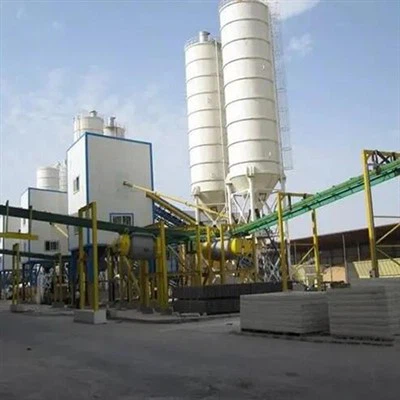
Hey there! As a supplier of Ready Mix Cement Plants, I've seen firsthand the importance of fire prevention in these facilities. Ready mix cement plants are complex operations with various processes and equipment that can pose fire risks. In this blog, I'll share some essential fire prevention measures that every ready mix cement plant should implement.
1. Fire Risk Assessment
The first step in fire prevention is to conduct a thorough fire risk assessment. This involves identifying potential fire hazards in the plant, such as flammable materials, electrical systems, and heating equipment. You need to evaluate the likelihood of a fire occurring and the potential consequences. For example, areas where cement powder is stored can be a fire risk if there are sources of ignition nearby. By understanding the specific fire risks in your plant, you can develop targeted prevention strategies.
2. Employee Training
Your employees are your first line of defense against fires. It's crucial to provide comprehensive fire safety training to all staff members. This training should cover topics like how to recognize fire hazards, how to use fire extinguishers, and the proper evacuation procedures. Regular drills should also be conducted to ensure that everyone knows what to do in case of a fire. For instance, employees should know where the fire exits are and how to operate the emergency alarm system.
3. Electrical System Maintenance
Electrical systems are a common cause of fires in industrial settings, including ready mix cement plants. Faulty wiring, overloaded circuits, and malfunctioning electrical equipment can all lead to electrical fires. To prevent these fires, regular maintenance of the electrical system is essential. This includes inspecting wiring for damage, checking circuit breakers, and ensuring that all electrical equipment is properly grounded. For example, if you notice any frayed wires or signs of overheating, they should be repaired or replaced immediately.


4. Flammable Materials Management
Ready mix cement plants often deal with flammable materials such as fuel for vehicles and machinery, lubricants, and cleaning solvents. These materials should be stored in designated areas that are well-ventilated and away from sources of ignition. The storage areas should also be properly labeled and have appropriate fire protection measures in place, such as fire-resistant cabinets and spill containment systems. For instance, fuel storage tanks should be inspected regularly for leaks and corrosion.
5. Housekeeping
Good housekeeping practices can go a long way in preventing fires. Keeping the plant clean and free of debris reduces the risk of fires starting and spreading. This includes regularly sweeping up dust and debris, removing waste materials, and keeping work areas organized. For example, if there is a buildup of cement dust in the plant, it can act as a fuel for a fire. By keeping the dust under control, you can minimize this risk.
6. Fire Detection and Suppression Systems
Installing reliable fire detection and suppression systems is essential for any ready mix cement plant. Smoke detectors, heat detectors, and fire alarms should be installed throughout the plant to provide early warning of a fire. Automatic sprinkler systems can also be installed in high-risk areas to quickly extinguish fires. These systems should be regularly tested and maintained to ensure that they are in proper working order. For example, the sprinkler system should be inspected annually to check for any blockages or leaks.
7. Equipment Maintenance
All equipment in the ready mix cement plant should be regularly maintained to prevent fires. This includes machinery, vehicles, and conveyor belts. Malfunctioning equipment can generate heat and sparks, which can ignite nearby flammable materials. Regular inspections and servicing of equipment can help identify and fix any potential fire hazards. For instance, the engines of vehicles should be checked for oil leaks and proper functioning of the exhaust system.
8. Hot Work Permits
If any hot work, such as welding or cutting, needs to be done in the plant, a hot work permit system should be in place. This system ensures that proper safety measures are taken before any hot work is started. Before issuing a permit, a fire risk assessment should be conducted, and the area should be cleared of any flammable materials. Fire extinguishers should also be readily available during the hot work, and a fire watch should be assigned to monitor the area for any signs of fire.
9. Emergency Response Plan
Having a well-developed emergency response plan is crucial in case of a fire. The plan should outline the steps to be taken in the event of a fire, including evacuation procedures, emergency contact information, and the roles and responsibilities of each employee. It should also be regularly reviewed and updated to ensure its effectiveness. For example, if there are any changes in the plant layout or equipment, the emergency response plan should be adjusted accordingly.
10. Supplier Collaboration
As a ready mix cement plant supplier, I understand the importance of collaboration. We can work together with plant operators to ensure that the equipment we provide meets the highest fire safety standards. For example, we can offer advice on the proper installation and maintenance of our products to minimize fire risks. Additionally, we can provide training on the safe operation of the equipment.
If you're in the market for a ready mix cement plant, we offer a variety of options to suit your needs. Check out our Portable concrete mixing plant, Precast Concrete Batch Plant, and Wet Batch Concrete Plant. We're committed to providing high-quality equipment that is not only efficient but also safe. If you have any questions or are interested in purchasing a plant, feel free to reach out to us for a detailed discussion.
References
- National Fire Protection Association (NFPA). NFPA 101: Life Safety Code.
- Occupational Safety and Health Administration (OSHA). Fire Prevention in Industrial Occupancies.
- American Concrete Institute (ACI). Guide for Fire Resistance of Concrete and Masonry Structures.