Understanding the technical specifications of a Ready Mix Plant is crucial for anyone involved in the construction industry, whether you're a contractor looking to purchase a plant or a project manager aiming to optimize your concrete production. As a Ready Mix Plant supplier, I've witnessed firsthand the importance of having a clear grasp of these specifications. In this blog post, I'll guide you through the key aspects of understanding the technical specifications of a Ready Mix Plant.
Types of Ready Mix Plants
Before delving into the technical specifications, it's essential to understand the different types of Ready Mix Plants available in the market. The two main types are Central Batching Plants and Volumetric Batching Plants.
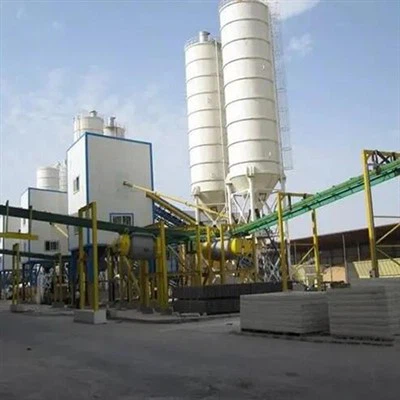
A Central Batching Plant is a stationary plant where all the ingredients for concrete production are batched and mixed at a central location. These plants are known for their high production capacity and are suitable for large-scale construction projects. They typically consist of a storage system for aggregates, cement, and water, a batching system to measure and combine the ingredients, and a mixing unit to produce the concrete.
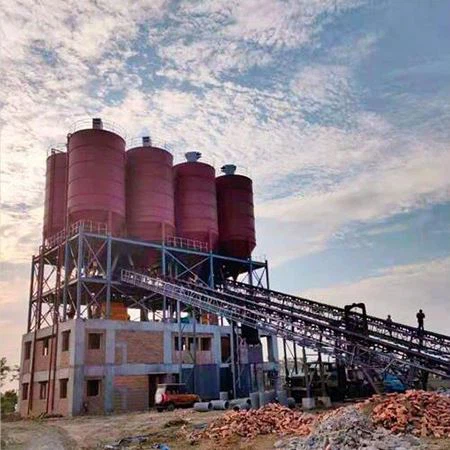

On the other hand, a Volumetric Batching Plant is a mobile plant that measures and mixes the concrete ingredients on-site. This type of plant offers greater flexibility as it can be easily transported to different construction sites. Volumetric batching plants are ideal for small to medium-sized projects where the concrete requirements vary.
Key Technical Specifications
Production Capacity
One of the most important technical specifications of a Ready Mix Plant is its production capacity. This refers to the amount of concrete the plant can produce within a given time frame, usually measured in cubic meters per hour (m³/h). The production capacity of a plant depends on several factors, including the size of the mixing unit, the batching speed, and the efficiency of the conveyor systems.
When choosing a Ready Mix Plant, it's crucial to consider your project's concrete requirements. For large-scale projects, a plant with a high production capacity, such as a Fast Way Concrete Plants, may be necessary to meet the demand. However, for smaller projects, a plant with a lower production capacity may be more cost-effective.
Mixing Technology
The mixing technology used in a Ready Mix Plant plays a significant role in determining the quality of the concrete produced. There are two main types of mixing technologies: planetary mixers and twin-shaft mixers.
Planetary mixers are known for their high mixing efficiency and can produce a homogeneous concrete mix in a relatively short time. These mixers use a combination of rotating blades and a planetary motion to ensure thorough mixing of the ingredients. Twin-shaft mixers, on the other hand, are more robust and can handle larger volumes of concrete. They consist of two parallel shafts with mixing blades that rotate in opposite directions, providing a powerful mixing action.
When evaluating the mixing technology of a Ready Mix Plant, it's important to consider the type of concrete you'll be producing. For projects that require high-strength concrete or a specific mix design, a plant with a more advanced mixing technology may be necessary.
Aggregate Storage and Handling
The aggregate storage and handling system is another critical component of a Ready Mix Plant. Aggregates, such as sand, gravel, and crushed stone, are the main components of concrete and need to be stored and handled properly to ensure consistent quality.
A good Ready Mix Plant should have a sufficient storage capacity for aggregates to meet the production requirements. The storage system should also be designed to prevent segregation and contamination of the aggregates. Additionally, the plant should have an efficient handling system to transport the aggregates from the storage bins to the batching system.
Cement and Admixture Systems
Cement and admixtures are essential ingredients in concrete production and need to be accurately measured and added to the mix. A Ready Mix Plant should have a reliable cement and admixture system to ensure the correct dosage of these materials.
The cement system typically consists of a cement silo for storage and a screw conveyor or pneumatic system for transportation. The admixture system, on the other hand, may include a dosing unit to accurately measure and add the admixtures to the concrete mix.
Control System
The control system of a Ready Mix Plant is responsible for managing the entire production process, from batching to mixing. A modern control system should be user-friendly and provide real-time monitoring and control of the plant's operations.
The control system should also be able to store and retrieve mix designs, allowing for easy adjustment of the concrete recipe based on the project requirements. Additionally, it should have safety features to prevent overloading and other potential hazards.
Evaluating the Technical Specifications
When evaluating the technical specifications of a Ready Mix Plant, it's important to consider your specific needs and requirements. Here are some tips to help you make an informed decision:
- Understand your project requirements: Before choosing a plant, determine the amount of concrete you'll need, the type of concrete mix required, and the project timeline. This will help you select a plant with the appropriate production capacity and mixing technology.
- Compare different models: Research and compare different models of Ready Mix Plants from various suppliers. Look for plants that offer the features and specifications you need at a reasonable price.
- Consider the after-sales service: A reliable supplier should offer comprehensive after-sales service, including installation, training, and maintenance. Make sure to choose a supplier that has a good reputation for providing excellent customer support.
- Request a demonstration: If possible, request a demonstration of the plant in action. This will give you a better understanding of its performance and functionality.
Conclusion
Understanding the technical specifications of a Ready Mix Plant is essential for making an informed decision when purchasing a plant. By considering factors such as production capacity, mixing technology, aggregate storage and handling, cement and admixture systems, and control system, you can select a plant that meets your specific needs and requirements.
As a Ready Mix Plant supplier, I'm committed to providing high-quality plants and excellent customer service. If you're interested in learning more about our products or have any questions about the technical specifications of a Ready Mix Plant, please don't hesitate to contact us. We'll be happy to assist you in finding the right plant for your project.
References
- Concrete Plant Manufacturers Bureau. (n.d.). Technical Specifications of Ready Mix Plants. Retrieved from [Website URL]
- American Concrete Institute. (n.d.). Guide to Selecting a Ready Mix Plant. Retrieved from [Website URL]
- National Ready Mixed Concrete Association. (n.d.). Understanding Ready Mix Plant Technology. Retrieved from [Website URL]