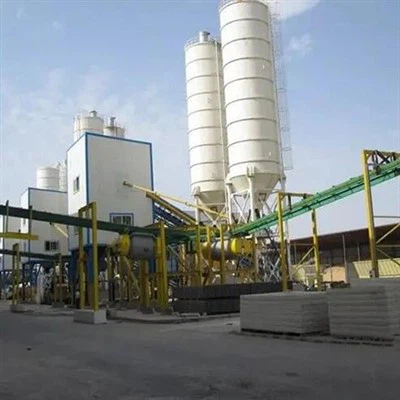
Selecting the right location for a dry mix concrete plant is a critical decision that can significantly impact the success and efficiency of your business. As a supplier of dry mix concrete plants, I've witnessed firsthand the challenges and opportunities that come with choosing an optimal site. In this blog post, I'll share some key factors to consider when selecting a location for your dry mix concrete plant.
Proximity to Raw Materials
One of the most important considerations when choosing a location for a dry mix concrete plant is its proximity to raw materials. Concrete is primarily made from cement, aggregates (such as sand and gravel), and water. Being close to sources of these materials can reduce transportation costs and ensure a steady supply.
Cement is a key ingredient in concrete, and it's often transported in bulk. Look for a location near cement manufacturing plants or major distribution centers. This can help minimize the distance the cement needs to travel, reducing both transportation costs and the risk of supply disruptions.
Aggregates are another essential component of concrete. They are typically sourced from quarries or gravel pits. Selecting a site close to these sources can significantly reduce the cost of transporting aggregates to the plant. Additionally, it can help ensure a consistent quality of aggregates, which is crucial for producing high - quality concrete.
Water is also necessary for the concrete mixing process. A reliable and accessible water source is essential. The plant should be located near a water supply, such as a river, lake, or municipal water system. However, it's important to ensure that the water meets the quality standards required for concrete production.
Accessibility and Transportation
Good transportation links are vital for a dry mix concrete plant. The plant needs to be easily accessible for both incoming raw materials and outgoing finished products.
For incoming raw materials, consider the availability of roads, railways, or waterways. If you plan to transport large quantities of aggregates or cement, rail or water transportation can be more cost - effective than road transport. However, you'll need to ensure that the plant has proper loading and unloading facilities for these modes of transport.
In terms of outgoing products, the plant should be well - connected to major construction sites. Easy access to highways and local roads will allow for efficient delivery of concrete to customers. This can improve customer satisfaction and reduce the time and cost associated with product delivery.
Market Demand
Understanding the market demand in the area is crucial when selecting a location for your dry mix concrete plant. Research the local construction industry, including ongoing and planned construction projects. Look for areas with a high demand for concrete, such as cities with significant infrastructure development, commercial construction, or residential building projects.
A location with strong market demand can ensure a steady flow of orders for your plant. It can also provide opportunities for growth and expansion in the future. Additionally, being close to your target market can reduce delivery times and costs, making your products more competitive.
Zoning and Environmental Regulations
Before finalizing a location, it's essential to understand the local zoning regulations. Zoning laws determine where industrial facilities like dry mix concrete plants can be located. Some areas may have restrictions on the location of such plants due to noise, dust, or other environmental concerns.
You'll need to obtain the necessary permits and approvals from local authorities. This may involve environmental impact assessments, noise and dust control plans, and compliance with other regulatory requirements. Ensuring that the plant complies with all local regulations from the start can prevent costly delays and legal issues in the future.
Site Size and Topography
The size of the site is an important consideration. The plant requires enough space for the mixing equipment, storage facilities for raw materials and finished products, loading and unloading areas, and administrative offices. A larger site can also provide room for future expansion.
The topography of the site is also significant. A relatively flat site is preferable as it simplifies the construction and operation of the plant. It can reduce the cost of site preparation and make it easier to install and maintain the equipment. However, if the site has some slope, proper drainage systems need to be designed to prevent waterlogging.
Availability of Labor
A skilled and reliable workforce is essential for the operation of a dry mix concrete plant. Look for a location where there is an available pool of labor with experience in the concrete industry or related fields. This can include operators, technicians, and administrative staff.
Proximity to local training institutions can also be an advantage. It can provide opportunities for ongoing training and development of your employees, ensuring that they stay up - to - date with the latest industry practices and technologies.
Competing Plants
Assessing the presence of competing dry mix concrete plants in the area is important. If there are already several plants in the vicinity, it may be more challenging to enter the market. However, if you can identify a niche or offer unique products or services, you may still be able to succeed.
On the other hand, being located near other concrete plants can also have some benefits. It can create a cluster effect, where suppliers and customers are more likely to be concentrated in the area. This can lead to better access to resources and a larger customer base.
Our Product Offerings
As a supplier of dry mix concrete plants, we offer a wide range of high - quality products. Our Hzs60 Ready Mix Concrete Batching Plant is a popular choice for medium - scale projects. It is designed for efficient and reliable concrete production, with advanced mixing technology and high - quality components.
We also have a variety of Ready Mix Concrete Batching Plant options suitable for different production capacities and requirements. These plants are built to last and can be customized to meet the specific needs of your business.


For more flexible operations, our Mobile Ready Mix Concrete Plant is an excellent solution. It can be easily transported to different construction sites, providing on - site concrete production.
Conclusion
Selecting the right location for a dry mix concrete plant is a complex process that requires careful consideration of multiple factors. Proximity to raw materials, accessibility, market demand, regulatory compliance, site characteristics, labor availability, and competition all play important roles.
By taking the time to evaluate these factors and make an informed decision, you can increase the chances of success for your dry mix concrete plant. If you're interested in learning more about our dry mix concrete plants or have questions about plant location selection, we encourage you to reach out to us for further discussion and potential procurement. Our team of experts is ready to assist you in making the best choices for your business.
References
- ACI Manual of Concrete Practice. American Concrete Institute.
- ASTM Standards for Concrete and Concrete Aggregates. American Society for Testing and Materials.
- "Construction Materials and Methods" by Edward S. Schwartz.