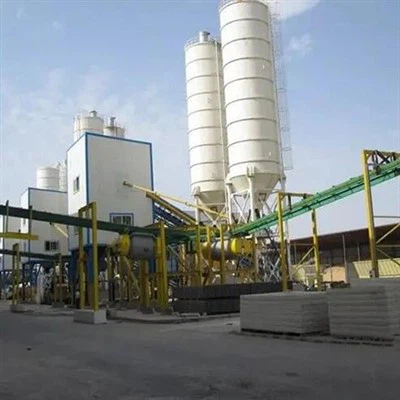
As a seasoned supplier of batching plants, I've witnessed firsthand the challenges that high noise levels pose to both workers and nearby communities. Noise pollution from batching plants can lead to various issues, including hearing loss, stress, and even legal disputes. In this blog post, I'll share some effective strategies on how to reduce the noise level of a batching plant.
Understanding the Sources of Noise in a Batching Plant
Before we delve into the solutions, it's crucial to understand where the noise in a batching plant comes from. The primary sources of noise include:
- Mixing Equipment: The motors and gears in mixers generate significant noise during operation.
- Conveyor Systems: The movement of materials on conveyors, especially when they are loaded or unloaded, can produce loud noises.
- Aggregate Handling: The dumping and movement of aggregates, such as sand and gravel, create a lot of noise.
- Compressors and Pumps: These machines generate high - pitched noises due to the compression and pumping of air and fluids.
1. Equipment Selection and Maintenance
One of the most fundamental steps in noise reduction is choosing the right equipment. When selecting batching plant components, opt for models that are designed with noise reduction in mind. Many modern manufacturers offer equipment with advanced noise - dampening features.
For example, some mixers are equipped with sound - insulated enclosures that can significantly reduce the noise emitted during the mixing process. Similarly, conveyor belts can be designed with low - noise bearings and smooth - running mechanisms.
Regular maintenance is also essential. Worn - out parts, such as belts, gears, and bearings, can increase noise levels. By replacing these parts in a timely manner, you can keep the noise from getting out of control. For instance, a loose belt can cause vibrations and excessive noise, but a simple tightening or replacement can solve the problem.
2. Acoustic Enclosures
Acoustic enclosures are an effective way to contain and reduce noise. These enclosures are built around noisy equipment, such as mixers and compressors. They are made of sound - absorbing materials, such as fiberglass or mineral wool, which can absorb and dampen the sound waves.
When designing acoustic enclosures, it's important to ensure proper ventilation to prevent overheating of the equipment. You can install ventilation fans with silencers to minimize the noise generated by the ventilation system. Also, make sure that the enclosures are well - sealed to prevent sound leakage.


3. Layout and Location
The layout and location of the batching plant can have a significant impact on noise levels. Place noisy equipment away from sensitive areas, such as residential neighborhoods or offices. If possible, use natural barriers, such as hills or trees, to block the noise.
Inside the plant, arrange the equipment in a way that minimizes the interaction between noisy components. For example, keep conveyors and mixers at a reasonable distance from each other to reduce the combined noise effect. You can also create buffer zones between different areas of the plant to absorb and disperse the noise.
4. Noise - Absorbing Materials
Using noise - absorbing materials in the batching plant can help reduce the overall noise level. These materials can be installed on the walls, floors, and ceilings of the plant. Some common noise - absorbing materials include acoustic panels, foams, and carpets.
Acoustic panels are a popular choice as they can be easily installed and come in various shapes and sizes. They work by converting sound energy into heat energy, thus reducing the reflection of sound waves. Foams are also effective, especially for absorbing high - frequency noises.
5. Operator Training
Proper operator training is often overlooked but is crucial for noise reduction. Operators should be trained to operate the equipment in a way that minimizes noise. For example, they should be taught to start and stop the equipment smoothly to avoid sudden loud noises.
They should also be aware of the importance of regular maintenance and report any abnormal noise levels immediately. By involving the operators in the noise - reduction process, you can ensure that the plant operates as quietly as possible.
6. Noise Monitoring
Implementing a noise - monitoring system is essential to track the effectiveness of your noise - reduction measures. Regularly measure the noise levels at different locations in and around the batching plant. This data can help you identify areas where further noise reduction is needed.
There are various noise - monitoring devices available on the market, ranging from simple handheld meters to more sophisticated continuous monitoring systems. By analyzing the data, you can make informed decisions about adjusting your noise - reduction strategies.
7. Community Engagement
Engaging with the local community is an important aspect of noise management. Keep the community informed about your noise - reduction efforts. You can hold public meetings to discuss the steps you are taking to reduce noise and address any concerns they may have.
By being transparent and proactive, you can build a good relationship with the community and minimize the potential for legal disputes related to noise pollution.
Related Products
If you are interested in different types of batching plants, we offer a variety of options. You can learn more about Ready Mix Plant And Central Mix Plant, Mini Concrete Batch Plant, and Wet Batch Concrete Plant. These plants are designed with the latest technology to ensure efficient operation and, in many cases, reduced noise levels.
Conclusion
Reducing the noise level of a batching plant is a multi - faceted challenge that requires a comprehensive approach. By implementing the strategies mentioned above, such as equipment selection, acoustic enclosures, proper layout, and operator training, you can significantly reduce the noise pollution caused by your batching plant.
If you are in the market for a new batching plant or looking to upgrade your existing one, we are here to help. Our team of experts can provide you with customized solutions to meet your specific needs. Contact us today to start a discussion about your batching plant requirements and how we can assist you in achieving a quieter and more efficient operation.
References
- [1] "Industrial Noise Control and Acoustics" by Craig A. Hansen. This book provides in - depth knowledge about noise control techniques in industrial settings.
- [2] "Noise Pollution: A Modern Plague" by Barry L. Barkan. It offers insights into the impact of noise pollution and strategies for mitigation.
- [3] Manufacturer's manuals of batching plant equipment, which often contain information about noise - reduction features and maintenance requirements.