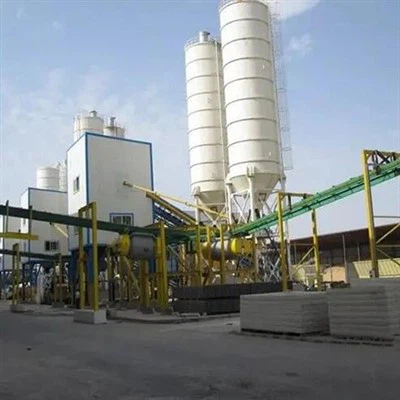
Hey there! As a supplier of cement batching plants, I've seen firsthand how crucial it is to cut down on the production cost of concrete. It's not just about saving money; it's about staying competitive in the market. So, let's dive into some practical ways to achieve that.
1. Optimize Raw Material Procurement
One of the biggest expenses in concrete production is the raw materials. Cement, aggregates, water, and additives all add up. To reduce costs, you need to be smart about how you source these materials.
First off, build strong relationships with your suppliers. Negotiate long - term contracts that offer better prices. By committing to a certain volume over a period, suppliers are often willing to give you a discount. For example, if you can guarantee to buy a large quantity of cement every month, you might get a lower price per ton.


Another thing is to source locally. Transporting raw materials over long distances can be expensive. Aggregates, in particular, are heavy and costly to move. Look for local quarries or suppliers that can provide high - quality aggregates at a lower cost. This not only saves on transportation but also reduces the carbon footprint of your production.
Also, keep an eye on the market prices. The cost of raw materials can fluctuate due to various factors like supply and demand, seasonality, and global economic conditions. Use market analysis tools or subscribe to industry newsletters to stay informed. When prices are low, consider stocking up on materials, but be careful not to overstock as storage can also be a cost.
2. Improve Mix Design
The mix design of concrete plays a huge role in cost reduction. A well - designed mix can use less cement while still meeting the required strength and durability standards.
Work with a professional concrete technologist or engineer to optimize your mix design. They can use advanced software to analyze different combinations of materials and find the most cost - effective one. For example, they might suggest using supplementary cementitious materials (SCMs) like fly ash or slag. These materials can partially replace cement, which is one of the most expensive components in concrete.
Fly ash, a by - product of coal - fired power plants, is often available at a much lower cost than cement. It can improve the workability of concrete and enhance its long - term strength. Slag, from the iron - making process, also has similar benefits. By incorporating these SCMs into your mix, you can reduce the amount of cement needed, thus cutting down on costs.
Another aspect of mix design is to ensure accurate dosing of materials. Use modern batching systems that can precisely measure and control the amount of each component. Inaccurate dosing can lead to over - use of materials, which increases costs. For example, if too much cement is added to the mix, it not only wastes money but can also cause issues like excessive heat generation during curing.
3. Upgrade Equipment
Old and inefficient equipment can be a major drain on your production costs. Upgrading to modern, energy - efficient equipment can lead to significant savings in the long run.
Consider investing in a Sicoma Batching Plant. Sicoma batching plants are known for their high - quality mixing technology. They can mix concrete more efficiently, reducing the mixing time and energy consumption. This means you can produce more concrete in less time with less power.
If you need a more flexible solution, a Mobile Batching Plant For Sale might be a good option. These plants can be easily transported to different job sites, eliminating the need for multiple stationary plants. They also often come with advanced features like automated control systems, which can improve the accuracy of batching and reduce human error.
For precast concrete production, a Precast Concrete Batch Plant can be a great investment. These plants are specifically designed for precast applications, with features that optimize the production process. They can reduce waste, improve quality, and ultimately lower production costs.
Regular maintenance of your equipment is also essential. Well - maintained equipment operates more efficiently and has a longer lifespan. Schedule routine inspections, lubrication, and part replacements to prevent breakdowns and ensure optimal performance.
4. Reduce Waste
Waste is a major cost factor in concrete production. Unused materials, over - produced concrete, and damaged products all contribute to increased costs.
Implement a waste management system in your plant. First, accurately estimate the amount of concrete needed for each project. Over - producing concrete not only wastes materials but also requires additional storage and handling. Use project management tools or historical data to make more accurate estimates.
Recycle any unused concrete or waste materials. For example, crushed concrete can be used as recycled aggregates in new concrete mixes. This not only reduces waste but also saves on the cost of purchasing new aggregates.
Train your staff on waste reduction practices. Make sure they understand the importance of minimizing waste and how to handle materials properly. Simple things like cleaning equipment thoroughly after use to prevent material build - up can also help reduce waste.
5. Enhance Operational Efficiency
Improving the overall operational efficiency of your cement batching plant can lead to cost savings.
Streamline your production process. Identify any bottlenecks or inefficiencies in the workflow and find ways to eliminate them. For example, optimize the layout of your plant to reduce the distance that materials and equipment need to travel. This can save time and energy.
Use automation and digital technologies. Automated batching systems can improve the accuracy and speed of production. They can also reduce the need for manual labor, which can be a significant cost. Implement a digital management system to track production data, inventory levels, and equipment performance. This data can help you make informed decisions to improve efficiency.
Train your employees to be more productive. Provide them with regular training on new technologies, safety procedures, and best practices. A well - trained workforce is more efficient and can help reduce costs by minimizing errors and downtime.
Conclusion
Reducing the production cost of concrete in a cement batching plant is a multi - faceted approach. By optimizing raw material procurement, improving mix design, upgrading equipment, reducing waste, and enhancing operational efficiency, you can significantly cut down on costs.
If you're interested in learning more about how our cement batching plants can help you achieve these cost - reduction goals, feel free to reach out. We're always happy to have a chat and discuss how we can customize a solution for your specific needs.
References
- Neville, A. M. (2011). Properties of Concrete. Pearson Education.
- ACI Manual of Concrete Practice. American Concrete Institute.
- Mehta, P. K., & Monteiro, P. J. M. (2014). Concrete: Microstructure, Properties, and Materials. McGraw - Hill Education.