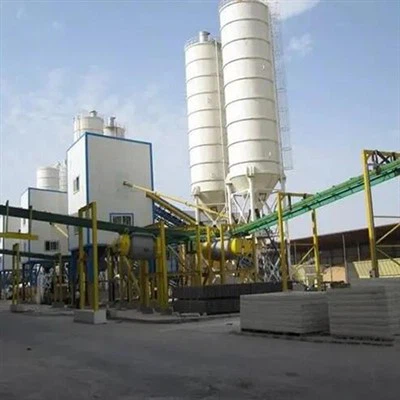
Maintaining the lubrication system of a small batching plant is crucial for ensuring its smooth operation, extending its service life, and minimizing downtime. As a supplier of small batching plants, I understand the significance of proper lubrication maintenance. In this blog post, I will share some essential tips on how to maintain the lubrication system of a small batching plant.
Understanding the Lubrication System
Before delving into maintenance procedures, it's important to understand the basic components of the lubrication system in a small batching plant. The lubrication system typically consists of a lubricant reservoir, pumps, filters, valves, and distribution lines. Its primary function is to supply lubricant to critical components such as bearings, gears, and hydraulic cylinders to reduce friction, prevent wear and tear, and dissipate heat.
Regular Inspections
Regular inspections are the foundation of effective lubrication system maintenance. Here are some key aspects to check during inspections:
- Lubricant Level: Check the lubricant level in the reservoir regularly. Low lubricant levels can lead to inadequate lubrication, which may cause excessive wear and damage to components. If the level is low, refill the reservoir with the recommended lubricant.
- Lubricant Condition: Inspect the lubricant for signs of contamination, such as dirt, water, or metal particles. Contaminated lubricant can reduce its effectiveness and cause damage to components. If the lubricant appears dirty or has an unusual odor, it may need to be changed.
- Filter Condition: Check the filters in the lubrication system for clogging. Clogged filters can restrict the flow of lubricant and reduce its effectiveness. Replace the filters as recommended by the manufacturer.
- Leaks: Look for any signs of lubricant leaks in the system. Leaks can not only waste lubricant but also cause damage to surrounding components. If a leak is detected, repair it immediately.
Lubricant Selection
Choosing the right lubricant is essential for the proper functioning of the lubrication system. Consider the following factors when selecting a lubricant:
- Viscosity: The viscosity of the lubricant determines its flow characteristics. Select a lubricant with the appropriate viscosity for the operating conditions of the batching plant. High-viscosity lubricants are suitable for high-load applications, while low-viscosity lubricants are better for high-speed applications.
- Additives: Some lubricants contain additives that can enhance their performance. For example, anti-wear additives can reduce friction and wear, while anti-oxidant additives can prevent the lubricant from breaking down over time. Choose a lubricant with the appropriate additives for your specific needs.
- Compatibility: Ensure that the lubricant is compatible with the materials used in the lubrication system. Incompatible lubricants can cause damage to seals, gaskets, and other components.
Lubrication Schedule
Establishing a regular lubrication schedule is crucial for maintaining the lubrication system. The lubrication schedule should be based on the manufacturer's recommendations and the operating conditions of the batching plant. Here are some general guidelines:
- Daily Lubrication: Some components, such as bearings and gears, may require daily lubrication. Check the manufacturer's recommendations for the specific lubrication requirements of these components.
- Weekly Lubrication: Other components, such as hydraulic cylinders, may require weekly lubrication. Follow the manufacturer's instructions for the proper lubrication procedure.
- Monthly Lubrication: Some components, such as the lubricant reservoir, may require monthly maintenance. This may include checking the lubricant level, changing the lubricant, and inspecting the filters.
Cleaning and Flushing
Periodically cleaning and flushing the lubrication system can help remove contaminants and ensure its proper functioning. Here are the steps to follow:
- Drain the Lubricant: Drain the old lubricant from the reservoir and all other components of the lubrication system.
- Clean the Components: Use a suitable cleaning agent to clean the reservoir, filters, pumps, and other components of the lubrication system. Rinse the components thoroughly with clean water.
- Flush the System: Fill the lubrication system with a flushing fluid and run the system for a specified period of time to remove any remaining contaminants. Drain the flushing fluid and refill the system with the recommended lubricant.
Training and Education
Proper training and education of the operators and maintenance personnel are essential for the effective maintenance of the lubrication system. Provide training on the following topics:
- Lubrication System Basics: Teach the operators and maintenance personnel about the components and functions of the lubrication system.
- Lubricant Selection and Handling: Provide training on how to select the right lubricant for the specific application and how to handle it safely.
- Inspection and Maintenance Procedures: Train the operators and maintenance personnel on how to perform regular inspections and maintenance procedures on the lubrication system.
Conclusion
Maintaining the lubrication system of a small batching plant is essential for its smooth operation, extended service life, and minimized downtime. By following the tips outlined in this blog post, you can ensure that your lubrication system is properly maintained and functioning at its best.


If you are in the market for a small batching plant or need further assistance with lubrication system maintenance, please feel free to [contact us]([your contact page URL]). Our team of experts is ready to help you find the right solution for your needs.
References
- Manufacturer's manuals for small batching plants
- Industry standards and guidelines for lubrication system maintenance
- Technical literature on lubricants and lubrication systems