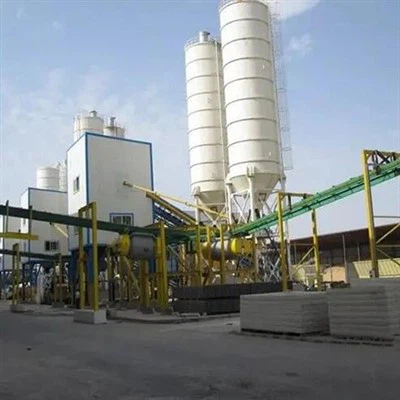
Optimizing the mixing time of a Mixer Batching Plant is crucial for ensuring the quality and efficiency of concrete production. As a leading supplier of Mixer Batching Plants, we understand the significance of this factor and are committed to providing our customers with the best solutions. In this blog, we will delve into the various aspects of optimizing the mixing time and offer practical tips based on our extensive experience in the industry.
Understanding the Importance of Mixing Time
The mixing time in a Mixer Batching Plant directly affects the homogeneity and workability of the concrete. Insufficient mixing time can lead to uneven distribution of aggregates, cement, and water, resulting in a concrete mix with inconsistent properties. This can compromise the strength, durability, and overall quality of the final product. On the other hand, excessive mixing time not only consumes more energy but also may cause the concrete to lose its workability and set prematurely.
Factors Affecting Mixing Time
Several factors influence the optimal mixing time in a Mixer Batching Plant. These include the type and size of the mixer, the properties of the raw materials, the desired concrete mix design, and the production capacity requirements.
- Type and Size of the Mixer: Different types of mixers, such as twin - shaft mixers, planetary mixers, and pan mixers, have different mixing efficiencies. Larger mixers generally require longer mixing times to ensure uniform mixing throughout the entire batch. For example, a twin - shaft mixer is known for its high - intensity mixing action and can achieve a more homogeneous mix in a relatively shorter time compared to some other types of mixers.
- Properties of Raw Materials: The characteristics of the aggregates, cement, and water used in the concrete mix play a significant role in determining the mixing time. Aggregates with irregular shapes or a wide range of particle sizes may require more time to be evenly distributed in the mix. Similarly, different types of cement have different hydration rates, which can affect the mixing process. For instance, high - early - strength cement may require a slightly different mixing approach compared to ordinary Portland cement.
- Desired Concrete Mix Design: The specific requirements of the concrete mix, such as the slump, strength grade, and the presence of admixtures, also impact the mixing time. A mix with a high slump may need more mixing to ensure proper fluidity, while a mix with admixtures, such as superplasticizers, may require additional time to allow the admixture to fully disperse and interact with the other components of the mix.
- Production Capacity Requirements: In a commercial Mixer Batching Plant, the need to meet high - volume production targets can sometimes conflict with the ideal mixing time. However, it is essential to find a balance between production speed and mix quality. Compromising on mixing time to increase production may lead to sub - standard concrete, which can result in costly rework and potential legal issues.
Strategies for Optimizing Mixing Time
Based on our experience as a Mixer Batching Plant supplier, we recommend the following strategies to optimize the mixing time:


- Conduct a Thorough Mixer Evaluation: Before starting the production process, it is important to evaluate the performance of the mixer. Check for any mechanical issues, such as worn - out blades or improper alignment, which can affect the mixing efficiency. Regular maintenance and calibration of the mixer are essential to ensure its optimal operation.
- Pre - wetting the Aggregates: Pre - wetting the aggregates can significantly reduce the mixing time. When the aggregates are pre - wet, the water is more evenly distributed among the particles, and the cement can start to hydrate more quickly. This can lead to a more homogeneous mix in a shorter period.
- Use of Admixtures Wisely: Admixtures can be used to improve the workability and reduce the mixing time of the concrete. For example, superplasticizers can increase the fluidity of the mix, allowing for a more rapid and uniform distribution of the components. However, it is important to follow the manufacturer's recommendations regarding the dosage and addition time of the admixtures.
- Optimize the Loading Sequence: The order in which the raw materials are loaded into the mixer can also affect the mixing time. Generally, it is recommended to load the aggregates first, followed by the cement, and then the water. This sequence allows the aggregates to be coated with the cement before the water is added, promoting better dispersion and hydration.
- Monitor and Adjust the Mixing Process: Continuously monitor the mixing process using sensors and quality control measures. For example, measuring the temperature, slump, and density of the concrete at regular intervals can provide valuable information about the progress of the mixing. Based on these measurements, adjustments can be made to the mixing time or other parameters as needed.
Case Studies
To illustrate the effectiveness of optimizing the mixing time, let's consider a few case studies.
- Case Study 1: A Construction Project Using Ready Mix Concrete Batching Plant: A large - scale construction project was using a ready - mix concrete batching plant. Initially, the mixing time was set based on general guidelines, but the concrete quality was inconsistent. After conducting a detailed analysis of the raw materials and the mixer performance, the mixing time was adjusted. By pre - wetting the aggregates and optimizing the loading sequence, the mixing time was reduced by 15%, while the quality of the concrete improved significantly. This led to faster construction progress and cost savings.
- Case Study 2: A Small - scale Operation with Small Concrete Plant: A small - scale concrete plant was struggling to meet the production targets while maintaining the quality of the concrete. The plant was using a small - capacity mixer. By upgrading the mixer to a more efficient twin - shaft mixer and implementing a more precise mixing process, including the use of admixtures, the mixing time was reduced by 20%. This allowed the plant to increase its production capacity without sacrificing the quality of the concrete.
- Case Study 3: A wet mix concrete batch plant: In a wet mix concrete batch plant, the mixing time was a critical factor due to the high - volume production requirements. By implementing real - time monitoring of the mixing process and adjusting the mixing time based on the properties of the raw materials, the plant was able to achieve a more consistent mix quality. This led to a reduction in the number of rejected batches and an overall improvement in the plant's efficiency.
Conclusion
Optimizing the mixing time of a Mixer Batching Plant is a complex but essential task. By understanding the factors that affect mixing time and implementing the strategies outlined in this blog, you can improve the quality and efficiency of your concrete production. As a Mixer Batching Plant supplier, we are dedicated to providing our customers with the latest technology and expertise to help them achieve optimal mixing results.
If you are interested in learning more about our Mixer Batching Plants or need assistance in optimizing the mixing time for your specific application, we invite you to contact us for a detailed discussion. Our team of experts is ready to work with you to find the best solutions for your concrete production needs.
References
- Neville, A. M. (2011). Properties of Concrete. Pearson Education.
- ACI Committee 211. (2014). Standard Practice for Selecting Proportions for Normal, Heavyweight, and Mass Concrete. American Concrete Institute.
- Mindess, S., Young, J. F., & Darwin, D. (2003). Concrete. Prentice Hall.