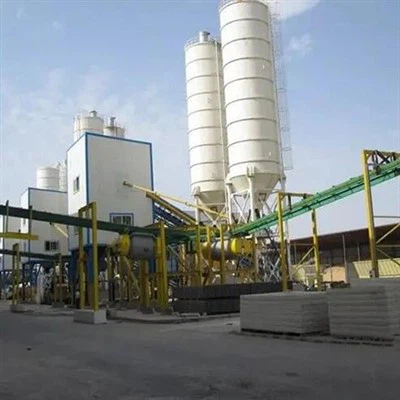
Measuring the pressure inside a batching plant silo is a crucial aspect of ensuring the safe and efficient operation of these storage units. As a supplier of Batching Plant Silos, I understand the significance of accurate pressure measurement and its impact on the overall performance of the batching plant. In this blog post, I will discuss the various methods and techniques used to measure the pressure inside a batching plant silo, along with their advantages and limitations.
Why Measure Pressure in Batching Plant Silos?
Before delving into the measurement methods, it's important to understand why pressure measurement is necessary in batching plant silos. Silos are used to store various materials such as cement, fly ash, and aggregates. These materials are often stored in large quantities, and the pressure exerted by the stored material can have a significant impact on the structural integrity of the silo.
Excessive pressure can lead to structural damage, including bulging, cracking, or even collapse of the silo. On the other hand, insufficient pressure can result in material flow problems, such as bridging or rat-holing, which can disrupt the batching process and affect the quality of the final product. Therefore, accurate pressure measurement is essential for maintaining the safety and efficiency of the batching plant.
Methods of Measuring Pressure in Batching Plant Silos
There are several methods available for measuring the pressure inside a batching plant silo. Each method has its own advantages and limitations, and the choice of method depends on various factors such as the type of material stored, the size and design of the silo, and the required accuracy of the measurement.
1. Pressure Sensors
Pressure sensors are one of the most commonly used methods for measuring pressure in batching plant silos. These sensors work by converting the pressure exerted by the stored material into an electrical signal, which can be measured and recorded. There are several types of pressure sensors available, including strain gauge sensors, piezoelectric sensors, and capacitive sensors.
- Strain Gauge Sensors: Strain gauge sensors work by measuring the deformation of a metal element caused by the pressure exerted by the stored material. The deformation is proportional to the pressure, and the electrical resistance of the strain gauge changes accordingly. This change in resistance is measured and converted into a pressure reading. Strain gauge sensors are relatively inexpensive and easy to install, but they may be affected by temperature changes and mechanical vibrations.
- Piezoelectric Sensors: Piezoelectric sensors work by generating an electrical charge when subjected to pressure. The charge is proportional to the pressure, and it can be measured and converted into a pressure reading. Piezoelectric sensors are highly sensitive and can measure very small changes in pressure. However, they are more expensive than strain gauge sensors and may require special signal conditioning equipment.
- Capacitive Sensors: Capacitive sensors work by measuring the change in capacitance between two electrodes caused by the pressure exerted by the stored material. The change in capacitance is proportional to the pressure, and it can be measured and converted into a pressure reading. Capacitive sensors are highly accurate and can measure a wide range of pressures. However, they are more expensive than strain gauge sensors and may be affected by moisture and dust.
2. Load Cells
Load cells are another commonly used method for measuring pressure in batching plant silos. These cells work by measuring the weight of the stored material, which is directly related to the pressure exerted by the material. Load cells are typically installed at the base of the silo, and they measure the force exerted by the silo and its contents on the support structure.
Load cells are highly accurate and can measure the weight of the stored material with a high degree of precision. They are also relatively easy to install and maintain. However, load cells may be affected by factors such as temperature changes, mechanical vibrations, and uneven loading of the silo.
3. Pressure Transmitters
Pressure transmitters are similar to pressure sensors, but they are designed to convert the pressure signal into a standard electrical signal, such as 4-20 mA or 0-10 V. This standard signal can be easily transmitted to a control system or a data logger for further processing and analysis.
Pressure transmitters are often used in conjunction with pressure sensors to provide a more accurate and reliable pressure measurement. They are also more suitable for use in industrial applications, where the pressure signal needs to be transmitted over long distances.


Advantages and Limitations of Each Method
Each method of measuring pressure in batching plant silos has its own advantages and limitations. The choice of method depends on various factors such as the type of material stored, the size and design of the silo, and the required accuracy of the measurement.
- Pressure Sensors: Pressure sensors are relatively inexpensive and easy to install. They can measure a wide range of pressures and are suitable for use in most types of silos. However, they may be affected by temperature changes, mechanical vibrations, and moisture.
- Load Cells: Load cells are highly accurate and can measure the weight of the stored material with a high degree of precision. They are also relatively easy to install and maintain. However, they may be affected by factors such as temperature changes, mechanical vibrations, and uneven loading of the silo.
- Pressure Transmitters: Pressure transmitters are more accurate and reliable than pressure sensors. They can convert the pressure signal into a standard electrical signal, which can be easily transmitted to a control system or a data logger. However, they are more expensive than pressure sensors and may require special signal conditioning equipment.
Considerations for Choosing the Right Method
When choosing a method for measuring pressure in a batching plant silo, it's important to consider the following factors:
- Type of Material: The type of material stored in the silo can have a significant impact on the choice of measurement method. For example, materials that are prone to bridging or rat-holing may require a different measurement method than materials that flow freely.
- Size and Design of the Silo: The size and design of the silo can also affect the choice of measurement method. For example, large silos may require a more accurate and reliable measurement method than small silos.
- Required Accuracy: The required accuracy of the measurement is another important factor to consider. For example, applications that require a high degree of accuracy may require a more expensive and sophisticated measurement method.
- Cost: The cost of the measurement method is also an important consideration. It's important to choose a method that provides the required accuracy and reliability at a reasonable cost.
Conclusion
Measuring the pressure inside a batching plant silo is a crucial aspect of ensuring the safe and efficient operation of these storage units. There are several methods available for measuring pressure, including pressure sensors, load cells, and pressure transmitters. Each method has its own advantages and limitations, and the choice of method depends on various factors such as the type of material stored, the size and design of the silo, and the required accuracy of the measurement.
As a supplier of Batching Plant Silos, I can provide you with the latest information and technology on pressure measurement in silos. If you are interested in learning more about our products and services, or if you have any questions or concerns, please contact us for more information. We look forward to hearing from you and helping you find the right solution for your batching plant needs.
References
- ASAE Standards. (2010). Agricultural and food processing equipment. American Society of Agricultural and Biological Engineers.
- Brown, R. L. (1997). Principles of powder technology. Butterworth-Heinemann.
- Chen, J., & Liu, Y. (2014). Pressure measurement in silos: A review. Journal of Stored Products Research, 56, 1-12.
- EN 1991-4:2006. Eurocode 1: Actions on structures - Part 4: Silos and tanks. European Committee for Standardization.
- Jenike, A. W. (1964). Storage and flow of solids. Utah Engineering Experiment Station.