

Hey there! As a supplier of Dry Batching Plants, I've seen firsthand how crucial it is to operate these plants correctly. A dry batching plant is a key piece of equipment in the construction industry, used to produce high - quality concrete efficiently. In this blog, I'll share some tips on how to operate a dry batching plant correctly.
Pre - operation Checks
Before you start up the dry batching plant, you need to do a series of pre - operation checks. First, inspect the entire plant for any visible signs of damage or wear. Check the conveyor belts to make sure they are in good condition and properly aligned. Any misalignment can cause the materials to spill, leading to waste and potential safety hazards.
Also, examine the storage bins. Ensure that they are clean and free from any blockages. The bins are where the raw materials like cement, aggregates, and additives are stored. If there are blockages, it can disrupt the flow of materials during the batching process.
Another important check is the weighing system. The accuracy of the weighing system is vital for producing consistent and high - quality concrete. Make sure the load cells are calibrated correctly. You can do a simple test by weighing a known mass and comparing the reading with the actual value. If there are any discrepancies, you need to adjust or repair the weighing system.
Material Handling
Proper material handling is essential for the smooth operation of a dry batching plant. When it comes to aggregates, they should be stored in separate piles according to their size and type. This helps in accurate batching. For example, coarse aggregates and fine aggregates should be kept apart.
When loading the aggregates into the plant, use the appropriate equipment. A front - end loader is commonly used for this purpose. Make sure the loader operator is trained to handle the aggregates gently to avoid excessive segregation. Segregation can lead to inconsistent concrete quality.
Cement is another critical material. It should be stored in a dry place to prevent it from caking. When transferring cement from the storage silo to the batching system, use a screw conveyor or a pneumatic conveying system. These systems ensure a continuous and controlled flow of cement.
Batching Process
The batching process is the heart of the dry batching plant. First, set the correct batching ratios according to the concrete mix design. You can refer to the project specifications or industry standards for the appropriate ratios.
Start by weighing the aggregates. The weighing should be done accurately, as even a small deviation can affect the concrete quality. Once the aggregates are weighed, they are transferred to the mixer.
Next, weigh the cement and additives. Additives are used to improve the properties of the concrete, such as workability, strength, and durability. The amount of additives should be carefully measured according to the manufacturer's recommendations.
After all the materials are weighed, they are discharged into the mixer. The mixer should be operated at the correct speed and for the appropriate duration. The mixing time depends on the type of mixer and the concrete mix design. Generally, it ranges from 30 seconds to 2 minutes.
Mixer Operation
The mixer is a crucial component of the dry batching plant. There are different types of mixers, such as twin - shaft mixers and planetary mixers. Each type has its own operating characteristics.
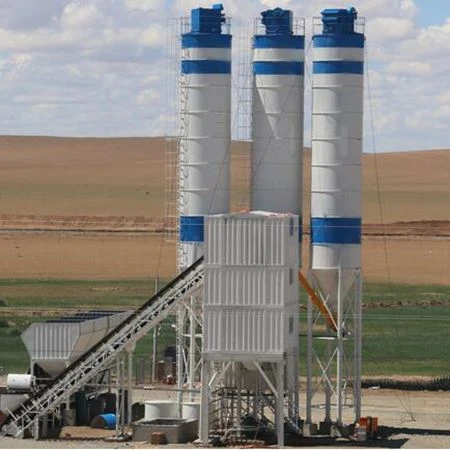

Before starting the mixer, make sure it is clean. Any residual concrete from the previous batch can affect the quality of the new batch. Start the mixer at a low speed and gradually increase it to the operating speed.
During the mixing process, monitor the mixer closely. Check for any abnormal noises or vibrations. Abnormal noises can indicate a problem with the mixer's bearings or gears. If you notice any issues, stop the mixer immediately and investigate the cause.
After the mixing is complete, discharge the concrete from the mixer as soon as possible. Delayed discharge can cause the concrete to start setting, which can lead to problems during placement.
Safety Measures
Safety should always be a top priority when operating a dry batching plant. All operators should wear appropriate personal protective equipment (PPE), such as hard hats, safety glasses, and steel - toed boots.
The plant should be equipped with safety guards around moving parts, such as conveyor belts and mixers. These guards prevent operators from coming into contact with the moving parts, reducing the risk of accidents.
Have a fire prevention plan in place. Since there are electrical components and combustible materials like cement dust in the plant, there is a risk of fire. Install fire extinguishers at strategic locations and train the operators on how to use them.
Maintenance
Regular maintenance is essential for the long - term operation of a dry batching plant. Create a maintenance schedule and stick to it.
Inspect the conveyor belts regularly for any signs of wear, such as fraying or cracking. Replace the belts if necessary. Check the rollers and pulleys of the conveyor system to ensure they are rotating freely.
The mixer also requires regular maintenance. Lubricate the bearings and gears according to the manufacturer's recommendations. Clean the mixer after each use to prevent the build - up of concrete.
For the weighing system, check the wiring and connections regularly. Loose connections can cause inaccurate weighing.
Troubleshooting
Even with proper operation and maintenance, problems can still occur in a dry batching plant. One common problem is blockages in the material conveying system. If you notice a blockage, stop the plant immediately and locate the blockage. Use appropriate tools to clear the blockage carefully.
Another issue is inaccurate weighing. If the weighing system is giving incorrect readings, check the load cells, wiring, and calibration. Sometimes, a simple calibration adjustment can solve the problem.
If the mixer is not mixing the concrete properly, check the mixing blades. They may be worn out and need to be replaced. Also, make sure the mixer is operating at the correct speed.
In conclusion, operating a dry batching plant correctly requires attention to detail, proper material handling, and regular maintenance. By following these tips, you can ensure the efficient and safe operation of your plant, and produce high - quality concrete for your construction projects.
If you're interested in learning more about dry batching plants, including Concrete Batching Plant Price, On Site Batching Plant, and Central Mix Concrete Plant, feel free to reach out. We're here to help you with all your dry batching plant needs. Whether you're looking to purchase a new plant or need advice on operating your existing one, we can assist you. Contact us for more information and let's start a productive conversation about your requirements.
References
- Concrete Industry Manual.
- Manufacturer's manuals for dry batching plant equipment.
- Construction safety guidelines.


