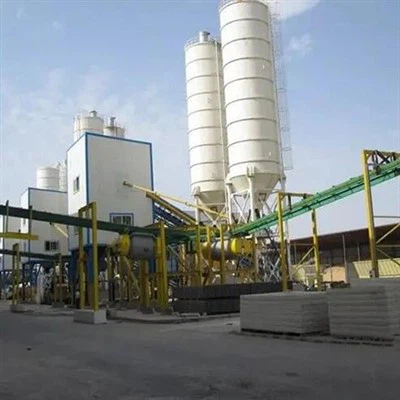
Hey there! As a supplier of Wet Mix Concrete Plants, I've seen firsthand how important it is to keep the dust collector in top - notch condition. A well - maintained dust collector not only ensures the smooth operation of your plant but also contributes to a healthier and safer working environment. So, let's dive into how you can clean the dust collector in a wet mix concrete plant.
Why Cleaning the Dust Collector Matters
First off, you might be wondering why it's such a big deal to clean the dust collector. Well, in a wet mix concrete plant, a whole bunch of dust is generated during the mixing and batching processes. If the dust collector isn't cleaned regularly, all that dust can build up. This buildup can lead to reduced efficiency of the dust collector. As a result, it won't be able to capture dust as effectively, and you'll end up with more dust floating around in the air. This is not only bad for the machinery in the plant but also for the health of the workers.
Pre - cleaning Preparations
Before you start the actual cleaning process, there are a few things you need to do. First, shut down the wet mix concrete plant. You don't want any machinery running while you're cleaning the dust collector, as it can be dangerous. Make sure to follow the proper shutdown procedures for your plant.
Next, gather all the tools you'll need. You'll probably need a vacuum cleaner, a brush (preferably a stiff one), some cleaning solvents if necessary, and safety equipment like gloves and a dust mask. Safety should always be your top priority when working with a dust collector.
Cleaning the Filter Bags
The filter bags are a crucial part of the dust collector. They're responsible for capturing most of the dust. Over time, these bags can get clogged with dust, which reduces their effectiveness.
To clean the filter bags, start by removing them from the dust collector. Be careful when handling them, as they can be heavy and full of dust. Once you've removed the bags, gently tap them to dislodge any loose dust. You can also use a brush to clean the surface of the bags. If the bags are really dirty, you might need to soak them in a cleaning solution. But make sure to use a solution that's recommended for the type of filter bags you have.
After cleaning, let the filter bags dry completely before putting them back into the dust collector. If you put them back wet, it can cause problems like mold growth and reduced filtration efficiency.
Cleaning the Hopper
The hopper is the part of the dust collector where the collected dust is stored. Over time, the dust in the hopper can harden, making it difficult to remove.
Use a vacuum cleaner to suck up as much loose dust as possible from the hopper. Then, use a brush to scrub the sides of the hopper to remove any stubborn dust. If there's a lot of hardened dust, you might need to use a scraper or a putty knife to break it up.
It's also a good idea to check the hopper for any signs of damage, like cracks or holes. If you find any damage, it's important to repair it as soon as possible to prevent dust from leaking out.
Inspecting and Cleaning the Fans
The fans in the dust collector are responsible for moving the air through the system. If the fans are dirty, they won't be able to function properly.
Inspect the fans for any dust buildup. You can use a brush to clean the blades of the fans. Make sure to clean both the front and back of the blades. If the fans are really dirty, you might need to remove them for a more thorough cleaning.
While you're inspecting the fans, also check the belts and bearings. Make sure the belts are tight and in good condition, and the bearings are lubricated. If you notice any problems with the belts or bearings, it's best to replace them before they cause bigger issues.
Checking the Pneumatic System
In many dust collectors, a pneumatic system is used to clean the filter bags. This system uses compressed air to blow the dust off the bags.
Check the pneumatic system for any leaks. You can do this by listening for hissing sounds or using a leak detector. If you find a leak, repair it immediately. Also, check the valves and fittings in the pneumatic system to make sure they're working properly.
Post - cleaning Checks
Once you've finished cleaning the dust collector, it's important to do a few post - cleaning checks. First, make sure all the parts are properly reassembled. Check that the filter bags are installed correctly and the hopper is securely in place.
Then, start up the dust collector and let it run for a few minutes. Listen for any unusual noises or vibrations. If you notice anything out of the ordinary, shut down the dust collector and investigate the problem.


Regular Maintenance Schedule
To keep your dust collector in good condition, it's important to have a regular maintenance schedule. Depending on how often your wet mix concrete plant is in operation, you might need to clean the dust collector once a week or once a month.
In addition to regular cleaning, also make sure to replace the filter bags and other parts as recommended by the manufacturer. This will ensure that your dust collector continues to function efficiently for a long time.
The Benefits of a Clean Dust Collector
A clean dust collector has a lot of benefits for your wet mix concrete plant. It helps to improve the air quality in the plant, which is better for the health of your workers. It also reduces the risk of machinery breakdowns, as dust can cause wear and tear on the equipment.
Moreover, a well - maintained dust collector can improve the overall efficiency of your wet mix concrete plant. This means you'll be able to produce more concrete in less time, which is great for your bottom line.
Related Products
If you're looking for high - quality wet mix concrete plants or related equipment, we've got you covered. Check out our Pan Mixer Batching Plant, which is a great option for many concrete production needs. We also offer a wide range of Concrete Batching Plants to suit different requirements. And if you need a high - capacity plant, our 150m³/H cement concrete batching plant might be just what you're looking for.
Let's Talk
If you have any questions about cleaning the dust collector in your wet mix concrete plant or if you're interested in purchasing our products, don't hesitate to get in touch. We're always here to help you make the best decisions for your concrete production needs.
References
- Industry standards for dust collector maintenance in concrete plants.
- Manufacturer's manuals for wet mix concrete plants and dust collectors.