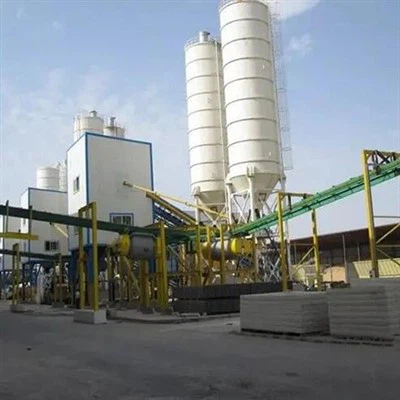
Hey there! As a supplier of Dry Batching Plants, I've had my fair share of experiences dealing with all sorts of questions about how to operate these plants efficiently. One of the most common queries I get is about adjusting the proportion of materials in a dry batching plant. It's a crucial aspect that can make or break the quality of the final product, so I'm here to share some tips and tricks based on my years in the business.
First off, let's talk about why adjusting the material proportion is so important. In a dry batching plant, you're mixing different materials like cement, aggregates (sand, gravel), and sometimes additives to create a homogeneous mixture. The right proportion ensures that the concrete or other building materials you produce have the desired strength, workability, and durability. If the proportions are off, you might end up with a product that's too weak, too brittle, or just doesn't perform as expected.
Now, the process of adjusting the material proportion starts with understanding the requirements of the project. Different construction projects have different specifications for the concrete or building materials they need. For example, a high - rise building might require concrete with a higher strength, which means you'll need to adjust the amount of cement and aggregates accordingly. You should always refer to the project's design documents or consult with the engineers to get the exact mix design.
Once you have the mix design, it's time to set up your dry batching plant. Most modern dry batching plants come with advanced control systems that allow you to precisely measure and control the amount of each material. These systems use load cells and sensors to weigh the materials accurately. When you're setting up the plant, make sure that all the weighing equipment is calibrated correctly. Incorrect calibration can lead to inaccurate material proportions, even if you're following the mix design perfectly.
Let's start with cement. Cement is the binding agent in the mixture, and getting the right amount is crucial. Too little cement, and the concrete won't have enough strength. Too much, and it can be costly and might cause issues like cracking due to excessive heat generation during the curing process. In your control system, set the target weight for cement based on the mix design. The plant's feeding system will then deliver the cement to the mixer. Keep an eye on the actual weight during the batching process to make sure it matches the target.
Next up are the aggregates. Aggregates make up the bulk of the concrete mixture, and their proportion affects both the strength and the workability of the final product. Sand is usually finer and helps to fill in the gaps between the coarser gravel particles. The ratio of sand to gravel can vary depending on the project requirements. For example, if you need a more workable concrete, you might increase the proportion of sand. Similar to cement, set the target weights for sand and gravel in the control system and monitor the actual weights during batching.
Additives are another factor to consider. There are different types of additives, such as water - reducers, retarders, and accelerators. Water - reducers can help you reduce the amount of water in the mixture while maintaining the workability, which in turn can increase the strength of the concrete. Retarders slow down the setting time, which is useful in hot weather or for large - scale projects where you need more time to place and finish the concrete. Accelerators, on the other hand, speed up the setting time, which can be beneficial in cold weather or when you need to meet tight construction schedules.
When using additives, follow the manufacturer's instructions carefully. The amount of additive required is usually specified as a percentage of the cement weight. Add the additive at the right time during the batching process. Some additives need to be added along with the water, while others can be added directly to the mixer.


Now, let's talk about some common challenges you might face when adjusting the material proportion. One of the biggest challenges is dealing with variations in the moisture content of the aggregates. Aggregates can absorb moisture from the environment, and this can affect their weight. For example, if the sand is wet, it will weigh more than dry sand, even if the volume is the same. To account for this, you can use moisture sensors in your plant to measure the moisture content of the aggregates. Then, adjust the amount of water in the mixture accordingly. If the aggregates are wet, you'll need to reduce the amount of added water to maintain the correct water - cement ratio.
Another challenge is ensuring consistency in the material proportion over time. As the plant operates, there might be wear and tear on the equipment, which can affect the accuracy of the weighing and feeding systems. Regular maintenance and calibration of the equipment are essential to ensure consistent performance. Make a schedule for maintenance and calibration, and stick to it.
If you're looking for a reliable dry batching plant, we offer a range of options to suit different needs. For high - volume production, our 240m³/H automatic concrete batching plant is a great choice. It's equipped with state - of - the - art control systems that make it easy to adjust and maintain the material proportions. If you're working on roller - compacted concrete projects, our Rcc Batching Plant is designed specifically for that purpose. And for a versatile solution that can handle different types of mixes, our Universal Batching Plant is worth considering.
In conclusion, adjusting the proportion of materials in a dry batching plant is a complex but essential process. By understanding the project requirements, using the right equipment, and following proper procedures, you can ensure that you produce high - quality building materials. If you have any questions about our dry batching plants or need help with adjusting the material proportions, don't hesitate to reach out. We're here to assist you in making your construction projects a success. Contact us today to start a conversation about your specific needs and how we can help you get the most out of your dry batching plant.
References:
- "Concrete Technology: Principles, Properties, and Materials" by Mindess, Young, and Darwin
- Manufacturer's manuals for dry batching plant equipment
- Industry standards and guidelines for concrete mix design