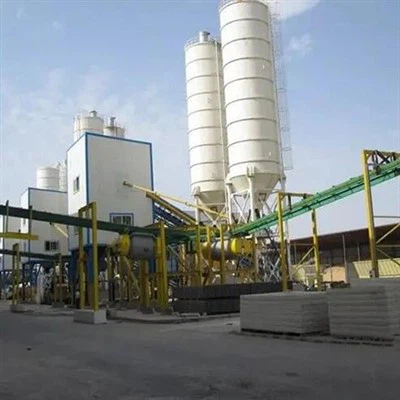
As a supplier of small batching plants, I often get asked whether these compact setups are suitable for residential building construction. The short answer is yes, and in this blog post, I'll delve into the details of why small batching plants can be a great fit for residential projects.
Advantages of Using a Small Batching Plant for Residential Construction
Cost - Effectiveness
One of the most significant advantages of a small batching plant for residential building construction is cost - effectiveness. Residential projects usually have a more limited budget compared to large - scale commercial or infrastructure projects. Small batching plants are generally more affordable to purchase and operate. You can refer to our Batching Plant Cost page to get a better understanding of the cost factors involved. These plants require less initial investment in terms of equipment purchase, and their operating costs, including energy consumption and maintenance, are also relatively low. For a small - to - medium - sized residential building project, using a small batching plant can save a substantial amount of money on concrete procurement.
Flexibility
Small batching plants offer a high degree of flexibility. They can be easily adjusted to produce different quantities of concrete according to the specific needs of the residential project. Whether you are building a single - family home or a small apartment complex, you can control the amount of concrete produced at any given time. This is in contrast to large - scale batching plants, which are often designed to produce large volumes of concrete continuously. Additionally, small batching plants can be configured to produce different types of concrete mixes, such as standard concrete, high - strength concrete, or decorative concrete, to meet the diverse requirements of residential construction.
On - Site Production
On - site production of concrete using a small batching plant is a major advantage for residential building construction. It eliminates the need for transporting concrete from a remote batching plant to the construction site. This not only reduces the risk of concrete setting during transit but also allows for immediate use of freshly mixed concrete. On - site production also enables construction teams to have better control over the quality of the concrete. They can monitor the mixing process closely, adjust the mix proportions as needed, and ensure that the concrete meets the required standards.


Space - Saving
Residential construction sites are often limited in space. Small batching plants are designed to be compact and take up less space compared to their larger counterparts. They can be easily installed on a relatively small area of the construction site, leaving more space for other construction activities. This makes them an ideal choice for residential projects where space is at a premium.
Types of Small Batching Plants Suitable for Residential Construction
Portable Concrete Plant
Portable concrete plants are an excellent option for residential building construction. These plants can be easily transported from one site to another, which is particularly useful if you are involved in multiple residential projects in different locations. Our Portable Concrete Plant page provides more information about the features and benefits of these plants. Portable concrete plants are also quick to set up and dismantle, allowing for efficient use of time on the construction site. They can be equipped with all the necessary components, such as mixers, conveyors, and storage bins, to produce high - quality concrete on the go.
Mini Concrete Mixing Plant
Mini concrete mixing plants are another popular choice for residential construction. These plants are even more compact than portable concrete plants and are suitable for small - scale residential projects. They are easy to operate and maintain, making them a great option for contractors with limited experience in concrete production. Our Mini Concrete Mixing Plant page details the specifications and advantages of these plants. Mini concrete mixing plants can produce a sufficient amount of concrete for small - to - medium - sized residential buildings, such as garages, sheds, or small extensions.
Considerations When Using a Small Batching Plant for Residential Construction
Quality Control
While small batching plants offer many advantages for residential construction, quality control is of utmost importance. It is essential to ensure that the raw materials used in the concrete mix, such as cement, aggregates, and water, meet the required standards. Regular testing of the concrete should be carried out to check its strength, workability, and other properties. Operators of small batching plants should be properly trained to follow the correct mixing procedures and to maintain the equipment in good working condition.
Environmental Impact
Although small batching plants are generally more environmentally friendly than large - scale plants, it is still important to consider their environmental impact. Proper waste management is crucial to minimize the generation of waste materials, such as excess concrete and packaging materials. Additionally, measures should be taken to reduce dust emissions during the operation of the batching plant. This can be achieved through the use of dust collectors and proper ventilation systems.
Regulatory Compliance
Residential construction projects are subject to various local regulations and building codes. When using a small batching plant, it is important to ensure that the plant complies with all relevant regulations. This includes obtaining the necessary permits for operating the batching plant on the construction site, as well as adhering to safety and environmental standards. Failure to comply with these regulations can result in fines and delays in the construction project.
Case Studies: Successful Use of Small Batching Plants in Residential Construction
Single - Family Home Construction
In a recent single - family home construction project, a small batching plant was used to produce all the concrete required for the foundation, floors, and walls. The on - site production of concrete allowed the construction team to work at their own pace and to ensure the quality of the concrete. The flexibility of the small batching plant also enabled them to adjust the mix proportions according to the specific requirements of different parts of the house. As a result, the project was completed on time and within budget, with high - quality concrete that met all the design specifications.
Small Apartment Complex Construction
A small apartment complex construction project also benefited from the use of a small batching plant. The plant was set up on - site, and it produced the concrete for the entire project. The ability to produce different quantities of concrete as needed was particularly useful during the construction process. As the project progressed, the production rate of the batching plant was adjusted to match the changing demand for concrete. This not only saved costs but also improved the efficiency of the construction process.
Conclusion
In conclusion, a small batching plant can be an excellent choice for residential building construction. Its cost - effectiveness, flexibility, on - site production capabilities, space - saving design, and other advantages make it well - suited for the specific needs of residential projects. However, it is important to consider factors such as quality control, environmental impact, and regulatory compliance when using a small batching plant.
If you are involved in a residential building construction project and are considering using a small batching plant, I encourage you to contact us for more information. Our team of experts can help you choose the right small batching plant for your project, provide guidance on installation and operation, and ensure that you get the best value for your investment. Let's work together to make your residential construction project a success.
References
- Neville, A. M. (2011). Properties of Concrete. Pearson Education.
- ACI Committee 211. (2014). Standard Practice for Selecting Proportions for Normal, Heavyweight, and Mass Concrete. American Concrete Institute.