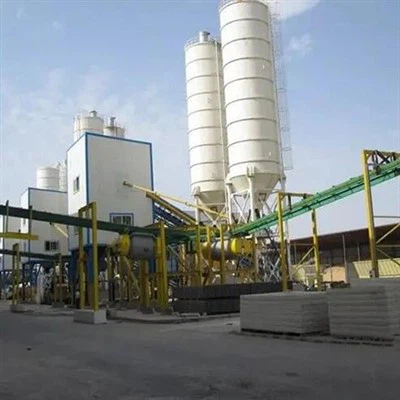
Hey there! I'm a supplier of small batching plants, and I often get asked, "Can a small batching plant be moved easily?" Well, let's dive right into this topic and figure it out together.
First off, what exactly is a small batching plant? It's a compact setup that mixes various materials like cement, aggregates, water, and additives to produce concrete. These plants are great for small - scale construction projects, such as building a small house, a local bridge, or a backyard patio.
Now, let's talk about the portability aspect. One of the big advantages of a small batching plant is its relatively high level of portability compared to large - scale batching plants. Unlike the massive ones that are often fixed in one location and require a lot of infrastructure to set up, small batching plants are designed with mobility in mind.
Most small batching plants are built on a modular design. This means they are made up of separate units that can be easily disassembled. For example, the cement silo, the mixing unit, and the aggregate bins can all be taken apart without too much hassle. Once disassembled, these parts are usually of a manageable size and weight, which makes them easier to transport. You can load them onto a truck or a trailer and move them to a new location.


Another factor that contributes to the easy movement of small batching plants is their relatively low power requirements. They don't need a huge electrical supply or complex power - connection systems. This means that when you move the plant to a new site, you won't have to deal with a lot of complicated electrical work. You can quickly connect it to the local power source at the new location and get it up and running.
However, it's not all smooth sailing. There are some challenges when moving a small batching plant. One of the main issues is the setup time. Even though the plant is small, it still takes some time to disassemble, transport, and then reassemble it at the new site. You need to make sure that all the parts are properly aligned and connected during the reassembly process. Any misalignment can lead to problems with the mixing quality and the overall performance of the plant.
Also, you need to consider the site conditions at both the old and the new locations. The ground at the new site should be level and stable enough to support the weight of the plant. If the ground is uneven or soft, it might cause the plant to tilt or even collapse during operation. You may need to do some ground - preparation work, such as leveling the ground or building a concrete foundation, which can add to the time and cost of the move.
Let's take a look at some of the different types of small batching plants and how they fare in terms of mobility. A Wet mix batching plant is a popular choice. These plants mix all the ingredients in a wet state, which results in a more homogeneous concrete mixture. In terms of mobility, wet mix batching plants are usually quite easy to move. Their modular design allows for quick disassembly and transportation.
The Best Concrete Plant is another option. These plants are known for their high - quality output and efficient operation. They are also designed with mobility in mind, so you can move them from one construction site to another without too much difficulty.
Then there's the Fast Way Batch Plant. As the name suggests, these plants are designed for fast and efficient concrete production. They are relatively small in size and can be easily moved. Their fast - setup features also help reduce the time it takes to get the plant up and running at a new location.
When it comes to moving a small batching plant, it's important to have a proper plan in place. You should start by creating a detailed checklist of all the parts that need to be disassembled, transported, and reassembled. Make sure you have all the necessary tools and equipment for the job. It's also a good idea to have a team of experienced technicians who can handle the disassembly, transportation, and reassembly process.
In conclusion, a small batching plant can be moved relatively easily compared to large - scale plants. Its modular design, low power requirements, and manageable size all contribute to its portability. However, there are still some challenges, such as setup time and site - condition requirements, that need to be considered.
If you're in the market for a small batching plant and want to know more about its mobility or any other features, I'd love to have a chat with you. Whether you're a small - scale contractor or a DIY enthusiast, our small batching plants can meet your concrete - production needs. Don't hesitate to reach out and start a conversation about your specific requirements.
References:
- Construction Equipment Handbook
- Concrete Production and Batching Manuals