


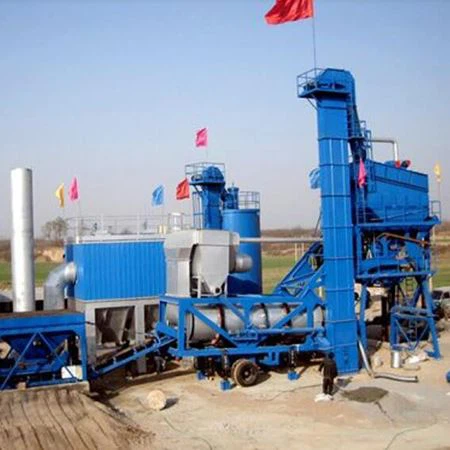
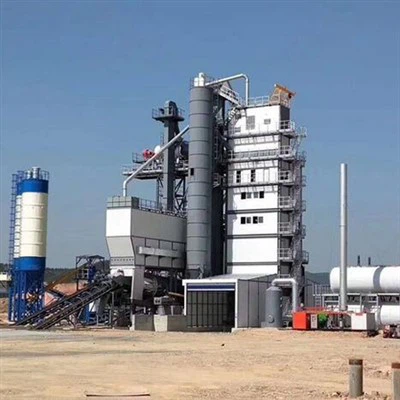
Mobile Asphalt Plant
Why Choose Us?
Fully Equipped
Excellent equipment production lines and stable quality supporting parts are guaranteed. JHT has processing equipment such as rust removal sandblasting machines, laser CNC machines, CNC laser cutting, boring machines, drilling machines, automatic welding robots, and electronic CNC rolling machines.
Rich Experience
Jinheng Machinery has 15 years of experience in OEM concrete mixing plants. Strict quality control and refined cost control have achieved high-quality and low-priced concrete production lines.
Broad Market
20 years of experience in designing and manufacturing concrete mixing plants, long-term cooperation, and collaboration with BHS, SICOMA, WAM, ABB, IBM, SIEMENS Established a good friendship.
Professional Service
We have created an intelligent concrete mixing plant that combines the Internet of Things and digitization. Provide customers with simple, safe, environmentally friendly, efficient, and intelligent green mixing overall solutions and services.
What is Hot Asphalt Plant?
Hot asphalt plant is a plant used for the manufacture of asphalt, macadam and other forms of coated roadstone, sometimes collectively known as blacktop or asphalt concrete.

Our products in this field are constantly evolving and meeting customer needs through technological development.

Superior asphalt plant are widely used in the construction industry to produce high-quality asphalt mixtures.

The LB series batch asphalt mixing plants can meet the requirements of manufacturers for high concentration mixing quality.

The entire process from storage, transportation, heating, mixing to unloading and leaving the factory.

On the basis of fixed continuous asphalt mixing plant and semi mobile continuous mixing plant.

The mobile asphalt mix plant is the latest generation of asphalt mixing station products from our company.

Continuous Asphalt Mixing Plant
The production capacity of the entire equipment ranges from 20 tons to 60 tons per hour.

The LB series forced asphalt mixing plant can produce high-quality and reliable asphalt of various proportions.
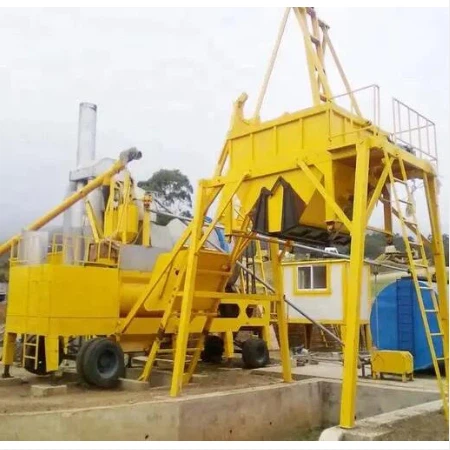
The mini asphalt plant is a continuous asphalt mixing plant developed by our company.
Benefits of Mobile Asphalt Plant
Enhanced Flexibility and Mobility
One of the most significant advantages of a mobile asphalt mixing plant is its flexibility. These plants can be easily transported to different job sites. This mobility allows contractors to produce asphalt close to the construction site, reducing transportation costs and time. It also ensures a steady supply of fresh asphalt, improving the overall quality of the road.
Cost-Effective Solution
Mobile asphalt mixer plants are cost-effective. They eliminate the need for transporting asphalt from a stationary plant to the construction site. This reduction in transportation not only cuts costs but also minimizes the risk of asphalt cooling and hardening during transit.
Quick Installation and Setup
Time is a critical factor in road construction projects. Mobile asphalt batch plants are designed for quick installation and setup. They can be assembled and operational within a short period, allowing construction to commence without delay. This rapid deployment is especially beneficial for projects with tight deadlines.
High-Quality Asphalt Production
Mobile asphalt manufacturing plants are equipped with advanced technology. This technology ensures the production of high-quality asphalt. The hot asphalt plant offers precise control over the mixing process, resulting in a consistent and superior product. The ability to produce high-quality asphalt on-site enhances the durability and longevity of the road.
Environmental Benefits
Using a mobile asphalt plant can also have environmental benefits. By reducing the need for transportation, these plants help decrease fuel consumption and lower carbon emissions. Additionally, many modern mobile plants incorporate eco-friendly technologies. These technologies minimize waste and reduce the environmental impact of asphalt production.
Versatility in Applications
Mobile asphalt mixer plants are versatile. They can produce various types of asphalt mixes, catering to different project requirements. Whether it's for highways, rural roads, or urban streets, these plants can handle diverse construction needs. This versatility makes them an ideal choice for contractors working on multiple projects.
Enhanced Project Management
Using a mobile asphalt plant enhances project management. Contractors can monitor and control the asphalt production process on-site. This control allows for immediate adjustments, ensuring the asphalt mix meets the project's specifications. Real-time production management leads to better project outcomes and higher client satisfaction.
Reduced Material Wastage
Mobile asphalt plants contribute to reduced material wastage. Since the asphalt is produced on-site, there is less risk of overproduction and wastage. Contractors can produce the exact amount needed for the project, optimizing resources and reducing costs.
Improved Logistics
The logistics of road construction projects can be challenging. Mobile asphalt plants simplify logistics by eliminating the need for long-distance transportation of asphalt. This simplification leads to smoother operations and fewer logistical hurdles. Contractors can focus more on the construction process rather than the complexities of asphalt delivery.

●Aggregates are fed by belt conveyor from the cold feeders to a rotary drying drum where the moisture is removed.
●It is then elevated to a set of screens where it is divided into several component sizes and stored in hot aggregate temporary storage bins.
●These aggregates are then correctly proportioned into a weigh hopper.
●It is introduced into a pug mill and mixed for a specified amount of time.
●Liquid bitumen is introduced at the proper time and the combination is then mixed for the required time.
●The pug mill gate opens at the end of this cycle and the finished asphalt mix is discharged directly into a waiting truck or or the special holding silo.
Mobile asphalt mixing plants are commonly used for a range of construction projects, including:
●Highways
●Bridges
●Large-scale construction projects
The key advantage of using a mobile asphalt mixing plant is that it minimizes the need for transporting hot mix asphalt to the construction site. This not only saves time and money but also ensures the quality of the asphalt by reducing the chances of it cooling before application. Additionally, mobile plants are generally more environmentally friendly than stationary plants due to lower emissions.

What Is the Workflow of Mobile Asphalt Plant?
The components and workflow of a mobile asphalt plant are basically the same as those of a fixed asphalt plant. The difference lies in the addition of a walking system, which makes the movement more convenient. Because it adopts a forced mixer, the cold aggregate and asphalt can be fully mixed, so the quality of the finished product is relatively good. It is usually used to build expressways and airport roads with strict quality requirements. The mobile asphalt plant has the characteristics of high degree of automation, high finished product specifications, and convenient transportation.
The main workflow is as follows:
●First, use the loader to load the cold aggregates of different specifications into the collecting hopper respectively. After the primary weighing, the qualified materials are transported by the belt conveyor to the drying drum for heating and drying.
●During the drying process, the dust and moisture contained in the cold aggregate are sucked into the bag dust collector.
●The hot aggregate heated by the drying drum passes through the hoist to the vibrating screening system above the mixing building. They are screened into different specifications by the vibrating screen, and then respectively enter the storage hopper below. Afterwards, according to different ratios, they are put into the weighing device in turn and re-weighed.
●The mineral powder is transported to the temporary storage hopper through the powder elevator, and then to the weighing device for weighing. At the same time, the bitumen is sent to the bitumen metering device through the pipeline for weighing.
●Later, put the weighed aggregate, mineral powder and asphalt into the twin-shaft mixer in turn for mixing. When the specified time is reached, open the discharge door of the mixer. And put the evenly stirred mixture into the finished product warehouse. Finally, the mixture is put into the dump truck and transported to the construction site.
A mobile asphalt mixing plant typically consists of three main parts:
The Mixer: Where all materials are combined and heated to the appropriate temperature.
The Control Tower: Houses the plant('s controls and monitors the production process.
Aggregate Storage Bins: Hold the various stone and sand used to produce hot mix asphalt (HMA).
Why Mobile Asphalt Plant?
There are so many benefits of having a mobile asphalt plant for your small and medium-scale construction projects -especially for road construction projects. You can carry the mobile asphalt plant along with your bandwagon wherever you go for the next project. Apart from these, the mobile asphalt plant provides many other benefits which include:
●Hassle-free and smooth operation
●Rustproof finishing
●Handy
●Quick installation
●Added flexibility
●It comes with an easy setup feature
●It does not mandatorily require a concrete foundation
●Produces hot mix asphalt quickly
●Prevents wastes
●Continuous service
In fact, the mobile asphalt plant has become an integral part of construction projects. Stationary asphalt mixing plants are used for larger projects and cannot be moved quite frequently while the mobile mixing plants can easily be dismantled and moved from one place to another.
Our Factory

Zhengzhou Jinheng Machinery Equipment Co., Ltd Since 2015.
It is a garden type concrete mixing plant, covers an area of only 5000 square meters. No aggregate stacking yard, unattended vehicle entry and exit system, building design, aggregate vertical feeding, high efficiency, low energy, environmental protection.
●Photovoltaic power supply system (can be automatically switched with the mains)
●Stable outsourced parts (BHS/SICOMA/WAM/SIEMENS)
●Large closed bone silo (No forklift)
●Intelligent control system (concrete mixing plant)
●Concrete mixing station remote operation and maintenance system
Our Certificate

Ultimate FAQ Guide to Mobile Asphalt Plant
Hot Tags: mobile asphalt plant, China mobile asphalt plant manufacturers, suppliers, factory, Sicoma Concrete Batching Plant, Concrete Plant, hzs90, cement ceramsite lightweight wallboard production line, Small Concrete Batching Plant, Batching Plant Silo
Previous
No InformationYou Might Also Like



Send Inquiry