


Hot Asphalt Plant
Why Choose Us?
Fully Equipped
Excellent equipment production lines and stable quality supporting parts are guaranteed. JHT has processing equipment such as rust removal sandblasting machines, laser CNC machines, CNC laser cutting, boring machines, drilling machines, automatic welding robots, and electronic CNC rolling machines.
Rich Experience
Jinheng Machinery has 15 years of experience in OEM concrete mixing plants. Strict quality control and refined cost control have achieved high-quality and low-priced concrete production lines.
Broad Market
20 years of experience in designing and manufacturing concrete mixing plants, long-term cooperation, and collaboration with BHS, SICOMA, WAM, ABB, IBM, SIEMENS Established a good friendship.
Professional Service
We have created an intelligent concrete mixing plant that combines the Internet of Things and digitization. Provide customers with simple, safe, environmentally friendly, efficient, and intelligent green mixing overall solutions and services.
What is Hot Asphalt Plant?
Hot asphalt plant is a plant used for the manufacture of asphalt, macadam and other forms of coated roadstone, sometimes collectively known as blacktop or asphalt concrete.

Our products in this field are constantly evolving and meeting customer needs through technological development.

Superior asphalt plant are widely used in the construction industry to produce high-quality asphalt mixtures.

The LB series batch asphalt mixing plants can meet the requirements of manufacturers for high concentration mixing quality.

The entire process from storage, transportation, heating, mixing to unloading and leaving the factory.

On the basis of fixed continuous asphalt mixing plant and semi mobile continuous mixing plant.

The mobile asphalt mix plant is the latest generation of asphalt mixing station products from our company.

Continuous Asphalt Mixing Plant
The production capacity of the entire equipment ranges from 20 tons to 60 tons per hour.

The LB series forced asphalt mixing plant can produce high-quality and reliable asphalt of various proportions.
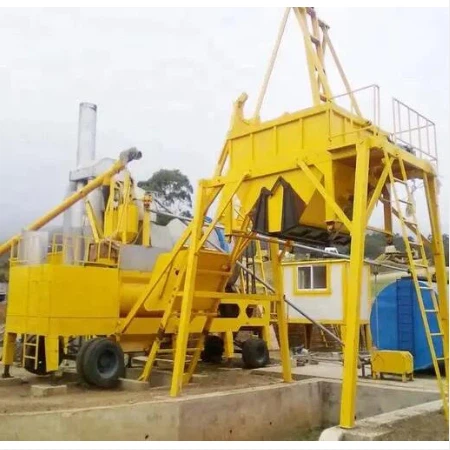
The mini asphalt plant is a continuous asphalt mixing plant developed by our company.
Benefits of Hot Asphalt Plant
Hot asphalt plant has numerous benefits and advantages. It helps to produce quality material, it is versatile, good for the environment and it can also use reuse existing material. Details of which are listed below:
Quality Asphalt Mixtures: Asphalt batch mix plants allow for precise control over the mixing process, resulting in the production of high-quality asphalt mixtures. This ensures that the asphalt used in road construction is durable, long-lasting, and can withstand heavy traffic loads, harsh weather conditions, and other environmental factors.
Versatility: Asphalt batch mix plants are versatile and can be used to produce different types of asphalt mixtures, such as hot mix asphalt (HMA), warm mix asphalt (WMA), and cold mix asphalt (CMA), depending on the project requirements. This flexibility makes them suitable for various road construction applications, ranging from small patching jobs to large highway projects.
Cost-Effective: Asphalt batch mix plants are cost-effective in the long run as they allow for efficient use of resources, including aggregates, bitumen, and energy. They also reduce transportation costs as the asphalt mixtures can be produced on-site, eliminating the need to transport hot mix asphalt from off-site plants. This results in cost savings and improved profitability for road construction projects.
Environmentally Friendly: Asphalt batch mix plants are designed with environmental considerations in mind. They use modern technologies, such as baghouse filters and other pollution control devices, to minimize emissions of dust, smoke, and odors, making them environmentally friendly. Additionally, the use of warm mix asphalt (WMA) technology in some batch mix plants reduces the production of greenhouse gases and lowers energy consumption, further contributing to environmental sustainability.
Use of Recycled material: Modern asphalt batch mix plants can use a high percentage of reclaimed asphalt. Which means old roads can be removed and mixed with new material to produce the same quality of hot mix asphalt that can be used to lay on the roads. This allows to reduce the cost of production and also allows to reuse the existing natural resources. It is a very cost effective solution as the use of RAP is very economical and it helps to reduce the cost of making a road. When we start using RAP in existing hot mixes it allows for reduced environmental impact since we will be using less of a virgin material. It is a more sustainable option for asphalt production.

The production of hot mix asphalt is made of aggregates that must first be dried and heated with bitumen. Drying these aggregates takes place on a dryer drum in an inclined shape, with a gas-fired furnace at the base of the cylinder.
Inside the drum, different types of flights and oils assist in properly heating up the aggregate and properly coating it with bitumen.
Hot Mix Plants are usually available in batch and drum types.
These products typically have capacities between 40 and 60 tph or 80-160 tph, with the smaller models typically being more popular since they produce smaller amounts more quickly.
For large jobs in construction, the larger ones offer more mobility.
Here are some tips to help you find the best hot asphalt plant for road construction needs:
Determine your project requirements
Before you start looking for a hot mix plant, you must determine your requirements. Consider the volume of asphalt you need to produce, the types of aggregates you will be using, and the required production rate.
Research different manufacturers
Once you understand your project requirements, research different manufacturers of hot mix asphalt plants and hot mix bitumen plants. Look for manufacturers with good reputations and a record of producing high-quality equipment.
Consider your budget
Hot mixing plants can vary greatly in price, so it is important to consider your budget when selecting a plant. Look for a plant that offers a good balance between price and performance.
Check the quality of components
Make sure to check the quality of the key components of the plant, such as the drum mixer and baghouse filter. Look for high-quality components that are designed to last.
Consider after-sales support
Finally, consider the after-sales support provided by the manufacturer. Look for a manufacturer that offers training, technical support, and spare parts to ensure your plant continues performing at its best.
Proper maintenance of an asphalt plant is essential to ensure its longevity and efficient operation. Some essential maintenance tips include:
●Regularly inspecting the equipment and making necessary repairs or replacements.
●Keeping the plant clean and free of debris.
●Properly storing and handling materials.
●Ensuring that the plant is properly calibrated for accurate mixing and production.
●Regularly monitoring and maintaining air quality and emissions.

General Configuration of Hot Asphalt Plant
Hot asphalt plants combine aggregates (such as sand, gravel, and crushed stone) with asphalt cement or bitumen to produce asphalt concrete. The process involves heating the aggregates to a specific temperature and then blending them with the asphalt binder. The resulting mixture is a hot, viscous liquid known as hot mix asphalt.
Hot mix plants come in various types and configurations, but the basic components typically include:
●Cold aggregate feeder bins: These are used to store and supply the different sizes of aggregates required for the asphalt mix.
●Conveyor belts: They transport the aggregates from the feeder bins to the drying drum.
●Drying drum: It is a rotating drum where the aggregates are heated and dried.
●Burner: The burner is responsible for heating the drying drum and maintaining the desired temperature.
●Hot aggregate elevator: It lifts the heated aggregates to the vibrating screen.
●Vibrating screen: It separates the hot aggregates into different sizes and removes any oversized particles.
●Hot bins: These bins store the different sizes of hot aggregates before they are mixed with the asphalt binder.
●Weighing system: It accurately measures the quantities of aggregates and asphalt binder to ensure the proper mix proportions.
●Asphalt storage tanks: They store the asphalt binder at high temperatures to keep it in a liquid state.
●Mixing unit: The mixing unit consists of a pugmill or twin-shaft mixer, where the hot aggregates and asphalt binder are thoroughly mixed to produce the final hot mix asphalt.
Production Process of Hot Asphalt Plant
Cold aggregates, ranging in size from sand to large rocks, are delivered to the plant and stockpiled in separate bins. The size and type of aggregate used depend on the intended use of the finished asphalt mix.
In Batch Mixing Plants, aggregates are fed into a rotary dryer drum heated by a burner. This dries and heats the aggregates to around 145-160°C; In Continuous Mixing Plants, a similar rotating drum or a series of smaller dryers continuously dry and heat the aggregates as they progress through the plant.
Hot aggregates from the dryer are then passed through vibrating screens to separate them into different sizes. These sized aggregates are stored in separate hot bins until needed for mixing.
Bitumen, the binding agent in asphalt, is stored in heated tanks and maintained at around 155-160°C.
For each batch, pre-programmed ratios of hot aggregates, bitumen, and any optional additives like filler or recycled materials are weighed with high accuracy.
In Batch Mixing Plants the weighed materials are fed into a pug mill, a large horizontal mixer, where they are thoroughly blended for a specified time; In Continuous Mixing Plants, the materials are blended continuously while they travel through a mixing drum or pug mill.
The finished hot asphalt mix is then discharged from the mixer or drum.
Our Factory

Zhengzhou Jinheng Machinery Equipment Co., Ltd Since 2015.
It is a garden type concrete mixing plant, covers an area of only 5000 square meters. No aggregate stacking yard, unattended vehicle entry and exit system, building design, aggregate vertical feeding, high efficiency, low energy, environmental protection.
●Photovoltaic power supply system (can be automatically switched with the mains)
●Stable outsourced parts (BHS/SICOMA/WAM/SIEMENS)
●Large closed bone silo (No forklift)
●Intelligent control system (concrete mixing plant)
●Concrete mixing station remote operation and maintenance system
Our Certificate

Ultimate FAQ Guide to Hot Asphalt Plant
Hot Tags: hot asphalt plant, China hot asphalt plant manufacturers, suppliers, factory, Wet Concrete Batching Plant, Batching Plant Silo, Mini Concrete Batching Plant, hzs90, 2022 new batch concrete mixer, jhmix-200
Previous
Mobile Asphalt PlantNext
Asphalt PlantYou Might Also Like


Send Inquiry