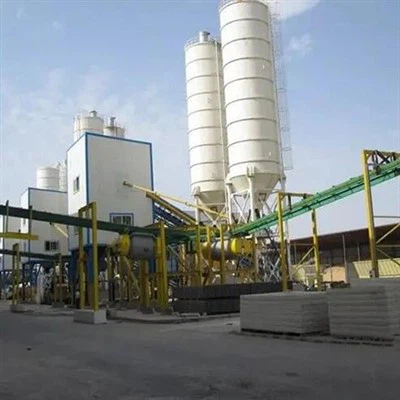
Hey there! As a supplier of dry batching plants, I often get asked about the types of mixers used in these setups. So, I thought I'd write this blog to give you the lowdown on what kind of mixer is best for a dry batching plant.
Let's start by understanding what a dry batching plant is. In simple terms, it's a facility where all the ingredients for making concrete, like cement, aggregates, and additives, are measured and batched in a dry state. These dry ingredients are then transported to the construction site, where water is added and the mixing process takes place.
Now, when it comes to choosing a mixer for a dry batching plant, there are a few key factors to consider. First off, you need a mixer that can handle the large volumes of dry materials efficiently. It should also be able to mix the ingredients thoroughly to ensure a consistent quality of concrete.
One of the most commonly used mixers in dry batching plants is the twin-shaft mixer. This type of mixer consists of two parallel shafts with mixing blades attached to them. As the shafts rotate in opposite directions, the blades move the materials in a complex pattern, ensuring a high degree of mixing efficiency. Twin-shaft mixers are known for their fast mixing times and ability to handle a wide range of materials, including high-strength concrete. They're also quite durable and can withstand the wear and tear of continuous operation. If you're interested in learning more about this type of mixer, check out Batching Plant Concrete Mixer.
Another popular option is the planetary mixer. In a planetary mixer, the mixing blades rotate around their own axis while also orbiting around the center of the mixing pan. This dual motion creates a very thorough mixing action, resulting in a homogeneous mixture. Planetary mixers are great for small to medium-sized dry batching plants as they offer excellent mixing performance in a relatively compact design. They're also easy to clean and maintain, which is a big plus in a busy production environment.
For those with limited space or smaller projects, a single-shaft mixer might be the way to go. Single-shaft mixers are simple in design, with a single shaft and mixing blades. They're not as efficient as twin-shaft or planetary mixers in terms of mixing speed and thoroughness, but they're more affordable and take up less space. They can still produce good-quality concrete for less demanding applications.
If you're looking for a more mobile solution, Mobile Mixing Plant is an option worth considering. These plants come with built-in mixers and can be easily transported to different construction sites. They're ideal for projects that require concrete production at multiple locations or for short-term jobs.
And for really small-scale operations or DIY projects, a Mini Concrete Mixing Plant could be the perfect fit. These plants are compact, easy to operate, and can produce small amounts of concrete quickly.
When choosing a mixer for your dry batching plant, it's also important to think about the power source. Most mixers can be powered by electricity, diesel, or gasoline. Electric mixers are generally more energy-efficient and environmentally friendly, but they require a reliable power supply. Diesel and gasoline-powered mixers offer more flexibility as they can be used in remote locations where electricity may not be available.
Maintenance is another crucial aspect. Regular maintenance of your mixer will ensure its longevity and optimal performance. This includes cleaning the mixer after each use, checking the lubrication levels, and inspecting the mixing blades for wear and tear. Make sure to follow the manufacturer's maintenance schedule to avoid any unexpected breakdowns.
In addition to the type of mixer, you'll also need to consider the capacity of the mixer. The capacity should be based on the amount of concrete you need to produce per batch. If you're working on a large construction project, you'll need a mixer with a higher capacity. On the other hand, for smaller projects, a lower-capacity mixer will suffice.
The quality of the materials used in the mixer is also important. Look for mixers made from high-quality steel and other durable materials. This will ensure that the mixer can withstand the harsh conditions of a dry batching plant and last for a long time.


So, there you have it - a rundown of the different types of mixers used in dry batching plants. Each type has its own advantages and disadvantages, and the right choice depends on your specific needs and requirements. Whether you're looking for a high-capacity, high-efficiency mixer for a large-scale project or a compact, affordable option for a small job, there's a mixer out there for you.
If you're in the market for a dry batching plant or a mixer, I'd love to have a chat with you. We can discuss your project in detail and find the perfect solution for your needs. Don't hesitate to reach out and start the conversation about your procurement. Let's work together to get you the best equipment for your concrete production.
References
- Industry knowledge and experience in dry batching plant supply.
- Manufacturer specifications and guidelines for concrete mixers.