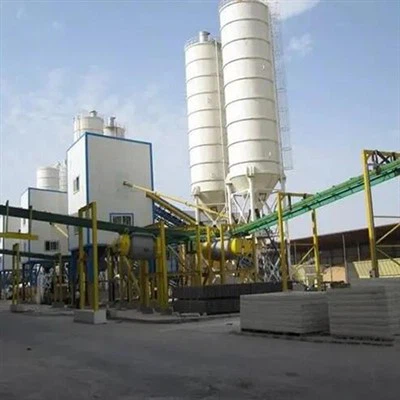
In the dynamic world of construction, concrete plants stand as the backbone, churning out the essential building material that shapes our cities and infrastructure. As a reputable concrete plant supplier, I've witnessed firsthand the pivotal role that technicians play within these facilities. In this blog post, I'll delve into the multifaceted responsibilities of technicians in a concrete plant, exploring how their expertise ensures the smooth operation, quality control, and innovation of the entire production process.
Equipment Maintenance and Troubleshooting
One of the primary roles of a technician in a concrete plant is to maintain and troubleshoot the various pieces of equipment. From mixers and conveyors to weigh batching systems and control panels, a concrete plant is a complex web of machinery that requires regular upkeep to function optimally. Technicians are tasked with conducting routine inspections, lubricating moving parts, replacing worn-out components, and calibrating sensors to ensure accurate measurements.
For instance, the mixer is the heart of the concrete plant, responsible for blending the raw materials into a homogeneous mixture. A technician must monitor the mixer's performance, checking for any signs of wear and tear, such as loose belts or damaged blades. If a problem is detected, the technician must quickly diagnose the issue and implement the necessary repairs to minimize downtime.
In addition to preventive maintenance, technicians are also called upon to troubleshoot equipment failures. When a machine breaks down, time is of the essence, as every minute of downtime can result in lost production and revenue. Technicians must be able to think on their feet, using their knowledge of electrical, mechanical, and hydraulic systems to identify the root cause of the problem and develop a solution. This may involve replacing a faulty component, reprogramming a control system, or performing a complex repair.
Quality Control and Testing
Another crucial aspect of a technician's role in a concrete plant is quality control. Ensuring that the concrete produced meets the required specifications is essential for the safety and durability of the structures it is used in. Technicians are responsible for collecting samples of the concrete at various stages of the production process and conducting a series of tests to determine its properties.
These tests may include slump tests, which measure the consistency of the concrete, as well as compressive strength tests, which determine the ability of the concrete to withstand pressure. Technicians must also check the temperature and moisture content of the concrete, as these factors can affect its performance. If the test results indicate that the concrete does not meet the specifications, the technician must work with the production team to adjust the mix design or make other necessary changes to ensure that the next batch meets the required standards.
In addition to testing the concrete itself, technicians are also responsible for monitoring the quality of the raw materials used in the production process. This includes checking the moisture content, particle size distribution, and chemical composition of the aggregates, cement, and other additives. By ensuring that the raw materials are of high quality, technicians can help to produce concrete that is strong, durable, and consistent.
Process Optimization and Innovation
As a concrete plant supplier, I understand the importance of continuous improvement. Technicians play a key role in optimizing the production process and implementing new technologies to increase efficiency, reduce costs, and improve the quality of the concrete.
One way that technicians can optimize the production process is by analyzing data from the plant's sensors and control systems. By monitoring factors such as production rates, energy consumption, and equipment performance, technicians can identify areas where improvements can be made. For example, they may be able to adjust the mix design to reduce the amount of cement used, which can lower costs and reduce the environmental impact of the production process.
Technicians are also responsible for evaluating and implementing new technologies and equipment. This may include upgrading the plant's control system to improve automation and precision, or installing new mixing equipment to increase production capacity. By staying up-to-date with the latest advancements in the industry, technicians can help to ensure that the concrete plant remains competitive and efficient.
Safety and Environmental Compliance
Safety is of paramount importance in a concrete plant, and technicians play a crucial role in ensuring that the workplace is safe for all employees. They are responsible for conducting safety inspections, identifying potential hazards, and implementing measures to prevent accidents and injuries. This may include providing training to employees on the proper use of equipment, installing safety guards and warning signs, and ensuring that all equipment is properly maintained and calibrated.
In addition to safety, technicians are also responsible for ensuring that the concrete plant complies with all environmental regulations. This includes managing the plant's waste materials, such as cement dust and wastewater, and implementing measures to reduce the plant's emissions and energy consumption. By taking a proactive approach to environmental management, technicians can help to minimize the impact of the concrete plant on the surrounding environment.
Conclusion
In conclusion, the role of a technician in a concrete plant is diverse and challenging. From equipment maintenance and troubleshooting to quality control and process optimization, technicians are essential for the smooth operation and success of the plant. As a concrete plant supplier, I recognize the importance of having skilled and knowledgeable technicians on staff, and I am committed to providing the training and support they need to excel in their roles.
If you are interested in learning more about our New Rmc Plant, Central Mix Concrete Plant, or Stationary Concrete Plant, or if you have any questions about the role of technicians in a concrete plant, please feel free to contact us. We would be happy to discuss your needs and provide you with more information.


References
- ACI 211.1-91, Standard Practice for Selecting Proportions for Normal, Heavyweight, and Mass Concrete
- ASTM C39/C39M-18, Standard Test Method for Compressive Strength of Cylindrical Concrete Specimens
- ASTM C143/C143M-15, Standard Test Method for Slump of Hydraulic-Cement Concrete