Power consumption is a crucial aspect to consider when operating a cement batching plant. As a leading supplier of cement batching plants, I understand the importance of this factor and am eager to share our expertise on the matter.
Understanding the Components of a Cement Batching Plant
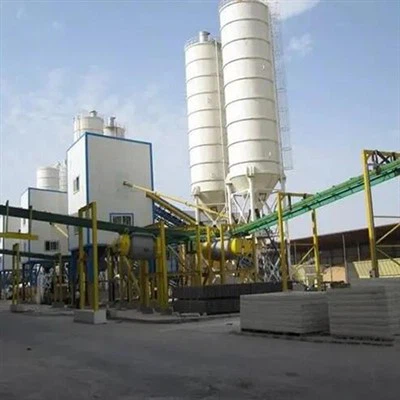
To comprehend the power consumption of a cement batching plant, it's essential to first understand its components. A typical cement batching plant consists of several key parts, including storage silos, conveyors, mixers, and control systems.
Storage silos are used to store raw materials such as cement, aggregates, and additives. They vary in size and capacity depending on the requirements of the plant. Conveyors are responsible for transporting these raw materials from the storage silos to the mixer. Mixers, on the other hand, blend the raw materials together to produce concrete. Control systems regulate the entire process, ensuring that the right proportions of materials are used and that the mixing process is carried out efficiently.
Factors Affecting Power Consumption
The power consumption of a cement batching plant can be influenced by several factors. One of the primary factors is the size and capacity of the plant. Larger plants with higher production capacities generally consume more power than smaller ones. This is because they require more energy to operate the larger storage silos, conveyors, and mixers.
The type of equipment used in the plant also plays a significant role. For example, some mixers are more energy - efficient than others. Modern mixers with advanced technology can achieve the same level of mixing quality with less power consumption. Additionally, the efficiency of the conveyors and control systems can impact overall power usage.


The production rate is another crucial factor. A plant that operates at a high production rate continuously will consume more power compared to a plant with intermittent or low - rate production. Environmental conditions such as temperature and humidity can also affect power consumption. In colder temperatures, the equipment may need to work harder to maintain the necessary operating conditions, leading to higher power usage.
Power Consumption Analysis of Different Components
Let's take a closer look at the power consumption of each major component in a cement batching plant.
Storage Silos
The power consumption of storage silos is relatively low. The main energy - consuming part is the aeration system, which is used to ensure the smooth flow of materials. For smaller silos, the power required for the aeration system may be in the range of a few kilowatts. Larger silos with more complex aeration systems can consume up to 10 - 20 kilowatts.
Conveyors
Conveyors are responsible for transporting materials over various distances. Belt conveyors are commonly used in cement batching plants. The power consumption of belt conveyors depends on their length, width, and the speed at which they operate. A typical short - distance belt conveyor (less than 10 meters) may consume around 1 - 3 kilowatts. For longer conveyors (over 50 meters), the power consumption can range from 10 - 30 kilowatts. Screw conveyors, which are used for finer materials like cement, generally consume less power compared to belt conveyors for the same distance, usually in the range of 0.5 - 5 kilowatts.
Mixers
Mixers are the most power - hungry component in a cement batching plant. The power consumption of a mixer depends on its type, size, and the mixing intensity. A small - scale mixer with a capacity of less than 1 cubic meter may consume around 10 - 20 kilowatts. Medium - sized mixers (1 - 3 cubic meters) typically consume 20 - 50 kilowatts. Large - scale mixers with a capacity of over 3 cubic meters can consume 50 - 100 kilowatts or more.
Control Systems
Control systems are responsible for coordinating the operation of all the components in the plant. Modern control systems are designed to be energy - efficient. They typically consume a relatively small amount of power, usually in the range of 1 - 5 kilowatts, depending on the complexity of the system.
Comparing Different Types of Cement Batching Plants
There are different types of cement batching plants, each with its own power consumption characteristics.
wet mix concrete batch plant
A wet mix concrete batch plant produces concrete by mixing all the raw materials with water in a mixer before transportation. These plants generally have a higher power consumption compared to some other types. This is because the mixing process requires more energy, especially for large - scale production. The power consumption of a wet mix concrete batch plant can range from 100 - 500 kilowatts, depending on its size and production capacity.
Volumetric Concrete Plant
Volumetric concrete plants produce concrete on - site by measuring the raw materials volumetrically. These plants are more flexible and can adjust the mix design during production. Their power consumption is relatively lower compared to wet mix batch plants. A medium - sized volumetric concrete plant may consume around 50 - 150 kilowatts.
Universal mobile concrete batching plant
Universal mobile concrete batching plants are designed for easy transportation and can be set up quickly at different locations. Their power consumption is influenced by their size and the production rate. Small - to - medium - sized mobile plants may consume 30 - 100 kilowatts, while larger ones can consume up to 200 kilowatts.
Strategies to Reduce Power Consumption
As a supplier of cement batching plants, we are committed to helping our customers reduce their power consumption. Here are some strategies that can be implemented:
- Upgrade Equipment: Replace old and inefficient equipment with newer, more energy - efficient models. For example, upgrading to a high - efficiency mixer can significantly reduce power consumption.
- Optimize Production Schedule: Plan the production schedule to avoid unnecessary idle time of the equipment. Running the plant at a consistent production rate can also improve energy efficiency.
- Regular Maintenance: Ensure that all the equipment is properly maintained. Clean and lubricate the conveyors, check the seals on the mixers, and calibrate the control systems regularly. Well - maintained equipment operates more efficiently and consumes less power.
- Use Energy - Saving Technologies: Implement energy - saving technologies such as variable frequency drives (VFDs) on the motors of the conveyors and mixers. VFDs can adjust the speed of the motors according to the actual load, thereby reducing power consumption.
Contact Us for More Information
Power consumption is a significant factor in the operation of a cement batching plant. By understanding the factors that affect power consumption and implementing effective energy - saving strategies, operators can reduce their energy costs and improve the overall efficiency of their plants.
If you are in the market for a cement batching plant or want to learn more about reducing power consumption in your existing plant, our team of experts is ready to assist you. Contact us to discuss your specific requirements and let us help you find the best solution for your business.
References
- Smith, J. (2020). Energy Efficiency in Industrial Concrete Production. Journal of Industrial Energy Management, 15(2), 34 - 45.
- Johnson, M. (2021). A Comparative Analysis of Power Consumption in Different Types of Cement Batching Plants. International Journal of Construction Technology, 22(3), 56 - 68.
- Brown, L. (2019). Strategies for Reducing Power Consumption in Cement Batching Plants. Sustainable Manufacturing Review, 12(1), 18 - 25.