Hey there! As a supplier of dry batching plants, I often get asked about the hourly output of these machines. It's a crucial question, especially for those in the construction business looking to optimize their operations. So, let's dive right in and break down what you can expect from a dry batching plant in terms of hourly output.
First off, what exactly is a dry batching plant? Well, it's a type of concrete batching plant where the aggregates, cement, and other dry ingredients are measured and mixed before water is added. This setup is great for producing high - quality concrete efficiently.
The output of a dry batching plant per hour can vary significantly depending on several factors. One of the most important factors is the size and capacity of the plant. Smaller, more portable dry batching plants are usually designed for smaller projects and have a lower hourly output. For example, some of the Portable Concrete Plant we offer can have an hourly output ranging from 20 to 60 cubic meters. These are perfect for small construction sites, such as building a single - family home or a small shed. They're easy to move around, set up, and operate, but their capacity is limited due to their compact size.
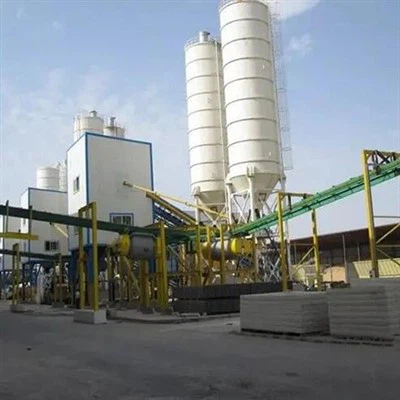
On the other hand, larger, industrial - scale dry batching plants can produce a whole lot more. The 240m³/H automatic concrete batching plant that we have in our product lineup is a beast! With a capacity of 240 cubic meters per hour, it's designed for large - scale construction projects like high - rise buildings, bridges, and large infrastructure developments. These plants are equipped with powerful mixers, efficient conveyors, and advanced control systems to ensure a continuous and high - volume production of concrete.
Another factor that affects the hourly output is the type of mixer used in the plant. There are two main types of mixers: twin - shaft mixers and planetary mixers. Twin - shaft mixers are known for their high mixing efficiency and can quickly blend the dry ingredients. They can handle large volumes of materials at once, which means they can contribute to a higher hourly output. Planetary mixers, on the other hand, offer a more thorough and uniform mixing, but they might take a bit longer to complete a batch. However, modern planetary mixers are also quite fast and can still achieve a decent output rate.
The speed of the feeding and conveying systems also plays a big role. If the aggregates, cement, and other materials can be quickly and accurately fed into the mixer, the overall production process will be faster. For instance, a well - designed conveyor belt system can transfer the materials from the storage bins to the mixer in a timely manner, reducing the waiting time between batches and increasing the hourly output.
The quality requirements of the concrete also impact the output. If a project calls for a very high - strength or specialized type of concrete, the mixing time might need to be extended to ensure all the ingredients are properly combined. This could result in a lower hourly output compared to producing a standard - grade concrete.
Now, let's talk about how to choose the right dry batching plant based on your hourly output needs. If you're a small - scale contractor or a DIY enthusiast, a portable plant with a lower output might be the best fit. It'll be more cost - effective and easier to manage. But if you're working on large - scale projects, you'll definitely want to invest in a high - capacity plant like our 240m³/H automatic concrete batching plant.
We also offer a range of Concrete Batch Plant For Sale that can be customized to meet your specific requirements. Whether you need a plant with a certain hourly output, a particular type of mixer, or specific feeding and conveying systems, we can work with you to design and build the perfect solution.
In conclusion, the output of a dry batching plant per hour can range from as low as 20 cubic meters to as high as 240 cubic meters or more, depending on various factors. By understanding these factors and choosing the right plant for your project, you can ensure an efficient and productive construction process.
If you're interested in learning more about our dry batching plants or want to discuss your specific needs, don't hesitate to reach out. We're here to help you make the best decision for your business and get the most out of your concrete production. Let's work together to take your construction projects to the next level!


References
- Industry knowledge and experience in the concrete batching plant manufacturing and supply field.
- Technical specifications of our dry batching plant products.