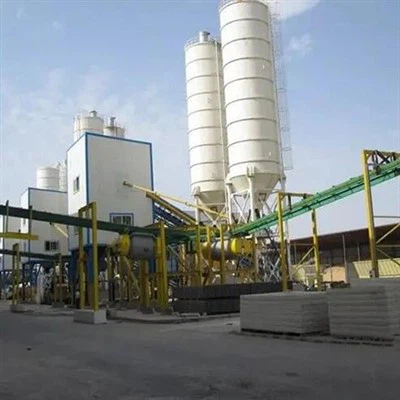
What is the noise level of a dry batching plant?
As a supplier of dry batching plants, I often receive inquiries about various aspects of our products, and one question that comes up quite frequently is about the noise level of a dry batching plant. In this blog, I will delve into this topic, exploring what factors influence the noise level, typical noise levels you can expect, and how we address noise - related concerns in our dry batching plants.
Factors influencing the noise level of a dry batching plant
- Equipment operation
The primary source of noise in a dry batching plant comes from the operation of its various equipment. For example, the crushers used to break down large aggregates into smaller pieces generate a significant amount of noise. The high - impact forces involved in the crushing process result in loud banging and vibrating sounds. Similarly, the conveyors that transport the materials from one part of the plant to another also contribute to the noise. The movement of the belts, the rotation of the rollers, and the friction between the materials and the conveyor components all produce audible noise. - Material handling
When materials such as sand, gravel, and cement are loaded, unloaded, and transferred within the plant, they create noise. The pouring of aggregates into hoppers or the discharge of cement from silos can cause a loud, crashing sound. The impact of the materials hitting the surfaces of the storage or transfer equipment adds to the overall noise level. - Fan and ventilation systems
Dry batching plants often have fan and ventilation systems to control dust and ensure proper air circulation. The operation of these fans can be quite noisy, especially when they are running at high speeds to maintain the required airflow. The blades of the fans cutting through the air and the motor driving the fans generate a continuous, whirring noise.
Typical noise levels of a dry batching plant
The noise level of a dry batching plant can vary depending on its size, the type of equipment used, and the operating conditions. On average, the noise level at the source of the major equipment in a dry batching plant can range from 80 to 100 decibels (dB). For example, a large - scale crusher might produce noise levels close to 100 dB, while conveyors and smaller equipment may generate noise in the range of 80 - 90 dB.

At a distance of a few meters from the plant, the noise level can still be relatively high, typically between 60 and 80 dB. This is due to the fact that sound waves can travel a certain distance before they dissipate. In a quiet rural area, background noise levels are usually around 30 - 40 dB, so the noise from a dry batching plant can be quite noticeable.
It's important to note that continuous exposure to noise levels above 85 dB can cause hearing damage over time. Therefore, it is crucial for workers at the plant and nearby residents to take appropriate measures to protect themselves from excessive noise.
How we address noise - related concerns in our dry batching plants
As a responsible supplier, we understand the importance of minimizing the noise impact of our dry batching plants. We have implemented several strategies to reduce the noise levels:

- Noise - reducing equipment design
We invest in research and development to design equipment with noise - reducing features. For example, our crushers are equipped with advanced damping systems that absorb and reduce the vibrations generated during the crushing process. This helps to lower the noise output significantly. Our conveyors are also designed with smooth - running components and proper belt tensioning to minimize friction and noise. - Enclosures and insulation
We provide enclosures for some of the major noise - generating equipment. These enclosures are made of sound - absorbing materials that can block and dampen the sound waves. For instance, the fans in our ventilation systems are housed in insulated enclosures, which can reduce the noise emitted by up to 20 dB. - Regular maintenance
Proper maintenance of the equipment is essential for reducing noise. We recommend regular inspections and servicing of all components in the dry batching plant. This includes checking the tightness of bolts, lubricating moving parts, and replacing worn - out components. By keeping the equipment in good working condition, we can prevent excessive noise caused by loose or damaged parts.
Comparison with other types of concrete plants
When it comes to noise levels, dry batching plants can be compared with other types of concrete plants such as Cement mixing plant, Portable concrete batch plant, and Ready mix plant and central mix plant.
Portable concrete batch plants are generally smaller in size and may have a lower noise level compared to large - scale dry batching plants. However, they still generate a significant amount of noise during operation, especially when the mixing and material handling processes are taking place.
Cement mixing plants and ready - mix/central mix plants also have their own noise characteristics. These plants often involve the mixing of cement and other materials, which can create noise from the rotating mixers and the movement of materials. The noise levels in these plants can be similar to those of dry batching plants, depending on the size and design of the equipment.
Importance of noise control in the industry
In addition to the health and safety concerns for workers and nearby residents, noise control is also important from an environmental and regulatory perspective. Many countries and regions have strict noise regulations in place to protect the environment and the well - being of the community. By ensuring that our dry batching plants meet these noise standards, we not only avoid potential legal issues but also contribute to a more sustainable and community - friendly industry.
Contact us for procurement and further discussion
If you are interested in our dry batching plants or have any questions regarding noise levels, equipment performance, or other aspects, we encourage you to contact us. Our team of experts is ready to provide you with detailed information and assist you in making the right choice for your project. We can offer customized solutions based on your specific requirements and help you optimize the performance of your dry batching plant while keeping the noise levels under control.
References
- "Handbook of Noise Control" by Cyril M. Harris.
- "Industrial Noise Control and Acoustics" by Lewis L. Beranek.
- Industry reports on concrete batching plant operations and noise management.