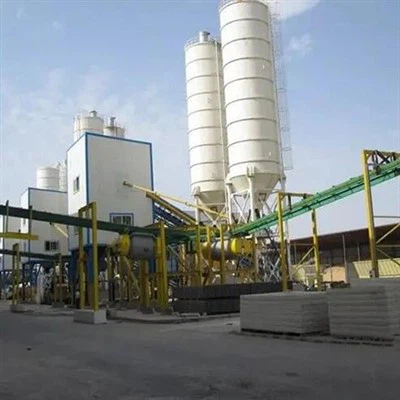
Hey there! I'm a supplier of Central Mixing Plants, and today I wanna chat about something that often gets overlooked but is super important: the noise level of a Central Mixing Plant.
Let's start by understanding what a Central Mixing Plant is. In simple terms, it's a facility where all the ingredients for making concrete are brought together, mixed thoroughly, and then ready to be shipped off to construction sites. If you're curious about different types of plants, you can check out Concrete Batching Systems, Cement Batch Plant, and Central Mix Concrete Plant.
Now, onto the noise. A Central Mixing Plant is noisier than a library, that's for sure. But how noisy exactly? Well, the noise level can vary depending on several factors.
First off, the equipment plays a huge role. There are these big mixers that spin around, churning up the cement, aggregates, and water to make that perfect concrete blend. These mixers can be pretty loud, especially when they're running at full capacity. The motors that power the mixers, conveyor belts, and other moving parts also contribute to the noise. When the belts are moving tons of materials from one place to another, they create a continuous rumbling sound.
Another factor is the size of the plant. A larger plant usually has more equipment and more materials being processed at once. This means more moving parts, more motors running, and ultimately, a higher noise level. For example, a small Central Mixing Plant in a rural area might have a lower noise level compared to a big - scale plant in an industrial zone.
The design of the plant can also affect the noise. If the plant is poorly designed, with equipment placed too close together or not properly insulated, the noise can bounce around and be amplified. On the other hand, a well - designed plant with proper insulation and layout can significantly reduce the noise it generates.
So, what kind of noise levels are we talking about? In general, the noise level in a Central Mixing Plant can range anywhere from 80 to 100 decibels. To put that in perspective, a normal conversation is around 60 decibels. A lawnmower typically operates at around 90 decibels. So, a Central Mixing Plant is definitely on the louder side.
Why does this matter? Well, for one, high noise levels can be a nuisance to the people working at the plant. Long - term exposure to noise above 85 decibels can cause hearing damage. Workers in the plant need to wear proper hearing protection, like earplugs or earmuffs, to prevent any permanent hearing loss.
It's also important to consider the impact on the surrounding community. If the plant is located near residential areas, schools, or hospitals, the noise can disrupt the daily lives of the people living and working there. Neighbors might complain about the constant noise, which can lead to legal issues for the plant owner.
So, as a supplier, what can be done to reduce the noise level?
One solution is to invest in high - quality equipment. Newer models of mixers and motors are often designed to be more energy - efficient and quieter. They might have better insulation and vibration - reducing features that can cut down on the noise they produce.


Proper maintenance of the equipment is also crucial. When the machinery is well - maintained, it runs more smoothly, which can lead to less noise. For example, regularly lubricating the moving parts, tightening loose bolts, and replacing worn - out components can all help keep the noise in check.
Another option is to install sound - absorbing materials around the plant. This could be in the form of acoustic panels on the walls of the building or around the noisy equipment. These panels can absorb the sound waves and prevent them from spreading outside the plant.
We also need to think about the layout of the plant. Placing the noisiest equipment in isolated areas or indoors can help contain the noise. For example, putting the mixers in a separate building with sound - proof walls can shield the rest of the plant and the surrounding area from the worst of the noise.
Now, you might be thinking, "All this talk about noise, but how does it affect my decision to buy a Central Mixing Plant?" Well, if you're looking for a plant, you need to consider the location where it will be set up. If it's in an area with strict noise regulations, you'll want a plant that can operate within those limits.
As a supplier, I can help you choose the right Central Mixing Plant that meets your needs, whether it's in terms of capacity, cost, or noise level. We've got a wide range of options available, and we can work with you to customize a solution that fits your specific requirements.
If you're in the market for a Central Mixing Plant, don't hesitate to reach out. We're here to answer all your questions and guide you through the purchasing process. Whether you're a small construction company just starting out or a large corporation looking to expand your operations, we've got the expertise to help you make the right choice.
In conclusion, the noise level of a Central Mixing Plant is an important factor to consider. It affects the health of the workers, the relationship with the surrounding community, and your compliance with local regulations. But with the right equipment, maintenance, and design, it's possible to keep the noise under control. So, if you're interested in learning more about our Central Mixing Plants or have any questions, just get in touch, and we'll start the conversation.
References
- Industry reports on concrete mixing technology
- Studies on noise pollution from industrial facilities
- Manufacturer's specifications of Central Mixing Plant equipment