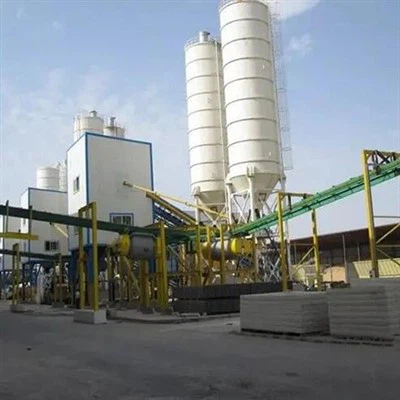
What is the mixing time in a dry mix batching plant?
As a supplier of Dry Mix Batching Plants, I often get asked about the concept of mixing time and its significance in the operation of these plants. In this blog, I will delve into what mixing time is, why it matters, and how it can be optimized in a dry mix batching plant.
Understanding Mixing Time
Mixing time refers to the duration for which the raw materials are blended together in the mixer of a dry mix batching plant. This process is crucial as it determines the homogeneity and quality of the final dry mix product. In a dry mix batching plant, various materials such as cement, aggregates (sand, gravel), and additives are combined to create a consistent and uniform mixture. The mixing time is essentially the period from when all the ingredients are introduced into the mixer until the desired level of uniformity is achieved.
The ideal mixing time is not a fixed value and can vary depending on several factors. These factors include the type and quantity of materials being mixed, the design and capacity of the mixer, and the specific requirements of the end - use application. For example, if the dry mix is intended for a high - strength concrete application, a longer mixing time may be required to ensure that all the components are thoroughly combined, resulting in a more consistent and durable product.
Why Mixing Time Matters
- Product Quality: A proper mixing time ensures that all the ingredients are evenly distributed throughout the mixture. This is essential for achieving consistent product quality. If the mixing time is too short, there may be pockets of unmixed materials, leading to variations in the properties of the final product. For instance, in a dry mix for plastering, uneven mixing can result in inconsistent setting times and a less smooth finish.
- Strength and Durability: In the case of dry mixes used in construction, such as concrete and mortar, sufficient mixing time is directly related to the strength and durability of the final structure. A well - mixed dry mix allows for better chemical reactions between the cement and other components, leading to a more robust and long - lasting end product.
- Cost - Efficiency: While it may seem counterintuitive, an appropriate mixing time can actually lead to cost savings. By ensuring that the dry mix is of high quality, there is less likelihood of product failures or rework. Additionally, a well - mixed dry mix can be more workable, reducing the amount of additional water or other additives that may be required during application.
Factors Affecting Mixing Time
- Material Properties: Different materials have different flow characteristics and particle sizes. For example, fine powders like cement tend to clump together, and a longer mixing time may be needed to break up these clumps and disperse them evenly in the mixture. Coarse aggregates, on the other hand, may require more time to be fully coated with the binder materials.
- Mixer Design: The type and design of the mixer play a significant role in determining the mixing time. There are various types of mixers used in dry mix batching plants, such as twin - shaft mixers, planetary mixers, and single - shaft mixers. Each type has its own mixing efficiency and speed. Twin - shaft mixers, for example, are known for their high - speed and efficient mixing capabilities, often requiring less mixing time compared to single - shaft mixers.
- Batch Size: The quantity of materials being mixed in a single batch also affects the mixing time. Larger batch sizes generally require longer mixing times to ensure that all the materials are thoroughly combined. However, modern dry mix batching plants are designed to handle large batches efficiently, but it is still important to adjust the mixing time accordingly.
Optimizing Mixing Time in a Dry Mix Batching Plant
- Conducting Tests: Before starting large - scale production, it is advisable to conduct small - scale tests to determine the optimal mixing time for different types of dry mixes. These tests can involve analyzing the uniformity of the mixture at different time intervals using methods such as sieve analysis or visual inspection.
- Monitoring and Control: Most modern dry mix batching plants are equipped with advanced control systems that allow for precise monitoring and adjustment of the mixing time. These systems can be programmed to start and stop the mixer based on pre - set time intervals, ensuring consistent mixing quality.
- Regular Maintenance: Keeping the mixer in good working condition is essential for efficient mixing. Regular maintenance, including cleaning, lubrication, and inspection of the mixer components, can help to maintain its mixing efficiency and reduce the need for excessive mixing time.
Related Products and Their Significance
In addition to dry mix batching plants, there are other types of batching plants that are relevant to the construction industry. For example, a Ready Mix Batching Plant is designed to produce ready - to - use concrete on - site or for delivery to construction sites. These plants also require careful consideration of mixing time to ensure the quality of the ready - mix concrete.
If you are looking for a more compact solution, a Small Concrete Batch Plant For Sale can be a great option. These plants are suitable for small - scale construction projects or for contractors with limited space. Despite their smaller size, they still need to have an appropriate mixing time to produce high - quality dry mixes.
Another option is a Portable Concrete Mixing Plant. These plants are highly mobile and can be easily transported to different construction sites. The mixing time in a portable concrete mixing plant is also crucial, especially considering the need for quick and efficient production at various locations.
Conclusion
In conclusion, mixing time is a critical factor in the operation of a dry mix batching plant. It directly impacts the quality, strength, and cost - efficiency of the final dry mix product. By understanding the factors that affect mixing time and implementing strategies to optimize it, dry mix batching plant operators can ensure the production of high - quality dry mixes that meet the specific requirements of their customers.
If you are in the market for a dry mix batching plant or have any questions regarding mixing time and its optimization, we are here to help. Our team of experts can provide you with detailed information and guidance to ensure that you make the right choice for your business. Feel free to reach out to us for further discussions and to start the procurement process.


References
- Neville, A. M. (1995). Properties of Concrete. Pearson Education.
- ACI Committee 211. (2014). Standard Practice for Selecting Proportions for Normal, Heavyweight, and Mass Concrete. American Concrete Institute.