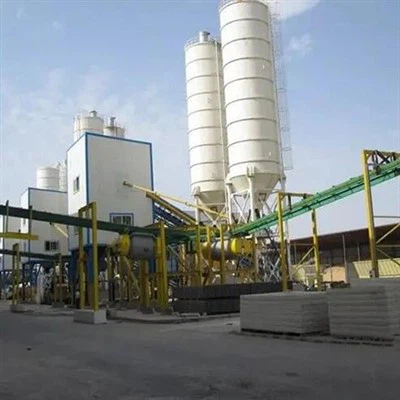
Hey there! As a supplier of batching plants, I often get asked about the maximum mixing capacity of these plants. It's a crucial question, especially for those in the construction industry who rely on a steady supply of high - quality concrete. In this blog, I'll break down what determines the maximum mixing capacity of a batching plant and share some insights based on my experience in the business.


Understanding Batching Plants
First off, let's talk a bit about batching plants. There are different types out there, like the Universal Batching Plant, the Universal mobile concrete batching plant, and the Volumetric Concrete Plant. Each type has its own features and is designed to meet different construction needs.
A batching plant is basically a place where the ingredients for concrete - like cement, water, aggregates, and additives - are measured, mixed, and prepared for use. The mixing capacity of a batching plant refers to the maximum amount of concrete it can produce in a given time, usually measured in cubic meters per hour (m³/h).
Factors Affecting Maximum Mixing Capacity
1. Mixer Size and Type
The size and type of the mixer are the most obvious factors affecting the mixing capacity. Larger mixers can hold more materials at once, which means they can produce more concrete per batch. There are two main types of mixers: twin - shaft mixers and planetary mixers.
Twin - shaft mixers are known for their high - speed mixing and large capacity. They have two parallel shafts with mixing blades that rotate in opposite directions, creating a powerful mixing action. These mixers can handle large volumes of concrete and are often used in large - scale construction projects. Planetary mixers, on the other hand, have a unique mixing motion where the mixing blades rotate around their own axis while also orbiting around the center of the mixer. They are more suitable for smaller - scale projects or when a very high - quality mix is required.
2. Aggregate and Cement Feeding Systems
The efficiency of the aggregate and cement feeding systems also plays a big role. If these systems can quickly and accurately deliver the right amount of materials to the mixer, the batching plant can operate at a higher capacity. For example, a well - designed conveyor belt system can transport aggregates from the storage bins to the mixer smoothly and quickly. Similarly, the cement silos and the screw conveyors used to transfer cement to the mixer need to be properly sized and maintained to ensure a continuous supply of materials.
3. Control System
A modern and advanced control system is essential for maximizing the mixing capacity. The control system manages the entire batching process, from measuring the ingredients to controlling the mixer speed and discharge time. A good control system can optimize the batching process, reduce downtime, and ensure consistent quality. It can also adjust the mixing parameters based on the type of concrete being produced and the specific requirements of the project.
4. Water and Additive Dosing Systems
Accurate water and additive dosing is crucial for producing high - quality concrete. The water and additive dosing systems need to be able to deliver the right amount of these components at the right time. If the dosing systems are slow or inaccurate, it can slow down the batching process and affect the overall mixing capacity.
Maximum Mixing Capacity of Different Types of Batching Plants
Universal Batching Plant
The Universal Batching Plant is a versatile option that can be customized to meet different production requirements. These plants typically have a maximum mixing capacity ranging from 30 m³/h to 240 m³/h. The lower - capacity models are suitable for small - to - medium - sized construction projects, such as residential buildings or small commercial structures. The higher - capacity models are ideal for large - scale infrastructure projects, like bridges, dams, and high - rise buildings.
Universal Mobile Concrete Batching Plant
The Universal mobile concrete batching plant is designed for on - site concrete production. It offers the advantage of mobility, which means it can be easily transported to different construction sites. The mixing capacity of these plants usually ranges from 25 m³/h to 120 m³/h. They are popular for smaller construction projects or when a flexible concrete production solution is needed.
Volumetric Concrete Plant
The Volumetric Concrete Plant has a unique feature of continuous mixing. It measures and mixes the materials as they are being discharged, which allows for a high degree of flexibility in the concrete production process. The maximum mixing capacity of volumetric concrete plants can vary widely, but they can typically produce between 10 m³/h and 90 m³/h. These plants are often used in projects where the concrete requirements may change frequently or where on - demand concrete production is needed.
Real - World Examples
Let's take a look at some real - world scenarios to understand the importance of maximum mixing capacity. Suppose you're working on a large - scale infrastructure project, like building a new highway. You'll need a batching plant with a high mixing capacity, say 150 m³/h or more, to keep up with the demand. A batching plant with a lower capacity would not be able to supply enough concrete in a timely manner, which could delay the project and increase costs.
On the other hand, if you're working on a small residential building project, a batching plant with a capacity of 30 - 60 m³/h would be sufficient. Using a larger - capacity plant in this case would be overkill and would increase the initial investment and operating costs.
Choosing the Right Batching Plant Based on Mixing Capacity
When choosing a batching plant, it's important to consider your specific needs. You need to estimate the amount of concrete you'll need for your project, taking into account factors like the size of the project, the construction schedule, and the expected rate of concrete consumption.
If you're involved in multiple projects with different requirements, a more versatile batching plant, like the Universal Batching Plant, might be a good choice. It can be easily adjusted to meet different production volumes. If you need to move the batching plant from one site to another, the Universal mobile concrete batching plant would be more suitable.
Conclusion
In conclusion, the maximum mixing capacity of a batching plant is determined by several factors, including the mixer size and type, the feeding systems, the control system, and the dosing systems. Different types of batching plants have different maximum mixing capacities, and choosing the right one depends on your specific project requirements.
If you're in the market for a batching plant and want to learn more about the maximum mixing capacity and which type is right for you, feel free to reach out. We're here to help you make the best decision for your construction needs. Whether you're working on a small - scale residential project or a large - scale infrastructure development, we have the expertise and the products to meet your requirements.
References
- “Concrete Batching Plants: Design, Operation, and Maintenance.” Construction Equipment Magazine.
- “Mixing Technology for High - Performance Concrete.” International Journal of Concrete Technology.