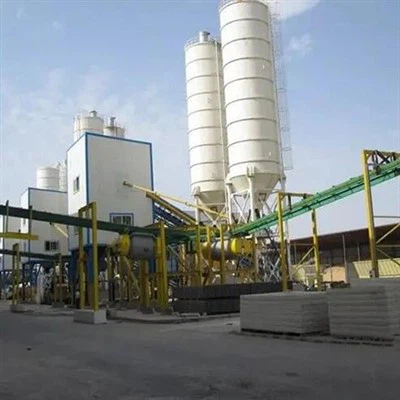
What is the lifespan of equipment in a ready mix cement plant?
As a seasoned supplier for ready mix cement plants, I've witnessed firsthand the pivotal role that equipment lifespan plays in the success and efficiency of these operations. Understanding the lifespan of equipment in a ready mix cement plant is crucial for plant owners, operators, and investors alike. It not only affects the overall cost - effectiveness of the plant but also influences production quality and reliability.
Factors Affecting Equipment Lifespan
There are several key factors that determine how long equipment in a ready mix cement plant will last.
1. Quality of Manufacturing
The initial build quality is perhaps the most fundamental factor. High - quality materials and precision manufacturing processes result in equipment that can withstand the rigors of continuous operation. For example, a cement mixer made from thick - walled, high - grade steel will be more resistant to wear and tear compared to one made from thinner, lower - quality materials. As a supplier, we always emphasize the use of top - notch materials and advanced manufacturing techniques in our Portable Concrete Plant For Sale. This ensures that our customers get equipment that has a longer lifespan right from the start.
2. Operating Conditions
The environment in which the equipment operates has a significant impact on its lifespan. Ready mix cement plants are often exposed to harsh conditions such as dust, high temperatures, and abrasive materials. For instance, conveyors that transport cement and aggregates are constantly in contact with abrasive substances. If the plant is located in an area with high levels of dust or in a region with extreme temperature variations, the equipment will experience more stress and may wear out faster. Regular maintenance and proper protection, such as dust covers and temperature - control systems, can help mitigate these effects.
3. Maintenance Practices
Proper maintenance is the key to extending the lifespan of any equipment. In a ready mix cement plant, regular inspections, lubrication, and replacement of worn - out parts are essential. For example, the mixing blades in a cement mixer need to be inspected regularly for signs of wear. If they are not replaced in a timely manner, they can cause uneven mixing, which not only affects the quality of the ready - mix concrete but also puts additional stress on the mixer motor. A well - maintained plant can significantly increase the lifespan of its equipment.
4. Frequency of Use
The more frequently the equipment is used, the faster it will wear out. A ready mix cement plant that operates 24/7 will put more strain on its equipment compared to one that operates on a part - time basis. However, even with high - frequency use, proper maintenance can still help to extend the equipment's lifespan. For example, a Mini Concrete Batching Plant used for small - scale projects may have a different usage pattern compared to a large - scale stationary plant, but both need to be maintained according to their usage levels.
Lifespan of Different Equipment in a Ready Mix Cement Plant
1. Cement Silos
Cement silos are used to store large quantities of cement. When properly maintained, a high - quality cement silo can last between 15 - 20 years. The lifespan is mainly determined by the quality of the steel used in its construction, the protection against corrosion (such as galvanization or painting), and the frequency of filling and emptying. Regular inspections for signs of rust, cracks, and structural integrity are necessary to ensure its long - term functionality.
2. Mixers
Mixers are the heart of a ready mix cement plant. The lifespan of a mixer can range from 10 - 15 years. The type of mixer, whether it's a twin - shaft mixer or a planetary mixer, also affects its lifespan. Twin - shaft mixers are known for their high - efficiency mixing but may experience more wear on the mixing shafts and blades. Planetary mixers, on the other hand, have a different mixing mechanism that may result in a different wear pattern. Regular cleaning, lubrication, and replacement of worn - out parts are crucial for maintaining the mixer's performance over time.
3. Conveyors
Conveyors are used to transport cement, aggregates, and other materials within the plant. Their lifespan typically ranges from 8 - 12 years. The conveyor belts are subject to constant friction and abrasion from the materials they carry. Additionally, the rollers and pulleys need to be properly maintained to ensure smooth operation. Regular belt alignment, replacement of damaged belts, and lubrication of moving parts are essential for extending the conveyor's lifespan.
4. Batchers
Batchers are used to measure and dispense the correct amounts of cement, aggregates, and water. They usually have a lifespan of 10 - 15 years. The accuracy of the batching system is crucial for the quality of the ready - mix concrete. Over time, the sensors and valves in the batcher may wear out, affecting the measurement accuracy. Regular calibration and replacement of worn - out components are necessary to maintain the batcher's performance.
Extending Equipment Lifespan
To extend the lifespan of equipment in a ready mix cement plant, plant owners and operators can take several steps.
1. Invest in High - Quality Equipment
As a supplier, I always recommend that customers invest in high - quality equipment from the start. Our Mobile Batching Plant For Sale is designed with durability in mind, using the latest technology and high - grade materials. Although the initial investment may be higher, the long - term savings in terms of reduced maintenance costs and longer equipment lifespan make it a worthwhile investment.
2. Implement a Preventive Maintenance Program
A preventive maintenance program should be established and strictly followed. This includes regular inspections, lubrication, and replacement of parts before they fail. A maintenance schedule should be created based on the manufacturer's recommendations and the actual operating conditions of the plant.
3. Train Staff Properly
Proper training of plant staff is essential. Operators should be trained on how to operate the equipment correctly, how to perform basic maintenance tasks, and how to identify early signs of equipment problems. Well - trained staff can help prevent unnecessary damage to the equipment and ensure its efficient operation.
4. Upgrade and Modernize Equipment
Over time, technology advances, and new equipment features become available. Upgrading and modernizing existing equipment can not only improve its performance but also extend its lifespan. For example, upgrading the control system of a mixer can improve its mixing efficiency and reduce wear on the components.
Conclusion
The lifespan of equipment in a ready mix cement plant is influenced by multiple factors, including manufacturing quality, operating conditions, maintenance practices, and frequency of use. By understanding these factors and taking appropriate measures to extend the equipment's lifespan, plant owners and operators can improve the cost - effectiveness, reliability, and quality of their operations.
If you are in the market for ready mix cement plant equipment or looking to upgrade your existing plant, we are here to help. Our team of experts can provide you with the best solutions tailored to your specific needs. Contact us today to start a discussion about your procurement requirements and let's work together to build a more efficient and long - lasting ready mix cement plant.


References
- "Concrete Plant Equipment: Operation, Maintenance, and Safety" by industry experts in the concrete manufacturing field.
- Manufacturer's manuals and technical documents for various ready mix cement plant equipment.