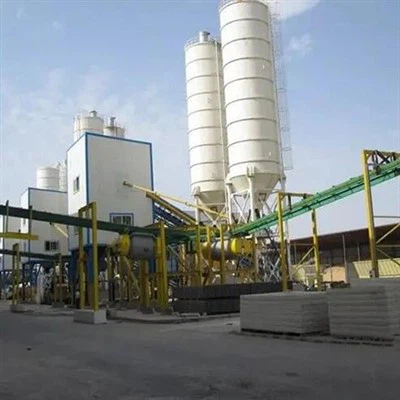
Hey there! I'm a supplier of wet batching plants, and today I wanna chat about how climate conditions can impact these plants. You know, a wet batching plant is super important in the construction industry as it produces high - quality concrete. But the climate around it can really throw a wrench in the works.
Let's start with hot climates. When it's scorching outside, the water in the concrete mixture evaporates way too quickly. This rapid evaporation can lead to a phenomenon called plastic shrinkage cracking. You see, as the water leaves the concrete while it's still in its plastic state, the surface starts to shrink. If the internal concrete doesn't shrink at the same rate, cracks form. This is a huge problem because these cracks can weaken the overall structure of the concrete.
Another issue in hot weather is that the setting time of the concrete shortens. The chemical reactions in the concrete that cause it to harden speed up in high temperatures. This means that the workers have less time to transport, place, and finish the concrete. If they're not quick enough, the concrete will start to set before it's properly placed, leading to a poor - quality finish.
Now, for us as wet batching plant suppliers, we need to come up with solutions for our customers in hot climates. One thing we can do is suggest using retarding admixtures. These are chemicals that slow down the setting time of the concrete, giving workers more time to handle it. Also, we can recommend shading the wet batching plant and the concrete during transportation. This reduces the direct exposure to the sun and helps keep the concrete at a more reasonable temperature.
Moving on to cold climates. Cold weather can be just as troublesome for wet batching plants. When the temperature drops below freezing, the water in the concrete can freeze. As water freezes, it expands, which can damage the concrete structure from the inside. This can lead to spalling, where the surface layer of the concrete chips off.
In cold climates, the setting time of the concrete also slows down significantly. In some cases, if the temperature is too low, the concrete may not set at all. This means that construction projects can get severely delayed, and the overall cost of the project can skyrocket.
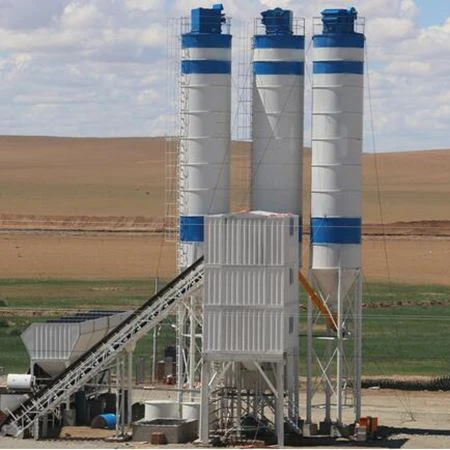

As suppliers, we have some tricks up our sleeves for cold - climate customers. We can recommend using accelerating admixtures. These chemicals speed up the setting time of the concrete, even in cold temperatures. We can also suggest insulating the wet batching plant and using heated water in the concrete mixture. This helps to keep the concrete warm enough for the chemical reactions to take place and for it to set properly.
Humidity is another climate factor that can affect wet batching plants. High humidity can increase the moisture content in the aggregates used in the concrete. If the moisture content of the aggregates is not properly accounted for, the water - to - cement ratio in the concrete mixture will be off. This can lead to a weaker concrete structure.
On the other hand, low humidity can cause the concrete to dry out too quickly, similar to the problems in hot climates. It can lead to plastic shrinkage cracking and a poor finish.
For customers dealing with high humidity, we can suggest using moisture - control equipment to measure the moisture content of the aggregates accurately. In low - humidity situations, we can recommend using curing compounds. These are substances that are applied to the surface of the concrete to prevent water from evaporating too quickly.
Now, I'd like to mention some of the products we offer that are relevant to all these climate - related issues. We have a great range of Wet Batch Concrete Plant that are designed to be adaptable to different climate conditions. Our plants are built with high - quality materials that can withstand extreme temperatures and humidity levels.
If you're looking for something more flexible, we also have Mobile Concrete Batching Plant. These can be easily moved around construction sites, and they're equipped with features that help in dealing with various climate challenges.
And of course, if you're interested in the cost, you can check out our Concrete Batching Plant Price page to get an idea of how much our products will cost you.
In conclusion, climate conditions have a huge impact on wet batching plants. Whether it's hot, cold, or humid, each climate presents its own set of challenges. But as a reliable supplier, we're here to help you overcome these challenges. We've got the knowledge, the products, and the solutions to ensure that your construction projects run smoothly, no matter what the weather is like.
If you're in the market for a wet batching plant or have any questions about how our products can handle different climate conditions, don't hesitate to reach out. We're more than happy to have a chat with you and discuss your specific needs. Let's work together to make your construction projects a success!
References
- Neville, A. M. (1995). Properties of Concrete. Pearson Education.
- ACI Committee 305. (2010). Hot Weather Concreting. American Concrete Institute.
- ACI Committee 306. (2010). Cold Weather Concreting. American Concrete Institute.