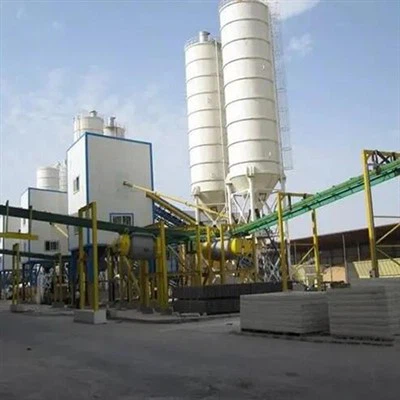
What is the environmental impact of a batching plant?
As a supplier of batching plants, I've witnessed firsthand the remarkable evolution of these facilities in the construction industry. Batching plants, also known as concrete batching plants, play a crucial role in producing ready - mix concrete, which is used in a wide range of construction projects, from small residential buildings to large - scale infrastructure developments. However, it's essential to understand the environmental impact of these plants to ensure sustainable construction practices.
Air Pollution
One of the most significant environmental concerns associated with batching plants is air pollution. During the operation of a batching plant, several processes can release harmful pollutants into the air. The handling and storage of raw materials such as cement, sand, and gravel are primary sources of dust emissions. When these materials are transferred, loaded, or unloaded, fine particles can become airborne, contributing to particulate matter (PM) pollution.
Cement, in particular, is a major culprit. The fine powder can be easily carried by the wind, and inhaling PM can have severe health effects on humans, including respiratory problems, heart disease, and lung cancer. Additionally, the combustion of fossil fuels in the plant's machinery, such as diesel - powered trucks and generators, releases pollutants like nitrogen oxides (NOx), sulfur dioxide (SO₂), and carbon monoxide (CO). These pollutants not only contribute to local air quality degradation but also play a role in global climate change.
To mitigate air pollution, modern batching plants are equipped with advanced dust collection systems. Bag filters and cyclones are commonly used to capture and remove dust particles from the air before they are released into the environment. Some plants also use water sprays during material handling to suppress dust. For the combustion of fossil fuels, more energy - efficient engines and the use of cleaner fuels can help reduce emissions. Investing in renewable energy sources, such as solar panels, can also power parts of the plant, further reducing the reliance on fossil fuels.
Water Pollution
Water is an essential resource in a batching plant. It is used for mixing concrete, cleaning equipment, and dust suppression. However, improper management of water can lead to water pollution. The wastewater generated in a batching plant contains high levels of suspended solids, including cement, sand, and other aggregates. If this wastewater is discharged directly into water bodies without proper treatment, it can cause sedimentation, which can smother aquatic habitats and disrupt the ecological balance.
The alkaline nature of the wastewater, due to the presence of cement, can also change the pH of the receiving water, making it unsuitable for many aquatic organisms. Moreover, the wastewater may contain traces of chemicals such as admixtures used in the concrete - making process, which can be toxic to aquatic life.
To address water pollution issues, batching plants are increasingly implementing water treatment systems. These systems typically involve sedimentation tanks, where the suspended solids settle at the bottom, and the clarified water can be reused in the plant. Filtration systems can further remove finer particles, and chemical treatment can be used to adjust the pH of the water. By reusing treated water, batching plants can significantly reduce their freshwater consumption and minimize the discharge of polluted water into the environment.
Noise Pollution
Batching plants are noisy workplaces. The operation of machinery such as mixers, crushers, and conveyor belts, as well as the movement of trucks, generates a significant amount of noise. Prolonged exposure to high - level noise can cause hearing loss, stress, and other health problems for the plant workers. In addition, the noise can also have an impact on the surrounding communities, causing annoyance and sleep disturbances.
To reduce noise pollution, batching plants can use noise - reducing enclosures around noisy machinery. These enclosures are designed to absorb and block sound waves, preventing them from spreading into the environment. Proper maintenance of the machinery can also help reduce noise levels, as worn - out parts can often produce more noise. Plant operators can also schedule noisy operations during less - sensitive hours to minimize the impact on nearby residents.
Land Use and Habitat Disruption
The construction and operation of a batching plant require a significant amount of land. This can lead to the conversion of natural habitats, such as forests, grasslands, or wetlands, into industrial areas. The loss of these habitats can have a profound impact on local biodiversity, as many plant and animal species rely on these ecosystems for survival.
In addition, the storage of raw materials and the disposal of waste products can also take up a large amount of land. If not managed properly, waste disposal can lead to soil contamination, which can further degrade the land and make it unsuitable for other uses.
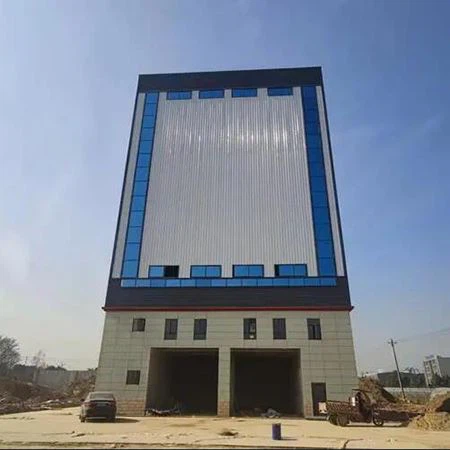

To minimize the impact on land use and habitats, batching plants can be designed to be more compact, using vertical storage systems for raw materials. Reusing and recycling waste materials, such as crushed concrete, can also reduce the need for landfill space. Moreover, companies can engage in habitat restoration projects in the surrounding areas to offset the loss of natural habitats.
Our Solutions: Universal Rmc Plant and Readymix Concrete Plant
At our company, we are committed to providing batching plants that are not only efficient but also environmentally friendly. Our Universal Rmc Plant is designed with the latest technology to minimize environmental impact. It is equipped with state - of - the - art dust collection systems, water treatment facilities, and noise - reducing enclosures.
Our readymix concrete plant also adheres to strict environmental standards. We focus on optimizing the use of resources, reducing emissions, and minimizing waste. By investing in our batching plants, construction companies can not only meet their production needs but also contribute to a more sustainable future.
Batching Plant Cost and Environmental Benefits
When considering the Batching Plant Cost, it's important to factor in the long - term environmental benefits. While environmentally friendly batching plants may have a higher initial investment, the savings in terms of reduced environmental fines, lower energy and water consumption, and improved public relations can be significant in the long run.
In conclusion, while batching plants play a vital role in the construction industry, they also have a significant environmental impact. However, with the right technology and management practices, it is possible to minimize these impacts. As a batching plant supplier, we are dedicated to providing solutions that balance the needs of the construction industry with environmental sustainability.
If you are interested in learning more about our batching plants or discussing your specific requirements, we encourage you to reach out to us. Our team of experts is ready to assist you in finding the most suitable and environmentally friendly solution for your construction projects.
References
- "Environmental Management in the Concrete Industry" by the World Business Council for Sustainable Development.
- "Air Pollution Control Technology for Concrete Batching Plants" published by the Environmental Protection Agency.
- "Water Management in Industrial Settings: A Guide for Batching Plants" from the Water Resources Research Institute.