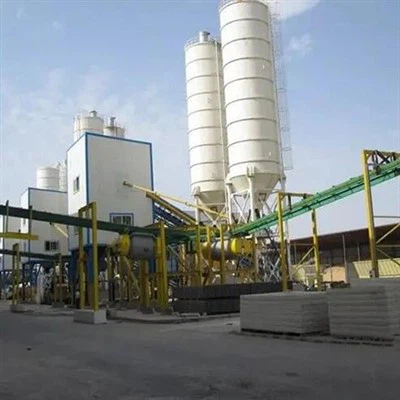
As a reputable batching plant supplier, I often encounter inquiries regarding the earthquake resistance of our batching plants. This topic is of paramount importance, especially in regions prone to seismic activities. In this blog post, I will delve into the concept of earthquake resistance in batching plants, exploring the factors that contribute to it and how we design and manufacture our plants to withstand seismic forces.
Understanding Earthquake Resistance in Batching Plants
Earthquake resistance refers to the ability of a structure to withstand the forces generated by an earthquake without suffering significant damage or collapse. In the context of batching plants, earthquake resistance is crucial to ensure the safety of the equipment, the operators, and the surrounding environment. A batching plant that can withstand seismic forces can continue to operate after an earthquake, minimizing downtime and ensuring the continuity of construction projects.
Several factors contribute to the earthquake resistance of a batching plant. These include the design of the plant, the materials used in its construction, and the installation and maintenance practices. Let's take a closer look at each of these factors.
Design Considerations
The design of a batching plant plays a critical role in its earthquake resistance. A well-designed plant will have a robust structural framework that can distribute the seismic forces evenly throughout the structure. This helps to prevent localized stress concentrations that can lead to structural failure.
One of the key design features of an earthquake-resistant batching plant is the use of a modular design. Modular plants are constructed using prefabricated components that are bolted together on-site. This design allows for easy installation and maintenance, and it also provides greater flexibility in terms of plant layout and configuration. Modular plants can be designed to withstand specific seismic loads based on the location of the plant and the seismic activity in the area.
Another important design consideration is the use of seismic isolation devices. These devices are installed between the plant and its foundation to reduce the transfer of seismic forces to the structure. Seismic isolation devices work by absorbing and dissipating the energy generated by an earthquake, thereby protecting the plant from damage.
Material Selection
The materials used in the construction of a batching plant also have a significant impact on its earthquake resistance. High-quality materials that are strong, durable, and resistant to corrosion are essential for ensuring the long-term performance of the plant.
Steel is one of the most commonly used materials in the construction of batching plants. It is strong, lightweight, and has excellent ductility, which means it can deform without breaking under seismic loads. Steel structures can be designed to withstand high levels of stress and can be easily repaired if damaged.
Concrete is another important material used in batching plants. It is used for the foundation and the structural components of the plant. High-strength concrete with a low water-cement ratio is preferred for earthquake-resistant construction. Concrete can be reinforced with steel bars or fibers to improve its strength and ductility.
Installation and Maintenance
Proper installation and maintenance are essential for ensuring the earthquake resistance of a batching plant. During the installation process, it is important to follow the manufacturer's instructions carefully and to ensure that the plant is installed on a stable and level foundation. The foundation should be designed to withstand the seismic loads expected in the area.
Regular maintenance is also crucial for keeping the batching plant in good condition and ensuring its earthquake resistance. This includes inspecting the plant for signs of damage or wear, checking the structural integrity of the components, and performing any necessary repairs or replacements.
Our Earthquake-Resistant Batching Plants
At our company, we are committed to providing our customers with high-quality batching plants that are designed to withstand seismic forces. Our plants are engineered using the latest technologies and materials to ensure maximum earthquake resistance.
We offer a wide range of batching plants, including Compact Concrete Plant, 240m³/H automatic concrete batching plant, and Concreting Plants For Transporting Concrete. Our plants are modular in design, which allows for easy installation and customization. They are also equipped with seismic isolation devices to reduce the transfer of seismic forces to the structure.
In addition to our standard batching plants, we also offer customized solutions to meet the specific needs of our customers. Our team of experienced engineers can work with you to design a batching plant that is tailored to your requirements and the seismic conditions in your area.
Contact Us for More Information
If you are interested in learning more about our earthquake-resistant batching plants or if you have any questions or concerns, please do not hesitate to contact us. Our team of experts is available to provide you with detailed information and to assist you in selecting the right batching plant for your project.
We understand that the safety and reliability of your batching plant are of utmost importance. That's why we are committed to providing you with the highest quality products and services. Contact us today to start the conversation and let us help you find the perfect batching plant solution for your needs.


References
- Building Seismic Safety Council. (2023). NEHRP Recommended Provisions for Seismic Regulations for New Buildings and Other Structures.
- International Building Code. (2022). International Code Council.
- Concrete Reinforcing Steel Institute. (2023). Design Guide for Seismic Reinforcement of Concrete Structures.